November Diary 1

November 3: Paths beckon in sere November, when the bones of things begin to show and the light slants and shortens.

November 5: Frost overnight, roofs and grass sparkling pink at sunrise: a few hours later, a garter snake on the path through Wild Goose Woods, unexpected.
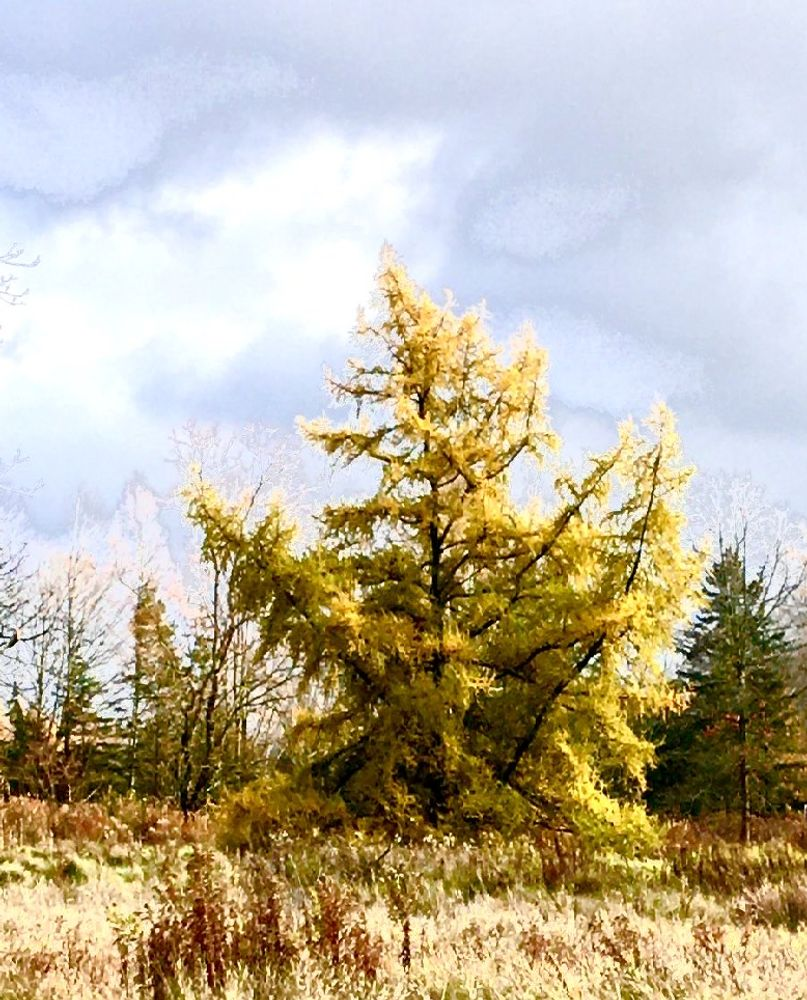
November 8

A larch glowed in the fleeting November sun. Close to where I stood, eastern bluebirds flitted from tree to tree, their breasts the colour of autumn oak leaves, their backs and heads refracting the sky, as mercurial as the day.

November 10

Wild Goose pond was still, no ripple of beaver or muskrat or mink, no green heron stalking its edges or mallard leisurely gliding. Above me, the cacophony of a flock of starlings, like a hundred keys turning in rusty locks. Quiet water, loud air.
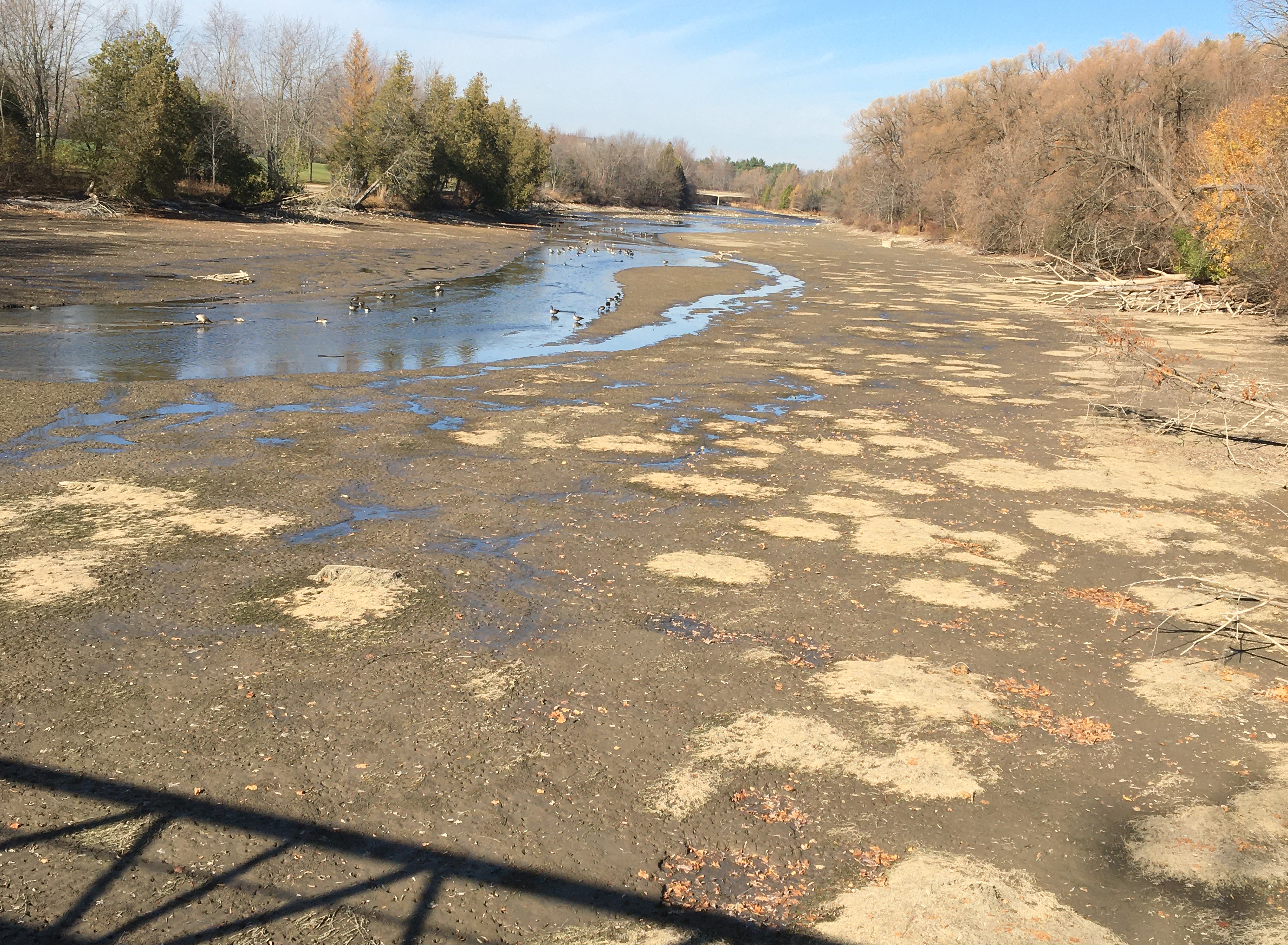
November 11

The dam on the Speed is out. Among the rocks and debris scattered in the mud of the river channel, mallards feed. One, in flight, drops diagonally to the water, its descending quacks mirroring its trajectory. By the footbridge, a blue heron stands on one leg, head tucked, motionless, prehistoric, more like a shaggy, shedding tree than a bird.

On the wooded east bank path, a red squirrel is a quivering embodiment of frustration, frantic, angry. It circles and chatters, whipping up and down a cedar’s trunk, returning to a hole to thrust its head in. My approach scares it off. I stand, watching. An eye appears, dark, ringed with pale fur. A nose. A head emerges: another red squirrel. It slides out, glances around, slips down the trunk and away. What disagreement, what trespass, did I disturb?

Spring, Week V

Rain, this morning, staccato against the skylight. Outside the water puddles in every low spot, overflowing to gurgle into drains. It’s been a week of contrasts and extremes. After the heatwave only a few days earlier, the week began with snow. Daffodils lay flat, and violets were edged with frost like sugar crystals. By Thursday, it was sunny and warm again, the snow long gone.

Over the river, one barn swallow hunted sparse insects alongside the tree swallows. The ospreys are all on their nests, and Canada geese hiss and snap at anyone who comes too close to their brooding partner.  Regardless of the vagaries of temperature and precipitation which my aging human sensibilities object to, the imperatives of spring continue. Reproduction is all, if enough food can be found to sustain life. If enough places remain to provide that food and nesting habitat.

Image by Brigitte Werner from Pixabay 

I sat at a picnic table on the university campus yesterday in 18C sunshine, listening to a cardinal sing from the Norway spruces.  Forty-five years ago, in my first year as an undergraduate at this particular university, I was doing the same.  The cardinal I was listening to then was a forefather of this one by at least fifteen generations, given the average length of a wild cardinal’s life. Little has changed in this spot, although slowly across the entire campus open ground—research plots and gardens and greens, old barns with open courtyards, old fields—has gradually been paved over, or built upon: more student housing, more parking lots, more teaching and research facilities, more sports fields. More land leased for private development, offices and retail. Even the Arboretum loses ground (literally) to research buildings and parking and managed plots. I doubt the cardinal notices, nor will the development affect it or its descendants much. Cardinals like gardens and shrubs and feeders.

But a huge swath of land once leased research ground will become housing in the next five years, and the woods and old fields and riverine habitat on either side of it will be under greater pressure, not just from a greater number of people (and dogs, and roaming cats) but from a desire for more sports fields and playgrounds rather than unkempt and wilder land. Already meadowlarks are sparse, and the sparrows and warblers that need scrubby grassland habitat.

My sense already this spring is that the birds are fewer; it’s my sense every spring now, and I think a valid one for most species. I can rejoice in ravens and sandhill cranes and bluebirds, and the ospreys and bald eagles—but the small birds of woodland and hedgerow and understory are largely disappearing. It’s not all recent; it’s not all climate change or pesticide use or avian viruses or fatal building collisions, but all contribute.

I’m noticing a reluctance to go walking some days, to be confronted by the sparsity of birds, and by woods and fields far too quiet—or disrupted by the sound of chainsaws and diggers. But—almost equally—I know I should, for a myriad of reasons that include bearing witness to what is being lost and appreciating what remains. The cardinal still sings.

Spring, Week IV

I wish I had the tiniest bit of musical intelligence, but I am as tin-eared as they come. I listen and listen: is that a pine warbler?  I’m in the right place, the remnant stand of white pines at the north end of Victoria woods. The bird is high in the tree’s dense foliage, and I can’t find it.

I lower the binoculars to plug my earbuds into my iphone and ears, and compare: pine warbler and chipping sparrow. I play the two buzzy songs over and over, trying to discern the difference.  Maybe the pine warbler ‘purrs’ a little more than the chippy. I free the earbuds, turn off the birding app, listen again. I think it’s the warbler.

As I walk around the Arboretum, there are lots of chipping sparrows singing, and I grow more convinced of my warbler identification. I’m not the only one noting the chipping sparrows preparing to mate and lay eggs: high in another tree, brown-headed cowbirds are mating. Brood parasites, they’ll lay eggs in a number of smaller birds’s nests, but here the chipping sparrows are probably their most frequent victim, a self-fulfilling cycle. The female cowbirds not only return to the area they were hatched, but will tend to lay eggs in the nests of the species that raised them.

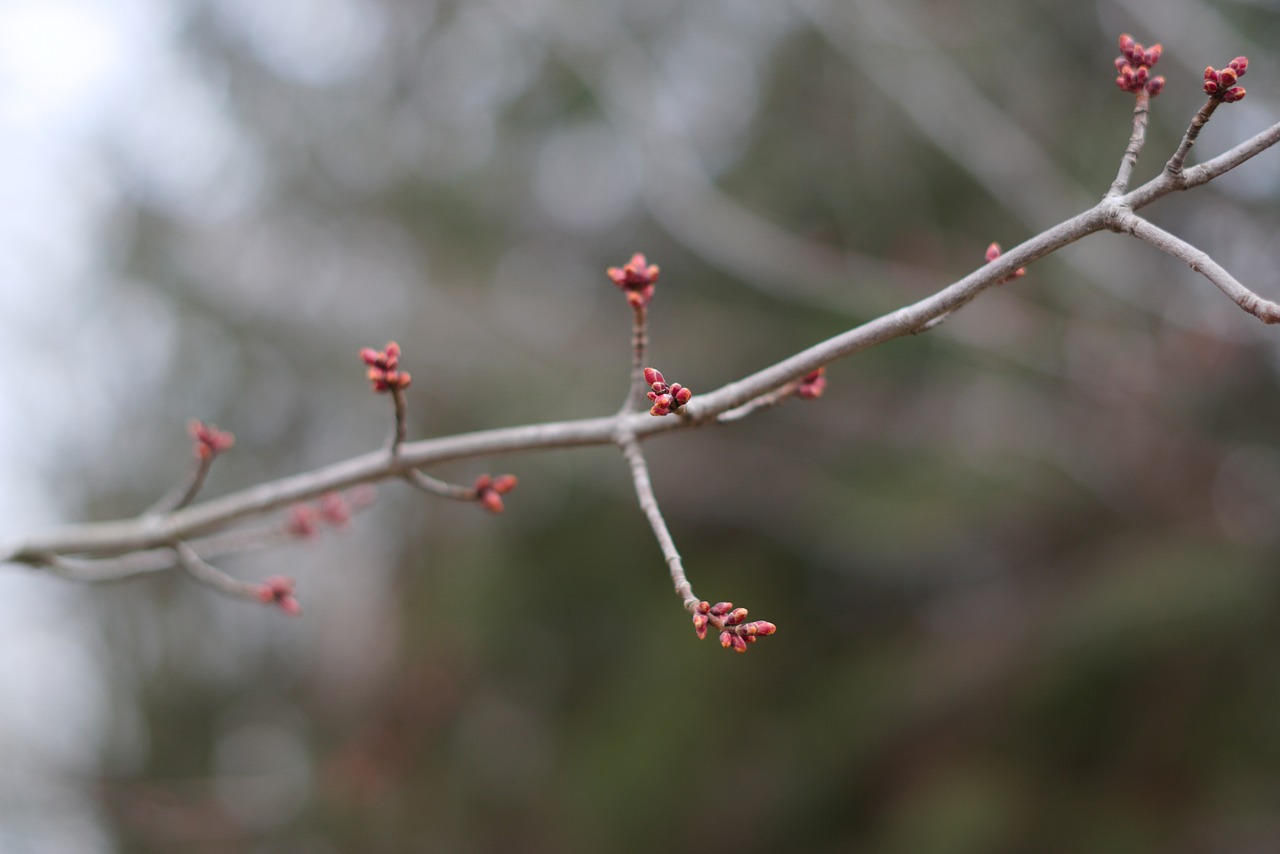
It’s quiet, this early on a Sunday morning. This week’s unseasonable heatwave is pushing trees and shrubs into leaf quickly; the lattice of branches against the sky shading to gold and red with catkins and maple buds. Snakes are out, rustling the leaf litter as they glide away from the vibrations of my footsteps.

Image by Johnny Gunn from Pixabay 

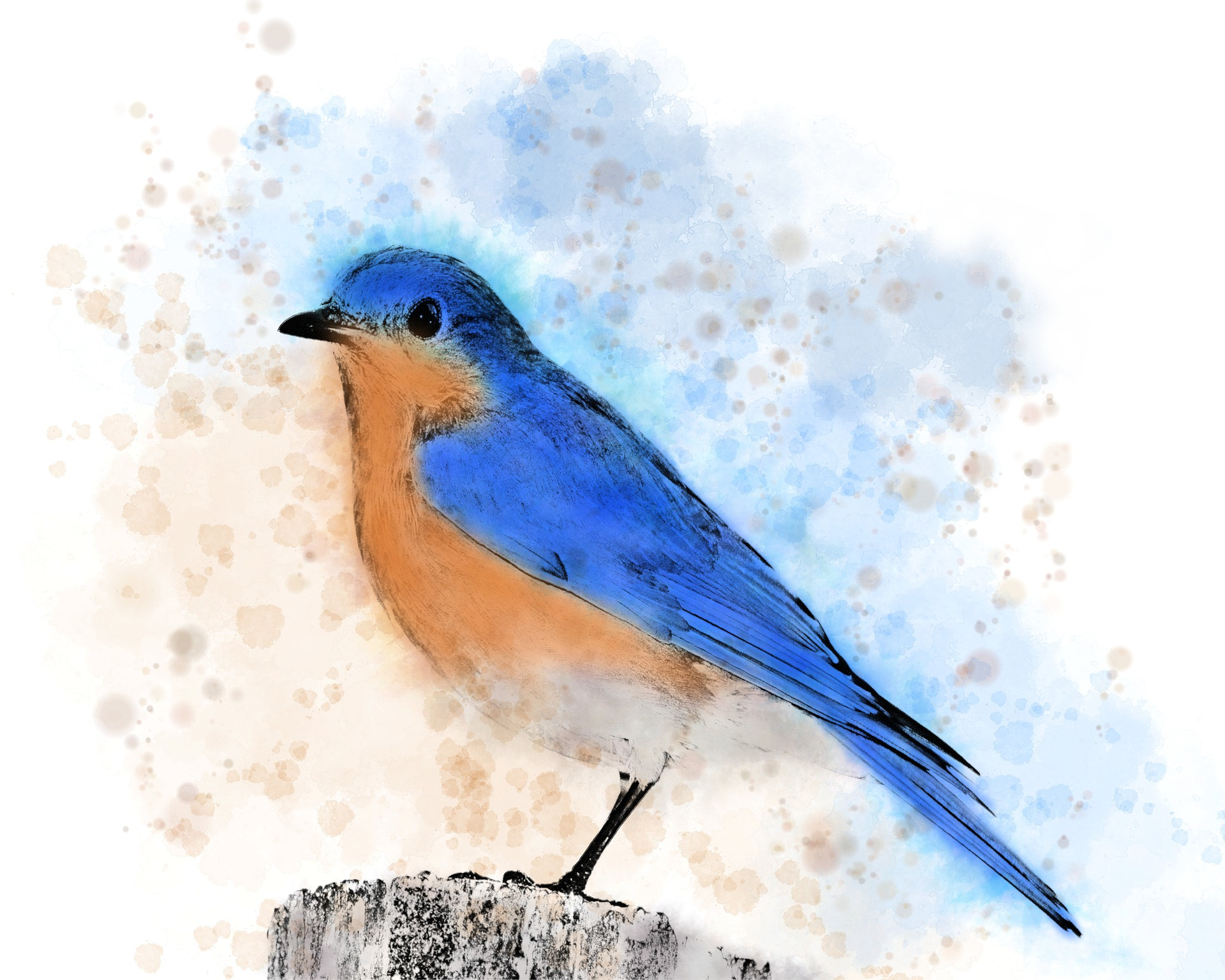
The tree swallows are back, chattering and swooping over the old field where the nestboxes are. They take most of these boxes, with house wrens nesting in a couple on the periphery of the cluster, and a bluebird pair or two mixed in with the swallows. There’s always a frisson of pleasure on seeing the bluebirds, even though they raise broods every year; not just for their inherent beauty, but because they’re a rare success story of a threatened bird brought back to a healthy population by a combination of intelligent human intervention and their own nesting strategy. Birds that cavity-nest will, for the most part, adapt to nest boxes. Grassland ground nesters—meadowlarks and bobolinks, to name just two—cannot, and so continue their steady decline.

The maple swamp is full of phoebes and tree creepers and resounding with the drumming and calls  of several species of woodpeckers: downy, red-bellied, pileated. A pair of Canada geese are nesting on a hummock of soil pushed up by a fallen tree. A pair nest here every year; every year, the mink takes the eggs. The wood ducks who nest in hollow trees above the swamp may do better, although I suspect the mink likes ducklings too.

In the drier woods, the bloodroot blossoms are still tightly furled, waiting for the sun to reach the forest floor. Marsh marigold’s round leaves are emerging in the marsh, but no buds yet. The stand of beeches ahead of me hosts a convention of conversational crows. I stop to listen, but it’s just chatter, perhaps about my presence, or the dog walkers out on the wide central path. I can’t distinguish a chipping sparrow from a pine warbler, but I’m pretty good at crow!

Spring, Week III

Image by Brigitte Werner from Pixabay 

Winter birds are still here; spring ones are arriving. Somewhere between thirty and a hundred Bohemian waxwings can be found on the university campus most days, along the laneways between the research glasshouses and the cattle barn and stables, gorging themselves on winter-sweet crab apples. There are cedar waxwings mixed in, and always a few starlings and robins taking advantage of the bounty too. Disturbed, they fly up into the line of Norway spruce that wind-shelter the glasshouses, looking, in their dun and rufous and yellow shades, like a memory of autumn in bird form, but the fruit is too tempting: they’re back down in a minute.

On the ponds east and west of the city, at the old provincial jail and redhead and goldeneye, bufflehead, ring-necked duck and hooded merganser are resting and feeding, and if you’re there early enough in the morning, there’s usually a loon that came in for the night. Here it’s all about contrast, at least in the males: dark shades of green and blue-purple and auburn against white, sharp and bright. See how strong I am, and what good genes I have, is the message: beauty to human eyes is a coincidence. But beauty there is.

Victoria Woods this week is still all duns and greys: tree trunks and dark water, winter-bleached leaf litter and rock. Only the bright green of moss patches brightens the forest floor. But at the pond, I flushed two pairs of wood ducks, a glimpse of colour. They’ll stay, nesting in hollows in the trees that overhang the water. At the edge of the wood, phoebes are calling, always the first of the flycatchers to return. Their high fee-beee, fee-beee is a sharp, welcome sound in the cold air.

Image by Oberholster Venita from Pixabay

Snowmelt and rain mean the rivers are high and the ground is saturated, ephemeral ponds covering paths. There are few ducks at the river confluence: why use energy fighting the currents when there are plenty of still ponds to be found? The water bubbles and splashes over the rocks and weirs by the mill ruins: a good dipper stream, my mind says, even though I’m on the wrong side of the Atlantic. A flash of blue streaks across the stream: a kingfisher.

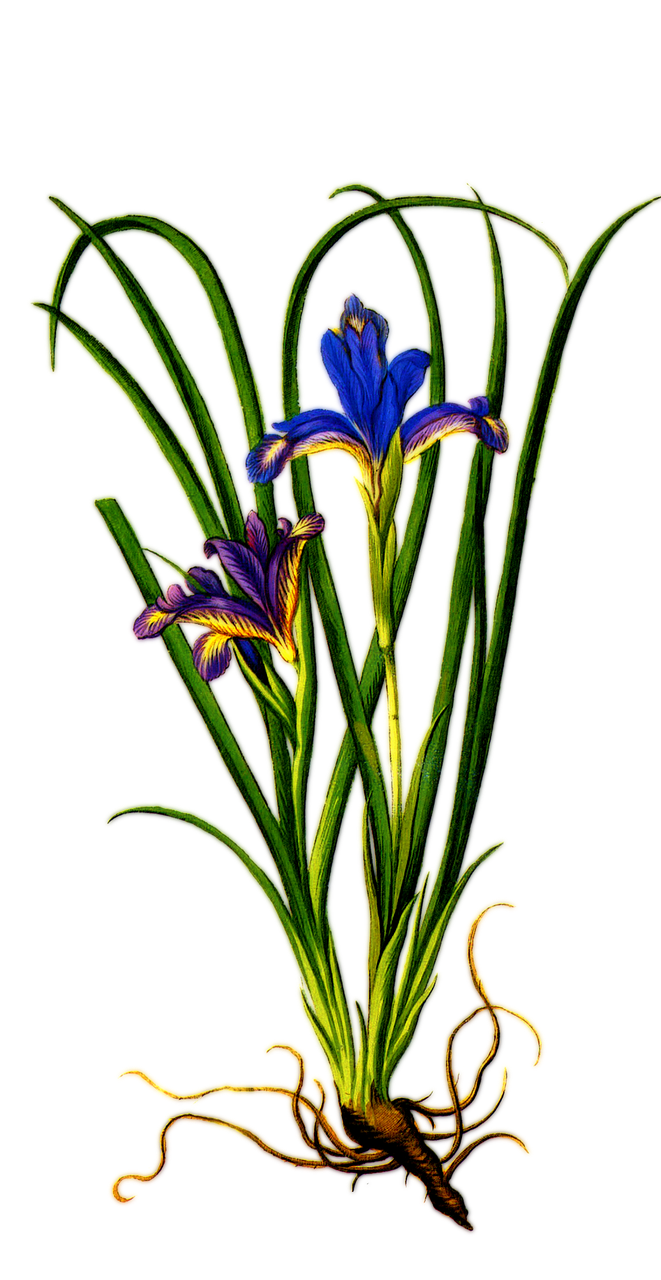
There’s still frost in the mornings: -5C today at 7 am. But there is real warmth in the sun now, and so the ice melts quickly. The first of the species iris is in flower in the front garden, narrow deep purple petals with yellow at the heart. We’re promised temperatures in the high double-digits next week, and if so, spring will pop. Buds will swell, coltsfoot will bloom, and more birds will move north. But cold, fast moving water also means blackfly, the bane of my springs. Perhaps I’ll have a few more days without them.

Spring, Week II

The world this morning was freshly washed, yesterday’s rain blown away by strong winds, leaving a brilliantly blue sky and air with the clarity of the oceanside. Where yesterday was freezing rain followed by dismal drizzle, temperatures hovering near freezing, everything the grey of concrete, today was birdsong and 8C, and by the time I’d walked the 4 km downtown I was too hot.

The rivers are high and fast, higher than I’ve seen them for some years, and other than Canada geese and mallards there were no birds at the confluence. I grew tired waiting for spring this week: growing up as far south as you can get in Canada, my internal seasonal clock still expects it to be well on its way by the end of March. This year, too, returning from England mid-March, having already experienced the first flush of spring, I was doubly confused. So I cheated, and drove the two-and-a-bit hours down to Long Point, on Lake Erie, with two goals in mind: sandhill cranes, and tundra swans. Anything else would be a bonus.

Cranes, as I’ve written before, are birds that always make me stop in wonder, from the first I saw in a Texas dawn, to the uncountable thousands on the Platte in March; the multiple, magnificent species on the Yangtze in winter, the birds coming in at dusk to an Australian pond, or the breeding pairs foraging in the English fens. Sandhills, so long gone from southern Ontario and now returning in greater numbers every year, are one of the (sadly) few success stories of conservation. They give me hope.

I found the sandhills by sound: the field they’d been in last year wasn’t corn stubble this year. But I pulled over, turned off the car, and opened the windows. The haunting, warbling calls came from a bit further west. It only took a few minutes to find them.

I sat and watched and listened for about half an hour, watching the cranes feeding in small groups, almost always three close together—parents and last year’s chick. Every so often one would raise its red-capped head and bugle, and then another, the sound uncanny in the light fog hanging over the fields.

A single pair of tundra swans flew low over the fields, just at the limit of my vision in the fog. Time to see if there were more. I drove down the Long Point causeway; the fog thickened as I got further out on the sandspit with open water on one side and marsh on the other. No swans that I could see, but I couldn’t see, except a few meters out into the bay. I’d have to go inland.

I was a couple of weeks late for the huge flocks, but I found enough to make me happy, to reset my internal clock to say, yes, it’s late March, yes, it’s spring. I know what to expect now; my brain is firmly back in Ontario.

And now it’s April, and the sun is shining and the first of my daffodils in the front garden is budding.

The First Week of Spring

Spring may be here, but it’s dancing with us: one of those dances where it’s one step forward and one back. We’ve had days of sun and relative warmth, and days of sleet and snow flurries and a temperature hovering around freezing. Blue skies and grey, and on the ponds the ice melts a little, then freezes again, then melts a little.

A line of crabapples near one of the village ponds has been discovered by the robins. The winter-cured fruit is a deep purple-red, its sugars concentrated in the desiccated flesh. The robins love it. So do the starlings, whose starred plumage of winter is just beginning to show the iridescence of summer. On the nearby feeders, male goldfinches too are moulting, black and yellow replacing dun.

Where the snow has melted back from the field edges killdeer forage; I hear them before seeing them, their high, onomatopoeic call audible even from inside the car. At the confluence of the two rivers that shape my city, a lone male common merganser is grooming itself, twisting and splashing, ignoring the mallards and Canada geese and ring billed gulls surrounding it.  Later a single male bufflehead arrows in.

At the Arboretum there are bluebirds, always an early migrant, one song sparrow—and overhead, three tundra swans, brilliantly white against the blue sky. We’re not on their main flyway here, but every year a few come through; tundras, and more and more trumpeters every year, a reintroduction success.

Outside the city, blue piping festoons stands of maple, and even on urban lawns trees have been tapped. The light lengthens, and in xylem and blood and earth, sap and hormones and the green spears of the first bulbs rise.

Equinoctial Thoughts

I left spring behind in England, missing the reported return of chiff-chaffs to Norfolk by two days. I’d heard of other migrants arriving—stone curlew to a secret site, for one—at the same time the last of the winter redwings were leaving, heading north. The blackthorn was in full flower, the local woods were full of primroses between the stiff green stalks of bluebells poking through the leaf litter, and the wood pigeons were courting in the garden.


Outside my window there is freshly fallen snow, on top of the several centimeters already on the ground. Tomorrow is the first official day of spring, and the forecast is for warmer weather, but also for more snow, falling in the cold nights.


But I will have a year of two springs. Already the turkey vultures are back, and the hooded mergansers; red-winged blackbirds buzz in the swamps and flocks of tundra swans whiten corn stubble fields a little further south and west. Sap is rising; maple syrup is being made.


Over the nine weeks I was in England I watched the field across the road go from stubble to fresh-ploughed soil, gulls and rooks following the tractor, to the hazy green of an emerging cereal. The belt of trees up on the hill changed colour subtly, the dull grey of winter overlaid with the golds and pinks and greens of swelling buds. The blackbirds and robins began singing earlier every day, and continued later.


It’s harder here in my suburban bungalow to watch the gradual shift into spring than it was in my edge-of-village house in England. But I intend to return to paying attention this year. Almost fifty years ago, the first serious writing I did was a journal of the coming of spring to my southern Ontario home, a project sadly interrupted by mononucleosis and a month of exhaustion. That too was from an edge-of-village, mostly rural setting. But I have easy access to woods and fields, rivers and parkland, and little excuse not to observe and record. A.E. Houseman wrote:

Now, of my threescore years and ten,
Twenty will not come again,
And take from seventy springs a score,
It only leaves me fifty more.

And since to look at things in bloom
Fifty springs are little room,
About the woodlands I will go
To see the cherry hung with snow.

A Shropshire Lad

Of my threescore years and ten, sixty-five will not come again. So I shall go look at things in bloom, and listen to birdsong, and watch the gradual transformation of a winter world.

Image by Noma Lotern from Pixabay 

Elemental Norfolk

I wrote this poem a number of years ago, after we started spending a couple of weeks over the turn of the year in England. It was one of my first published works.

Earth

Lane and common, heath and ploughed ground

Lie frozen underfoot. The lands

Decline to the sea: downland and saltmarsh

Diked and ditched by countless hands

Against the sea and winter floods.

Beyond the marshes, the named sands

Will rise and fall with the tide.

Air

Skiff and windpump, sails of cloth and wood,

Are battened down and still. The gust

Strikes salt and icy; harness and rigging,

Tarred and treated for rot and rust,

Await the end of winter’s gales.

Above the marshes, the wind’s cold blast

Will rise and fall with the sun.

Fire

House and cottage, farm and village row

Sit tightly closed and warm. Fire

Kindles in the hearths; desire and habit

Pruned and piled the garden pyre

Against the night and winter’s end.

Beside the marshes, the year’s bonfire

Will rise and fall with the wind.

Water

Stream and river, pond and open broad,

Wait silently for spring. The snow

Bleaches all colour; hedgerow and reedbed,

Trimmed and tight in winter’s throe,

Withstand the wind and killing frost.

Within the marshes, the water’s flow

Will rise and fall with the moon.

© Marian L Thorpe

Image: John Crome, Moonlight on the Yare, Public domain, via Wikimedia Commons. Original in the National Gallery, London.

Solstice Sacrifice

Image by Albrecht Fietz from Pixabay 

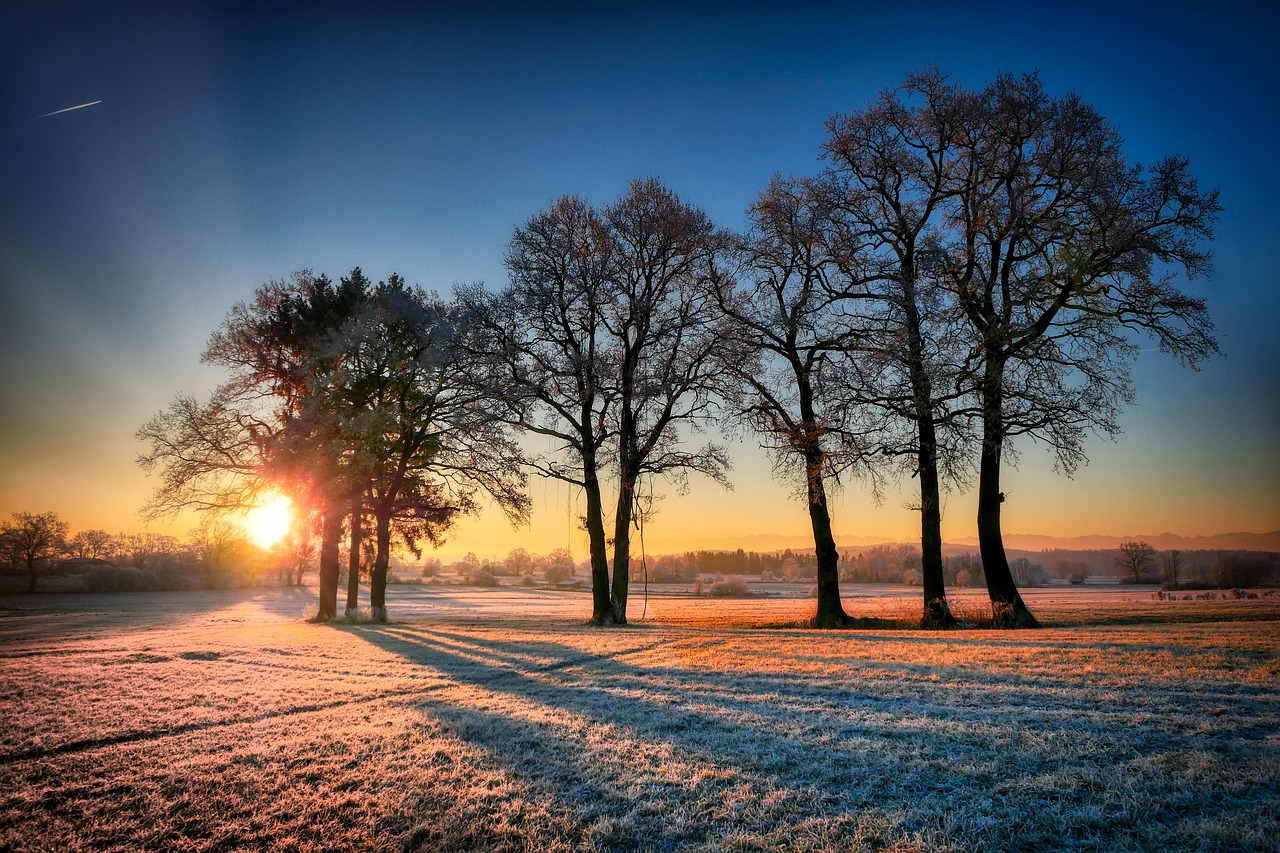
The woods were quiet, the first full day of winter. The occasional chickadee, mourning doves flying over. A grey day, no sun, and only the red of berries and dogwood stems to alleviate the greys and brown of wood and field.

And then another splash of red: blood, on the snow beside the path. I crouched to look. A squirrel, I think. Blood, and tufts of fur wavering in the light breeze, caught by crystals of ice. And a neat pile of guts. Nothing else. A fresh kill, not more than an hour or two old.

The path was tamped down by many feet, and the softer snow at the wood’s edge pocked with the tracks of dogs. In the grey light there were no shadows to give shape and depth to a set of prints leading away into the trees. No drops of blood or the marks left by dragged prey, either. Nor were there wing marks to suggest an owl or hawk, and the neat evisceration made that unlikely to my mind. There were, simply, not enough clues for my small store of woodcraft. Weasel, mink, fox, coyote—all these were candidates. I took a photo or two, and kept walking.

At home I turned to my computer for research. An hour later, I more-or-less had consensus, from the style of the kill, that the predator was a member of the Mustelidae – a weasel or mink. Both were possible: I’d seen a weasel only days before, and a mink shares the pond in Wild Goose Woods with the resident beaver. A pond that, as a mink moves, was perhaps 600 metres away.  

Today the woods and fields are in the grip of a blizzard, and mink and squirrels both are likely denned and quiet, conserving energy, the mink curled in its underground den, the squirrels in hollow trees. Fresh snow has covered the kill site. When I walk there again, after this storm has blown itself out in a day or two, there will be no sign of it.  

A predator taking prey is an everyday occurrence, repeated in one form or another multiple times across these 400 acres of semi-wild land where I walk and think and observe. Only the human need for pattern and meaning, for significance, made me see it, on the first day after the longest night, as a solstice sacrifice.

Winter Encounter

I woke today with a strong need to be out-of-doors, after yesterday’s freezing rain and snow kept me in. I wanted fields and trees, not concrete and houses. By 8:30 I was at the Arboretum.

The temperature hovered just around freezing: just above, because trees dripped water and the snow was slush in most places. I took the path through Wild Goose Woods, stopping often to listen: silence. Far in the distance crows called, and a V of Canada geese honked their way to feed in stubble fields somewhere to the south, but the woods themselves were quiet. No chickadees or nuthatches, not even a woodpecker.

The path was free of human footprints, but a fox had used it, not too much earlier from the crispness of the prints in the snow. Squirrel tracks crossed it here and there. I took the wide path to the beaver pond. So had the beaver, sometime in the night, from its trail, but there was no sign of it – or the mink that likes this place too– at the pond. I waited for a while, hoping for ripples in the patch of open water, but it stayed smooth. I moved on before my feet grew cold.

Out into the old field, and along the ecotone between woods and field. Still no human footprints, but a coyote – or two – had passed this way: I can’t tell coyote prints from dog, but coyote scat is usually distinctive, and this one had eaten a fair bit of fruit. Chickadees called, fast and urgent, from ahead of me: I wondered if they had found a small owl, but their behaviour didn’t back that up. They weren’t focused on one place, but moving between bushes, feeding, along with a junco and a downy woodpecker.

Far to the east a raven called, the deep gronk unmistakable. I came out through the rhododendron wood onto the wide roads, and people. But not many, and I left them behind as I returned to the paths.

Curving back towards where my car was parked, on a trail through old field and scattered shrubs, I was still birding by ear and looking at tracks in the snow. Because I was looking down, I saw the tiny white head poking out from cover at the edge of the path, the dark eyes in a pointed face, and the quick, fluid turn of the pure white body—and the black tip to its tail. A short-tailed weasel in winter moult.

Kalabaha1969, CC0, via Wikimedia Commons

I walked a few steps, crouched down to see its tiny prints in the snow. I’m sure the man who passed me then had no idea what I was smiling about, the gift just given, the grace granted. A moment and a memory.