Spring, Rewound

When we left the UK on April 11th spring, at least in Norfolk, was well underway. Birds were claiming territories, wrens and chiffchaffs singing and singing. Jackdaws carried nesting material; med gulls clustered in pairs at Snettisham, and the black-tailed godwits had turned their rich chestnut. Buff-tailed bumblebees foraged among blackthorn and Malus flowers, and the yellow flowers of early spring brightened the ground, coltsfoot and dandelions, primroses and cowslips, and in the wetlands, kingscup.

Eight hours on a plane, London to Toronto, and someone’s hit rewind. Not by a lot, this year: spring is early here. On the 21st, as I write this, the first of the ornamental cherries that line our streets are in flower. But the kingscup – or marsh marigold, as it’s called here – in Wild Goose Woods is still in bud, although I expect it to flower this week.
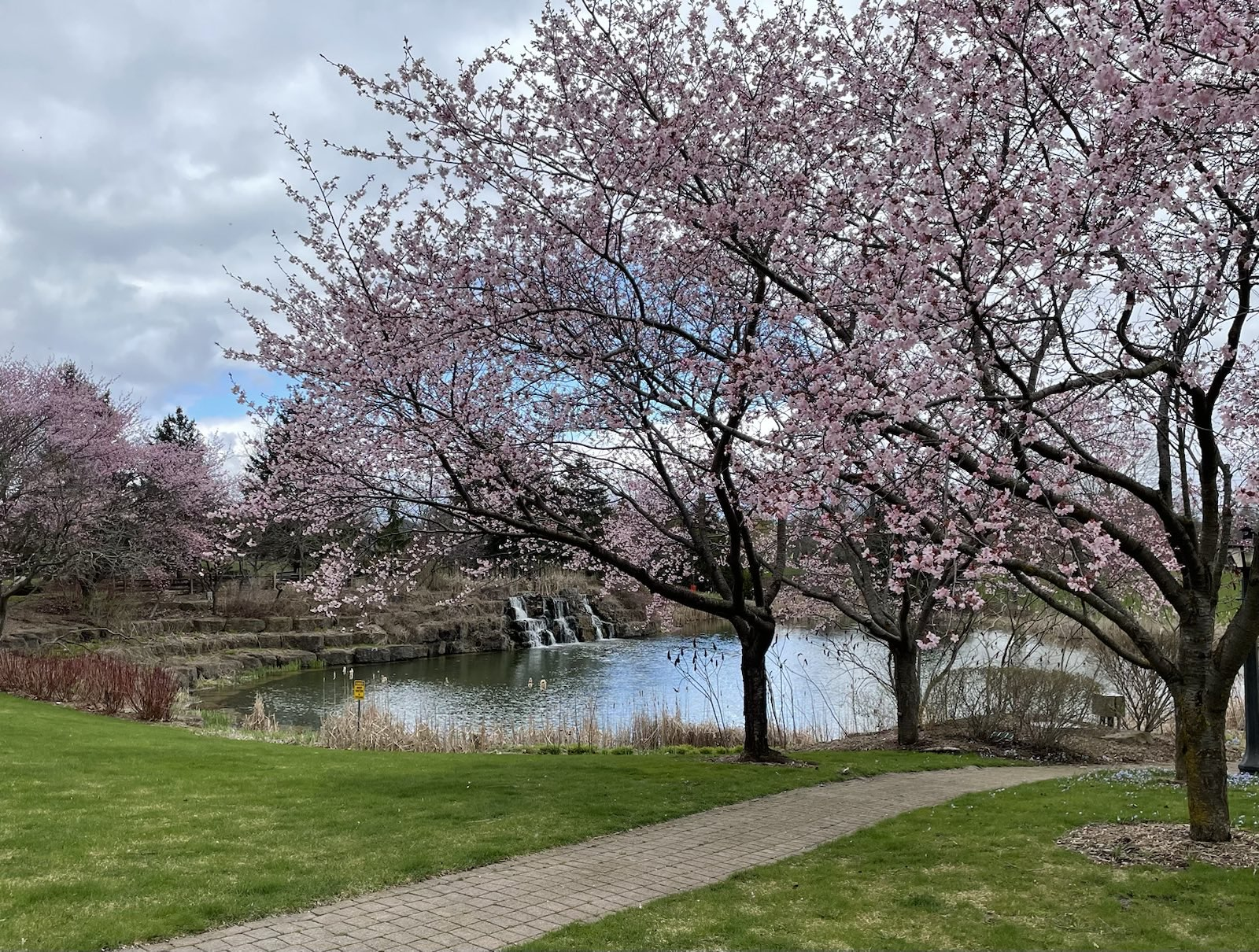
Ornamental cherries, Guelph, April 20. My photo.

I heard my first pine warbler this past week, and saw my first myrtle (yellow-rumped) warbler, watched tree and barn swallows dancing over the Grand River and phoebes flycatching from low branches in the maple swamp. Canada geese are hatching goslings, male goldfinches are moulting into summer plumage, and red admiral butterflies – maybe emerging from hibernation, maybe migratory – fluttered along the path we walked Friday, high above the Eramosa River. Bloodroot now stars the forest floor in Victoria Woods.

Red Admiral (Vanessa atalanta); my photo

Twenty years ago, or perhaps thirty, I used to get impatient for spring here; growing up in Essex County, by mid-April spring was much more advanced. Now, looking at e-Bird checklists for Point Pelee, I’m not seeing the same differences. With a couple of exceptions – blue grey gnatcatcher, common yellowthroat – the returning bird species look pretty much the same.  But a snapshot is misleading: a quick look back through e-Bird records finds a yellow-rumped warbler reported on the 7th of April.

Myrtle (Yellow-rumped) Warbler
(Dendroica coronata coronata), by Cephas, CC BY-SA 3.0 <https://creativecommons.org/licenses/by-sa/3.0&gt;, via Wikimedia Commons

The 7th of April. A yellow-rumped warbler. Some forty years ago or so, we had an Ontario record-early pine warbler – always the first to return – at Long Point on the 6th of April.

I won’t belabour the reasons; we all know them. But I wish I’d never been impatient for spring; I wish my first sight of a yellow-rumped warbler could be one of pure delight, not shadowed by ‘but it’s too early’.

 I wish a rewind was possible.

Ten Days of Spring

March 20: First day of spring, and two magpies in the field beside the track. Two for joy, the verse says. Blackthorn flowering, the hedgerows as white as the gulls following the ploughs. Plant barley when blackthorn flowers, but prepare too for a cold spell, blackthorn winter. There’s no hint of it in the forecast.

Blackthorn in flower. My photo.

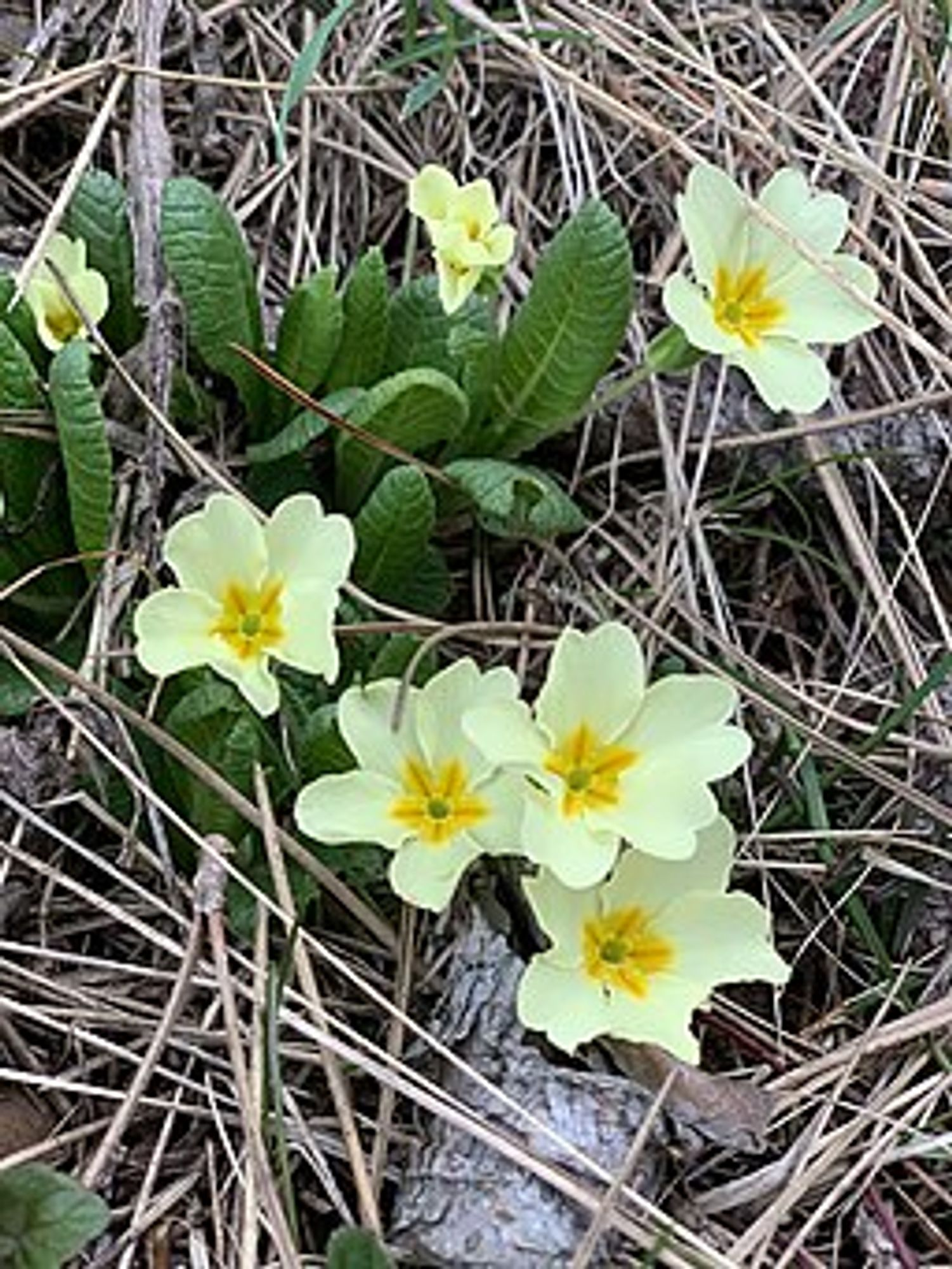
March 21: Today brings primroses, pale yellow against the leaf litter of the woodland, and cowslips in a greening meadow. A fox redder than terra cotta emerges from the hedge, sees us, leaps away, its brush full and the white tip gleaming. Chiff-chaffs see-saw in the bushes every twenty paces or so; dunnocks and robins and wrens sing in the spaces between. Willows are greening; the verges are verdant with alexanders, and the fields ring with pheasant calls, survivors of the winter’s shoots.

Primroses on a forest floor.
Alexandra Kaganova, CC BY 4.0 <https://creativecommons.org/licenses/by/4.0>, via Wikimedia Commons

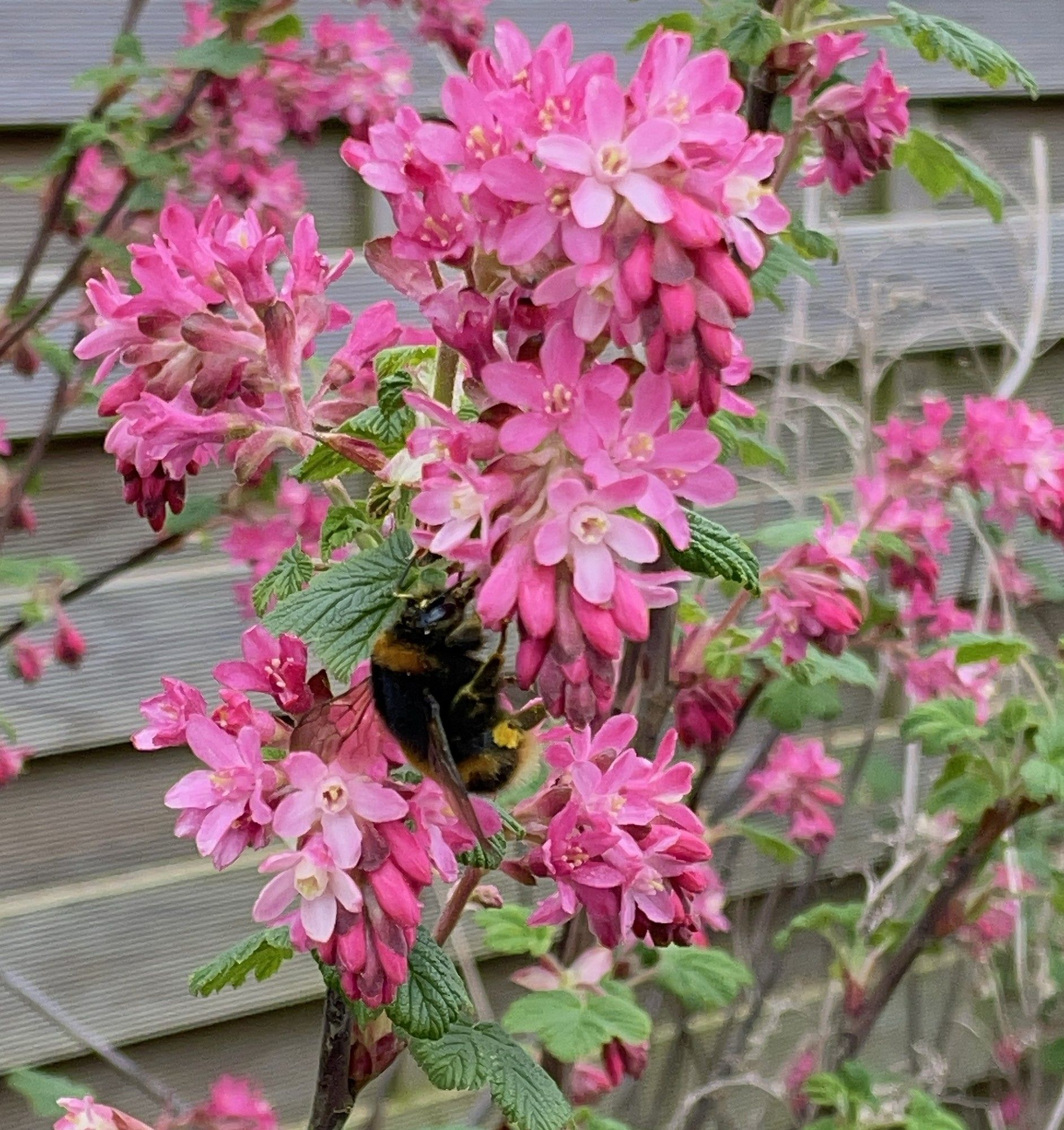
March 22  : Greenfinches buzzing all along the footpath this morning; queen bumblebees out foraging; a wood pigeon on its nest. In the next village, magnolia petals litter the pavement, bruised pink and white.

Buff tailed bumblebee on pink ornamental currant flowers; my picture.

March 23: The world is wind-whipped today, clouds moving southwest in towers of grey; blue sky winking in and out. A jackdaw sails by with nesting material in its beak. Petals from the ornamental prunus in the garden blizzard down.

Image by 3238642 from Pixabay

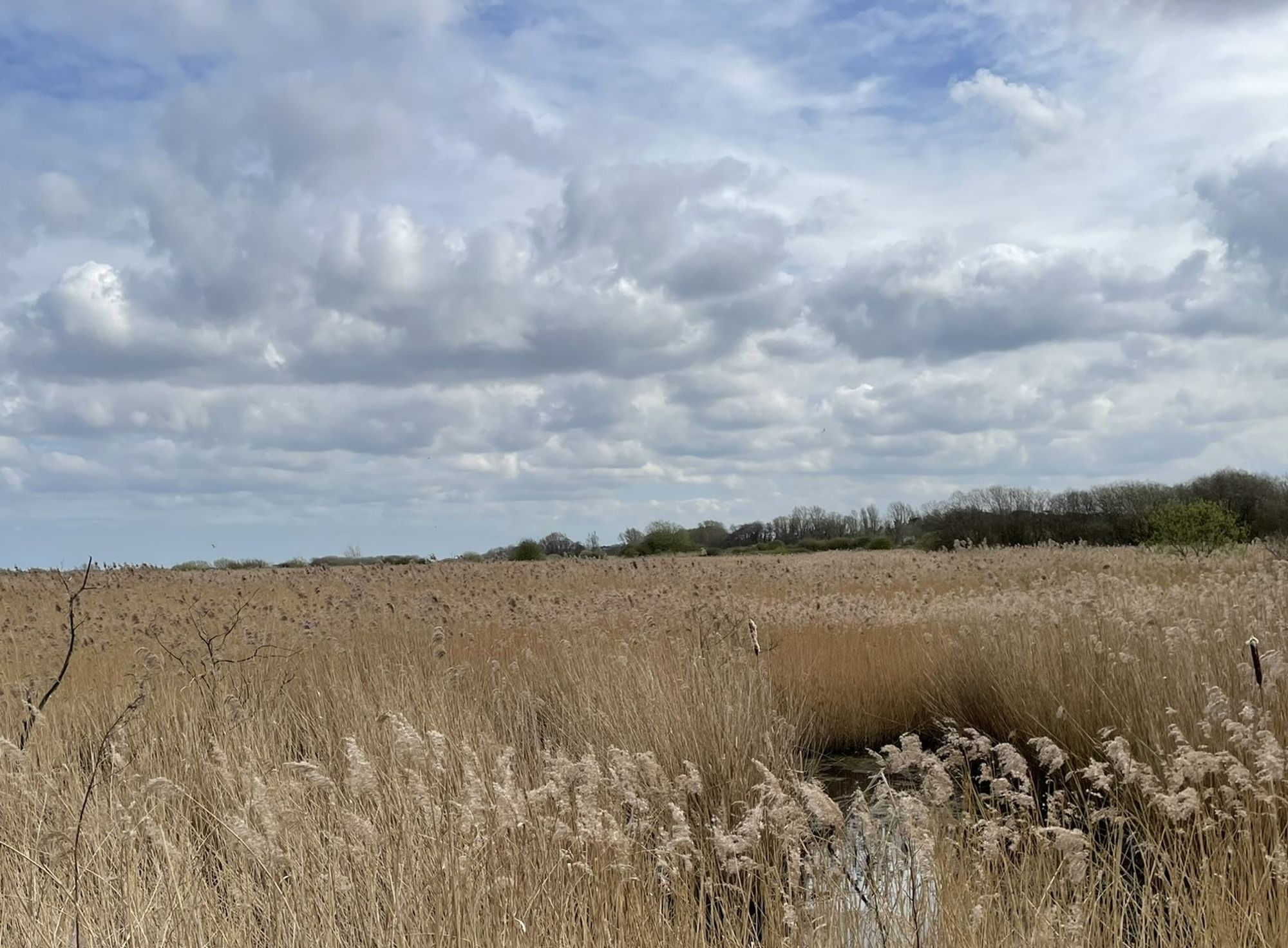
March 25: Marsh harriers drift over the marsh; a blackcap sings in the woods. Brent geese in their evening dress graze the short grass; in the reeds, a Cetti’s warbler staccato song explodes.

Reedbeds under a blue sky half-covered by puffy clouds. (Titchwell RSPB reserve, my photo).

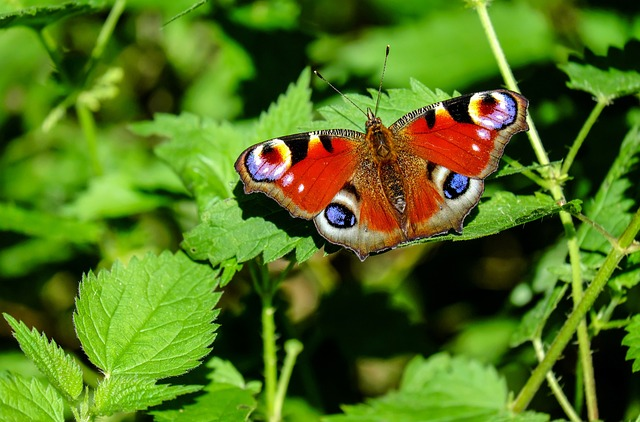
March 26: A continuous chorus today: skylark from the heights; lower, wren & dunnock, robin & chaffinch, blue tit & chiffchaff, late redwings. Bee-loud hedges bright with blossom, hung with butterflies – brimstone, comma, peacock. Buzzards drift in the blue sky.

Image by Couleur from Pixabay

March 27: The train took me to London and back again. In King’s Cross station, pigeons cooed from atop a sign. From the train, swans grazed in the Cambridgeshire fields; rooks carried nesting material; red kites circled. Willows were greener on the afternoon journey than in the morning.

Image by snibl111 from Pixabay

March 28: A nuthatch yelps from high in a bare oak; coal tits tell the world ‘it’s me, it’s me’ from low branches. In the meadow, a jay forages among shelduck and Egyptian geese. A silver squirrel climbs a stump. The larches are bright green with new growth; new leaves unfurl on the brambles.

Photo by: Mmparedes, CC BY-SA 2.5 <https://creativecommons.org/licenses/by-sa/2.5>, via Wikimedia Commons

March 29: Yellowhammers sing from the hedgerows, still white with blackthorn blossom in places. Hares streak across flinty fields or gather in groups in the young wheat. A pair of lapwings circle and cry: will they nest? (Will the nest survive, if they do?) Oystercatchers patrol the furrows; a line of fallow deer crosses the skyline.

Photo by caroline legg, CC BY 2.0 <https://creativecommons.org/licenses/by/2.0>, via Wikimedia Commons

Spring, Week IV

I wish I had the tiniest bit of musical intelligence, but I am as tin-eared as they come. I listen and listen: is that a pine warbler?  I’m in the right place, the remnant stand of white pines at the north end of Victoria woods. The bird is high in the tree’s dense foliage, and I can’t find it.

I lower the binoculars to plug my earbuds into my iphone and ears, and compare: pine warbler and chipping sparrow. I play the two buzzy songs over and over, trying to discern the difference.  Maybe the pine warbler ‘purrs’ a little more than the chippy. I free the earbuds, turn off the birding app, listen again. I think it’s the warbler.

As I walk around the Arboretum, there are lots of chipping sparrows singing, and I grow more convinced of my warbler identification. I’m not the only one noting the chipping sparrows preparing to mate and lay eggs: high in another tree, brown-headed cowbirds are mating. Brood parasites, they’ll lay eggs in a number of smaller birds’s nests, but here the chipping sparrows are probably their most frequent victim, a self-fulfilling cycle. The female cowbirds not only return to the area they were hatched, but will tend to lay eggs in the nests of the species that raised them.

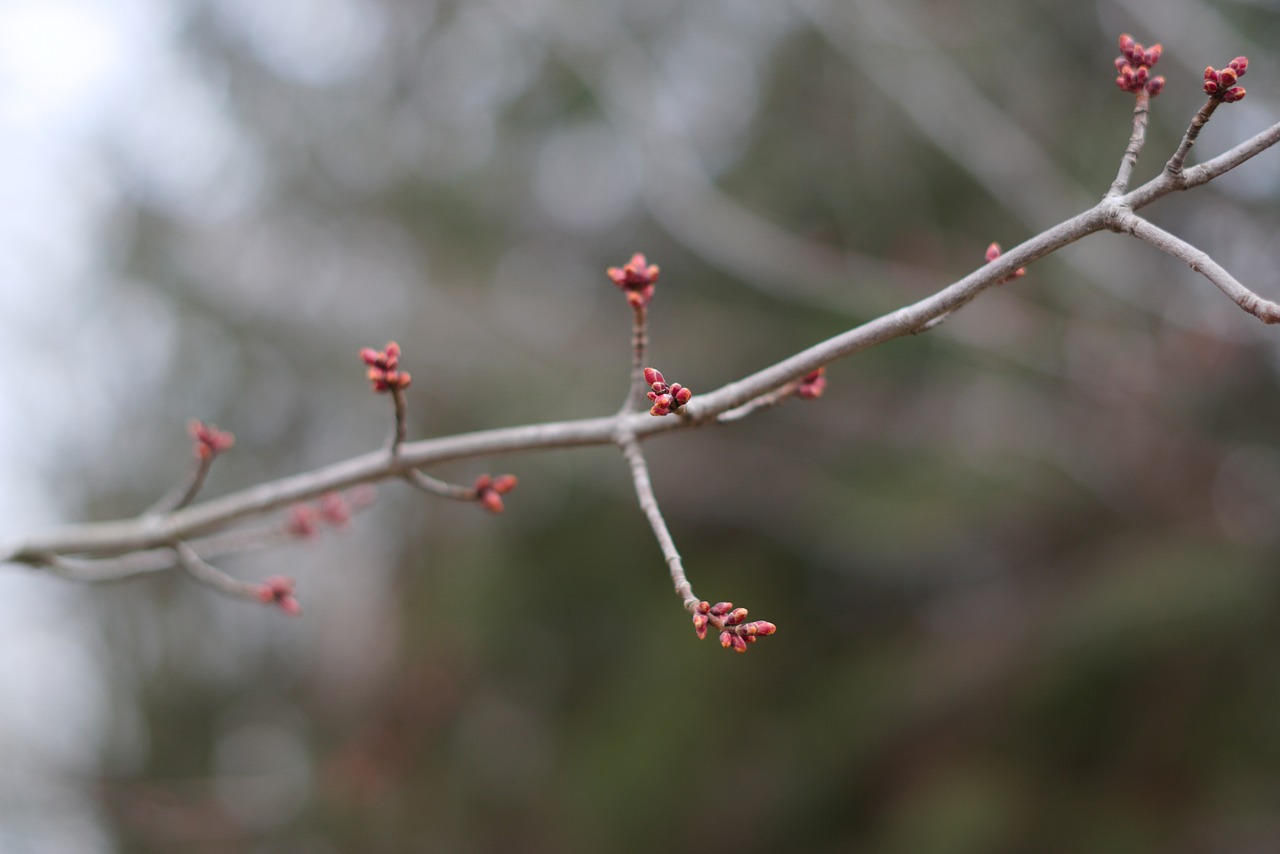
It’s quiet, this early on a Sunday morning. This week’s unseasonable heatwave is pushing trees and shrubs into leaf quickly; the lattice of branches against the sky shading to gold and red with catkins and maple buds. Snakes are out, rustling the leaf litter as they glide away from the vibrations of my footsteps.

Image by Johnny Gunn from Pixabay 

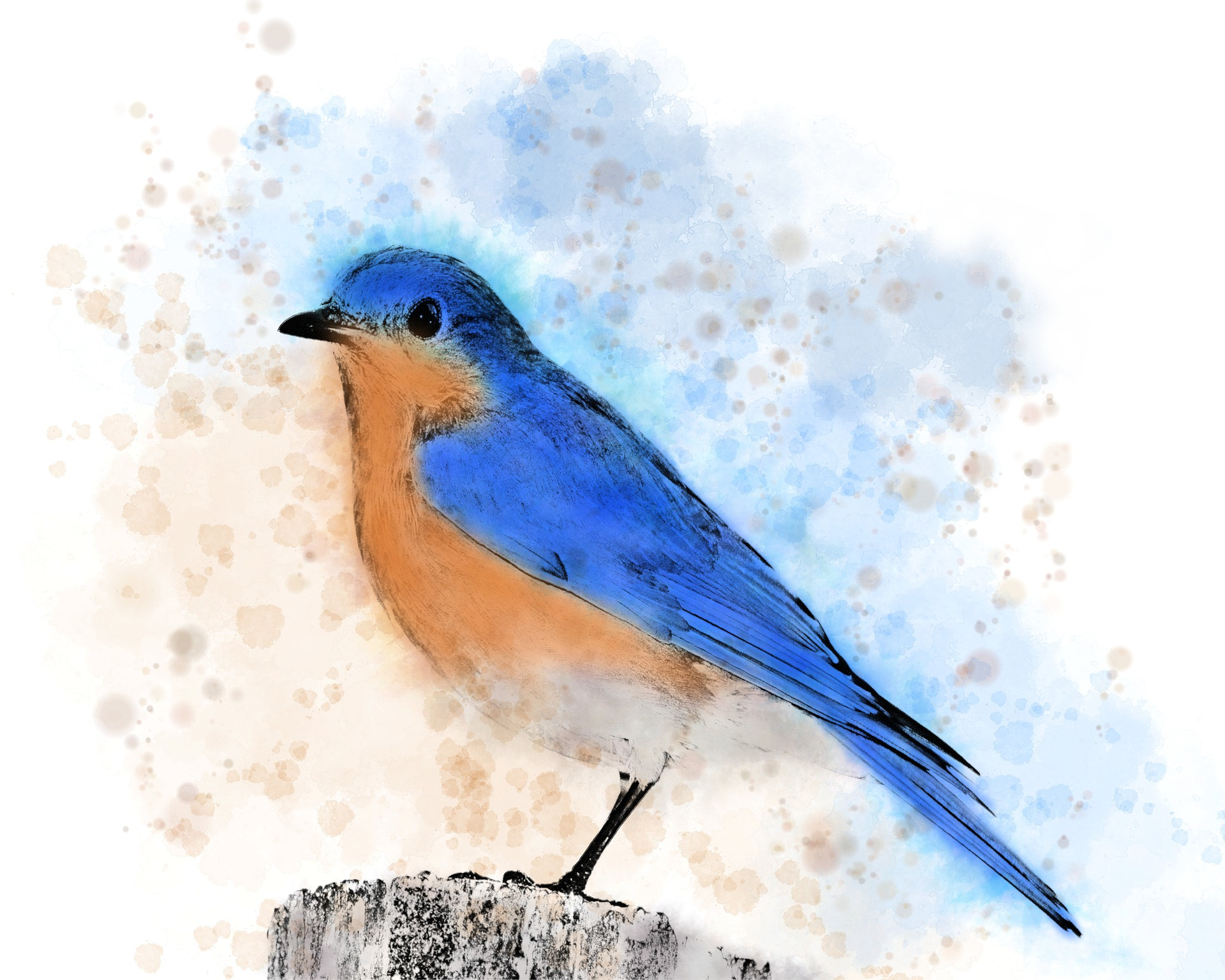
The tree swallows are back, chattering and swooping over the old field where the nestboxes are. They take most of these boxes, with house wrens nesting in a couple on the periphery of the cluster, and a bluebird pair or two mixed in with the swallows. There’s always a frisson of pleasure on seeing the bluebirds, even though they raise broods every year; not just for their inherent beauty, but because they’re a rare success story of a threatened bird brought back to a healthy population by a combination of intelligent human intervention and their own nesting strategy. Birds that cavity-nest will, for the most part, adapt to nest boxes. Grassland ground nesters—meadowlarks and bobolinks, to name just two—cannot, and so continue their steady decline.

The maple swamp is full of phoebes and tree creepers and resounding with the drumming and calls  of several species of woodpeckers: downy, red-bellied, pileated. A pair of Canada geese are nesting on a hummock of soil pushed up by a fallen tree. A pair nest here every year; every year, the mink takes the eggs. The wood ducks who nest in hollow trees above the swamp may do better, although I suspect the mink likes ducklings too.

In the drier woods, the bloodroot blossoms are still tightly furled, waiting for the sun to reach the forest floor. Marsh marigold’s round leaves are emerging in the marsh, but no buds yet. The stand of beeches ahead of me hosts a convention of conversational crows. I stop to listen, but it’s just chatter, perhaps about my presence, or the dog walkers out on the wide central path. I can’t distinguish a chipping sparrow from a pine warbler, but I’m pretty good at crow!

Spring, Week III

Image by Brigitte Werner from Pixabay 

Winter birds are still here; spring ones are arriving. Somewhere between thirty and a hundred Bohemian waxwings can be found on the university campus most days, along the laneways between the research glasshouses and the cattle barn and stables, gorging themselves on winter-sweet crab apples. There are cedar waxwings mixed in, and always a few starlings and robins taking advantage of the bounty too. Disturbed, they fly up into the line of Norway spruce that wind-shelter the glasshouses, looking, in their dun and rufous and yellow shades, like a memory of autumn in bird form, but the fruit is too tempting: they’re back down in a minute.

On the ponds east and west of the city, at the old provincial jail and redhead and goldeneye, bufflehead, ring-necked duck and hooded merganser are resting and feeding, and if you’re there early enough in the morning, there’s usually a loon that came in for the night. Here it’s all about contrast, at least in the males: dark shades of green and blue-purple and auburn against white, sharp and bright. See how strong I am, and what good genes I have, is the message: beauty to human eyes is a coincidence. But beauty there is.

Victoria Woods this week is still all duns and greys: tree trunks and dark water, winter-bleached leaf litter and rock. Only the bright green of moss patches brightens the forest floor. But at the pond, I flushed two pairs of wood ducks, a glimpse of colour. They’ll stay, nesting in hollows in the trees that overhang the water. At the edge of the wood, phoebes are calling, always the first of the flycatchers to return. Their high fee-beee, fee-beee is a sharp, welcome sound in the cold air.

Image by Oberholster Venita from Pixabay

Snowmelt and rain mean the rivers are high and the ground is saturated, ephemeral ponds covering paths. There are few ducks at the river confluence: why use energy fighting the currents when there are plenty of still ponds to be found? The water bubbles and splashes over the rocks and weirs by the mill ruins: a good dipper stream, my mind says, even though I’m on the wrong side of the Atlantic. A flash of blue streaks across the stream: a kingfisher.

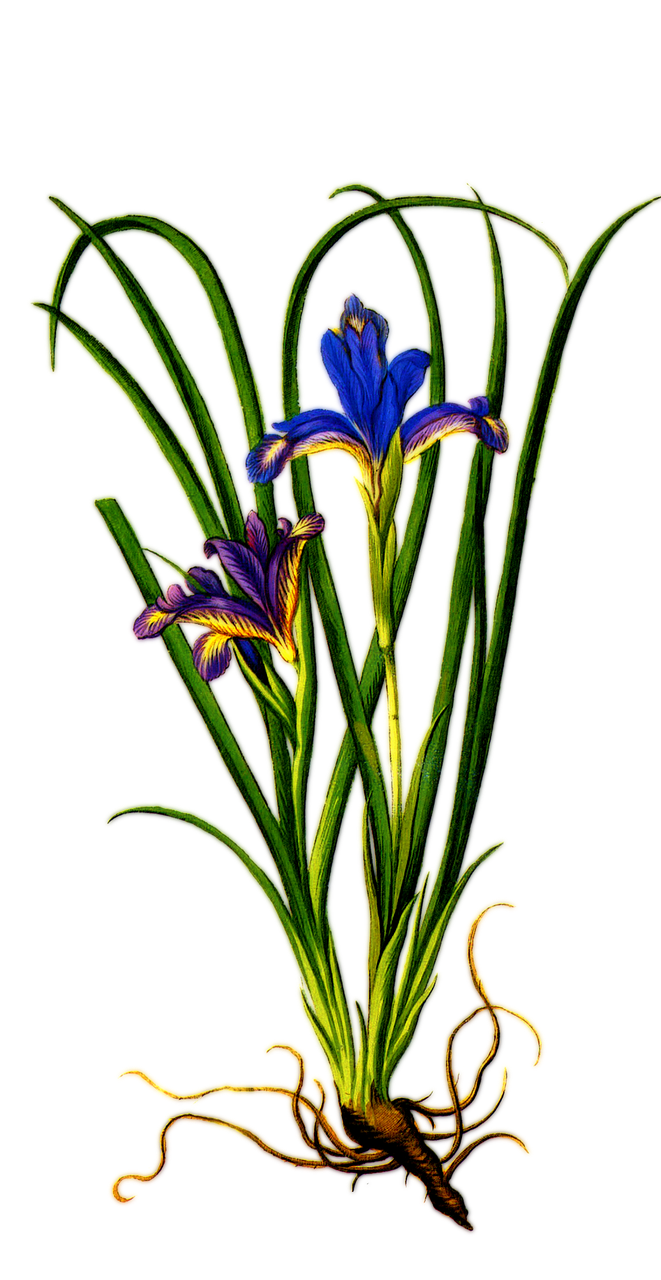
There’s still frost in the mornings: -5C today at 7 am. But there is real warmth in the sun now, and so the ice melts quickly. The first of the species iris is in flower in the front garden, narrow deep purple petals with yellow at the heart. We’re promised temperatures in the high double-digits next week, and if so, spring will pop. Buds will swell, coltsfoot will bloom, and more birds will move north. But cold, fast moving water also means blackfly, the bane of my springs. Perhaps I’ll have a few more days without them.

The First Week of Spring

Spring may be here, but it’s dancing with us: one of those dances where it’s one step forward and one back. We’ve had days of sun and relative warmth, and days of sleet and snow flurries and a temperature hovering around freezing. Blue skies and grey, and on the ponds the ice melts a little, then freezes again, then melts a little.

A line of crabapples near one of the village ponds has been discovered by the robins. The winter-cured fruit is a deep purple-red, its sugars concentrated in the desiccated flesh. The robins love it. So do the starlings, whose starred plumage of winter is just beginning to show the iridescence of summer. On the nearby feeders, male goldfinches too are moulting, black and yellow replacing dun.

Where the snow has melted back from the field edges killdeer forage; I hear them before seeing them, their high, onomatopoeic call audible even from inside the car. At the confluence of the two rivers that shape my city, a lone male common merganser is grooming itself, twisting and splashing, ignoring the mallards and Canada geese and ring billed gulls surrounding it.  Later a single male bufflehead arrows in.

At the Arboretum there are bluebirds, always an early migrant, one song sparrow—and overhead, three tundra swans, brilliantly white against the blue sky. We’re not on their main flyway here, but every year a few come through; tundras, and more and more trumpeters every year, a reintroduction success.

Outside the city, blue piping festoons stands of maple, and even on urban lawns trees have been tapped. The light lengthens, and in xylem and blood and earth, sap and hormones and the green spears of the first bulbs rise.

Equinoctial Thoughts

I left spring behind in England, missing the reported return of chiff-chaffs to Norfolk by two days. I’d heard of other migrants arriving—stone curlew to a secret site, for one—at the same time the last of the winter redwings were leaving, heading north. The blackthorn was in full flower, the local woods were full of primroses between the stiff green stalks of bluebells poking through the leaf litter, and the wood pigeons were courting in the garden.


Outside my window there is freshly fallen snow, on top of the several centimeters already on the ground. Tomorrow is the first official day of spring, and the forecast is for warmer weather, but also for more snow, falling in the cold nights.


But I will have a year of two springs. Already the turkey vultures are back, and the hooded mergansers; red-winged blackbirds buzz in the swamps and flocks of tundra swans whiten corn stubble fields a little further south and west. Sap is rising; maple syrup is being made.


Over the nine weeks I was in England I watched the field across the road go from stubble to fresh-ploughed soil, gulls and rooks following the tractor, to the hazy green of an emerging cereal. The belt of trees up on the hill changed colour subtly, the dull grey of winter overlaid with the golds and pinks and greens of swelling buds. The blackbirds and robins began singing earlier every day, and continued later.


It’s harder here in my suburban bungalow to watch the gradual shift into spring than it was in my edge-of-village house in England. But I intend to return to paying attention this year. Almost fifty years ago, the first serious writing I did was a journal of the coming of spring to my southern Ontario home, a project sadly interrupted by mononucleosis and a month of exhaustion. That too was from an edge-of-village, mostly rural setting. But I have easy access to woods and fields, rivers and parkland, and little excuse not to observe and record. A.E. Houseman wrote:

Now, of my threescore years and ten,
Twenty will not come again,
And take from seventy springs a score,
It only leaves me fifty more.

And since to look at things in bloom
Fifty springs are little room,
About the woodlands I will go
To see the cherry hung with snow.

A Shropshire Lad

Of my threescore years and ten, sixty-five will not come again. So I shall go look at things in bloom, and listen to birdsong, and watch the gradual transformation of a winter world.

Image by Noma Lotern from Pixabay