The Last of Norfolk: March 30 – April 3

The last of Norfolk birding for the spring of 2024, at least! We plan, as always, to return.


March 30: A nuthatch yelps from high in a bare oak; coal tits call, ‘it’s me, it’s me,’ from low branches. In the meadow a jay forages among shelduck & Egyptian geese. A silver squirrel climbs a stump. The larches are bright green with new growth; new leaves unfurl on the brambles. We’re walking footpaths and lanes at Houghton, a sheltered walk on this windy day. In the sheep field a new statue stands: the figure of a man, or a cyberman, almost human. “Disconcerting, at dusk,” a woman walking her dog tells us. Later we learn it’s part of a new art installation by Anthony Gormley.

Photo by: Mmparedes, CC BY-SA 2.5 <https://creativecommons.org/licenses/by-sa/2.5>, via Wikimedia Commons

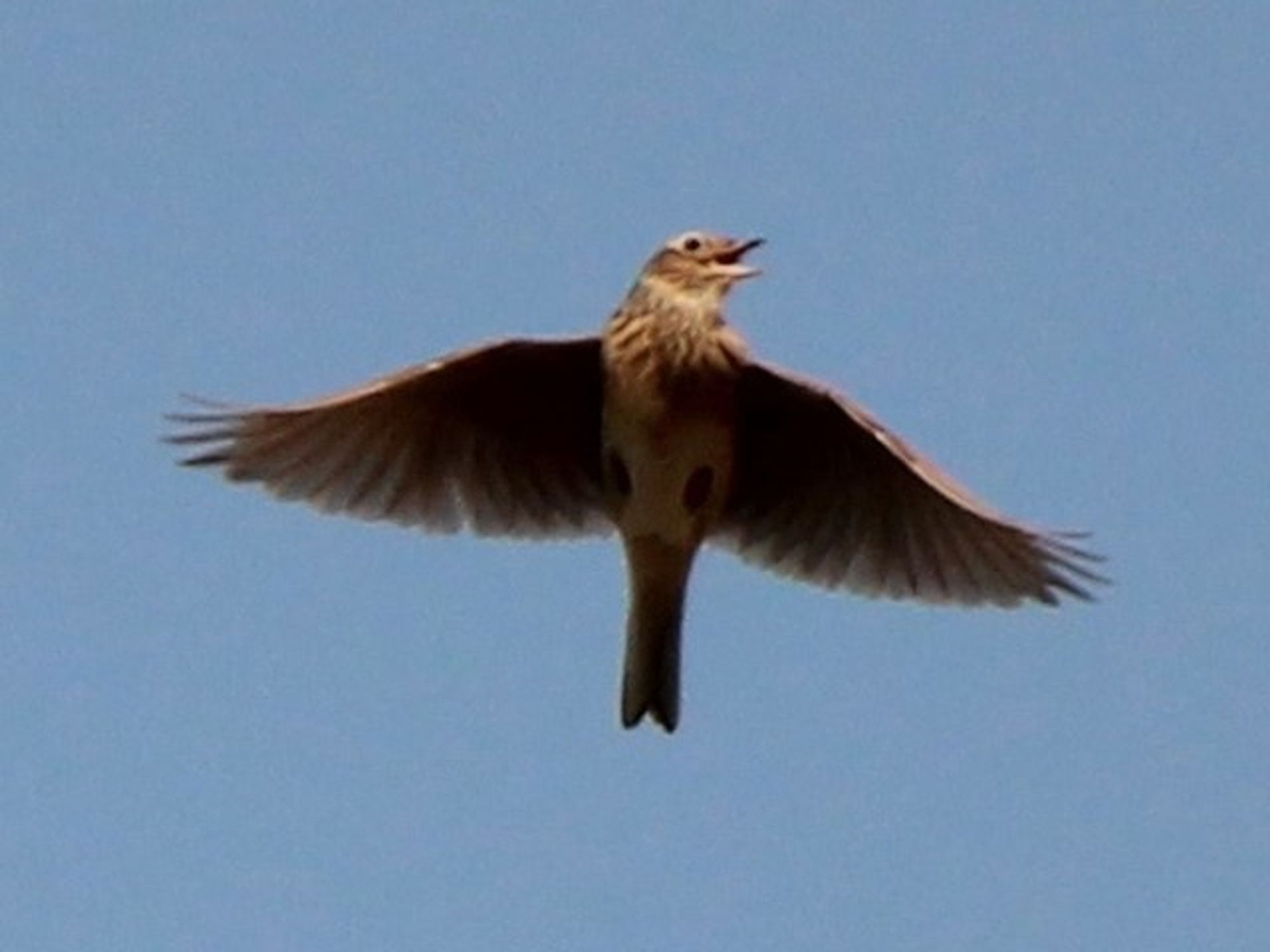
March 31: Drove to visit friends, through countryside and villages. Gulls, common and black-headed, followed ploughs. Pheasant and red-legged partridge, shoot survivors, scurried or flew across hedged lanes. The sound of tires and the barrier of glass & steel couldn’t block out the skylarks, singing, singing. A little owl lives in the barn down the road, our friends tell us; it’s driven out the barn owl.
Alpsdake, CC BY-SA 3.0 <https://creativecommons.org/licenses/by-sa/3.0>, via Wikimedia Commons

April 1: Footpath birding today, along the old railway line, now part of the Jubilee Trail. In Life Woods, the first mallard ducklings of the spring; on Snettisham common, a green woodpecker yaffles from a utility pole. We walk up into Ken Hill’s pine woodlands. A tree creeper circles the high branches of a still-bare oak. From the western height of land, we look out on the distant marsh and the Wash: it’s too wet still to walk out, without wellies. Shelduck are scattered across the wetland, gleaming white. I think about the torcs of the Snettisham hoard, found by a farmhand ploughing the field below us. I went to look at them (again) at the British Museum last week.

Dr W E Lee / Avenue of Beeches, Edge of Ken Hill Woods. CC BY-SA 2.0 <https://creativecommons.org/licenses/by-sa/2.0&gt;, via Wikimedia Commons

April 2: Walked out between farm fields to the mudflats of the Wash. Wrens sang from bramble or reeds every 50 paces; goldfinches twittered from greening willows. In the sunshine, both stonechats and reed buntings announced themselves, males proclaiming ‘this is my territory’.

rkl, CC BY 4.0 <https://creativecommons.org/licenses/by/4.0>, via Wikimedia Commons

Where Boathouse Creek joins the Wash avocets and ruddy turnstones fed on the mud; linnets flitted and fed along the shingle foreshore. On the gravel pits, among the black-headed gulls, pairs of Med gulls stood out, tall and proud. Sunshine, water, breeze.

Later, reading this in Simon Barnes’s On the Marsh, I recognized its inherent truth. I delighted today in red kites and marsh harriers, in singing skylarks and wrens, but mourned for the dead or dying oystercatchers on the mudflats, the lack of lapwings wheeling, the paucity of finches, all the losses.


April 3: Last visit to Titchwell today, under showery skies. Rain or no, the day gave us a bearded reedling in a rare fully open view. In the woods, a blackcap sang its bubbling, lilting song; a Cetti’s warbler exploded both into song and into view, briefly. Out on the freshmarsh, among black-tailed godwits turning chestnut and avocets up to their bellies in the water, a lone ruff, its back mottled chestnut & black, probed the mud.

Ken Billington, CC BY-SA 3.0 https://creativecommons.org/licenses/by-sa/3.0, via Wikimedia Commons

But the surprise of the day was a polecat, never before seen, feeding on roadkill at the side of the A149. We circled back at the next roundabout, took a second look. While our brains said ‘pine marten’; sensibility said ‘not a chance’. A little research revealed the identification. Norfolk, it seems, still holds secrets.

Nicolas Weghaupt, CC0, via Wikimedia Commons

Ten Days of Spring

March 20: First day of spring, and two magpies in the field beside the track. Two for joy, the verse says. Blackthorn flowering, the hedgerows as white as the gulls following the ploughs. Plant barley when blackthorn flowers, but prepare too for a cold spell, blackthorn winter. There’s no hint of it in the forecast.

Blackthorn in flower. My photo.

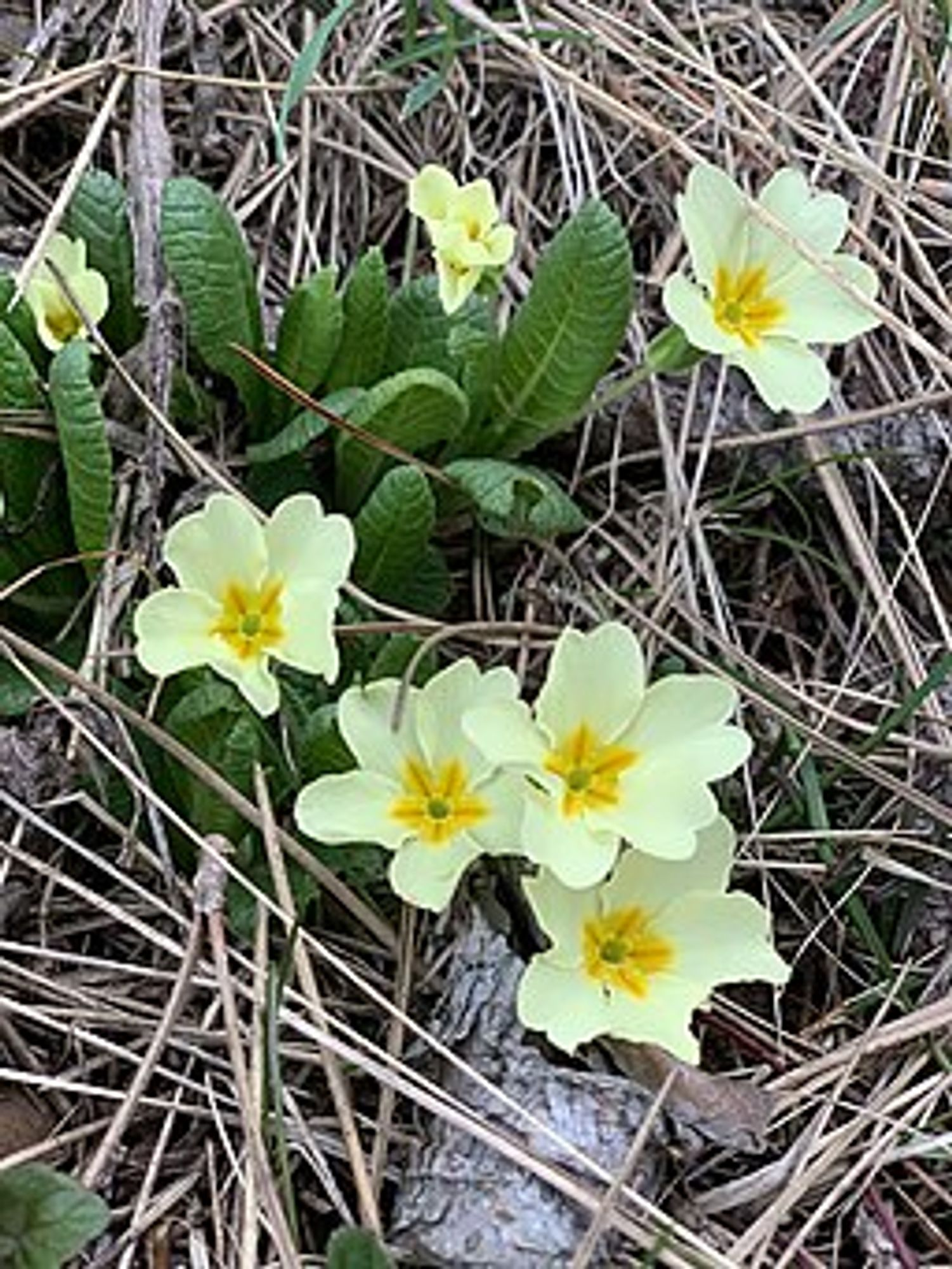
March 21: Today brings primroses, pale yellow against the leaf litter of the woodland, and cowslips in a greening meadow. A fox redder than terra cotta emerges from the hedge, sees us, leaps away, its brush full and the white tip gleaming. Chiff-chaffs see-saw in the bushes every twenty paces or so; dunnocks and robins and wrens sing in the spaces between. Willows are greening; the verges are verdant with alexanders, and the fields ring with pheasant calls, survivors of the winter’s shoots.

Primroses on a forest floor.
Alexandra Kaganova, CC BY 4.0 <https://creativecommons.org/licenses/by/4.0>, via Wikimedia Commons

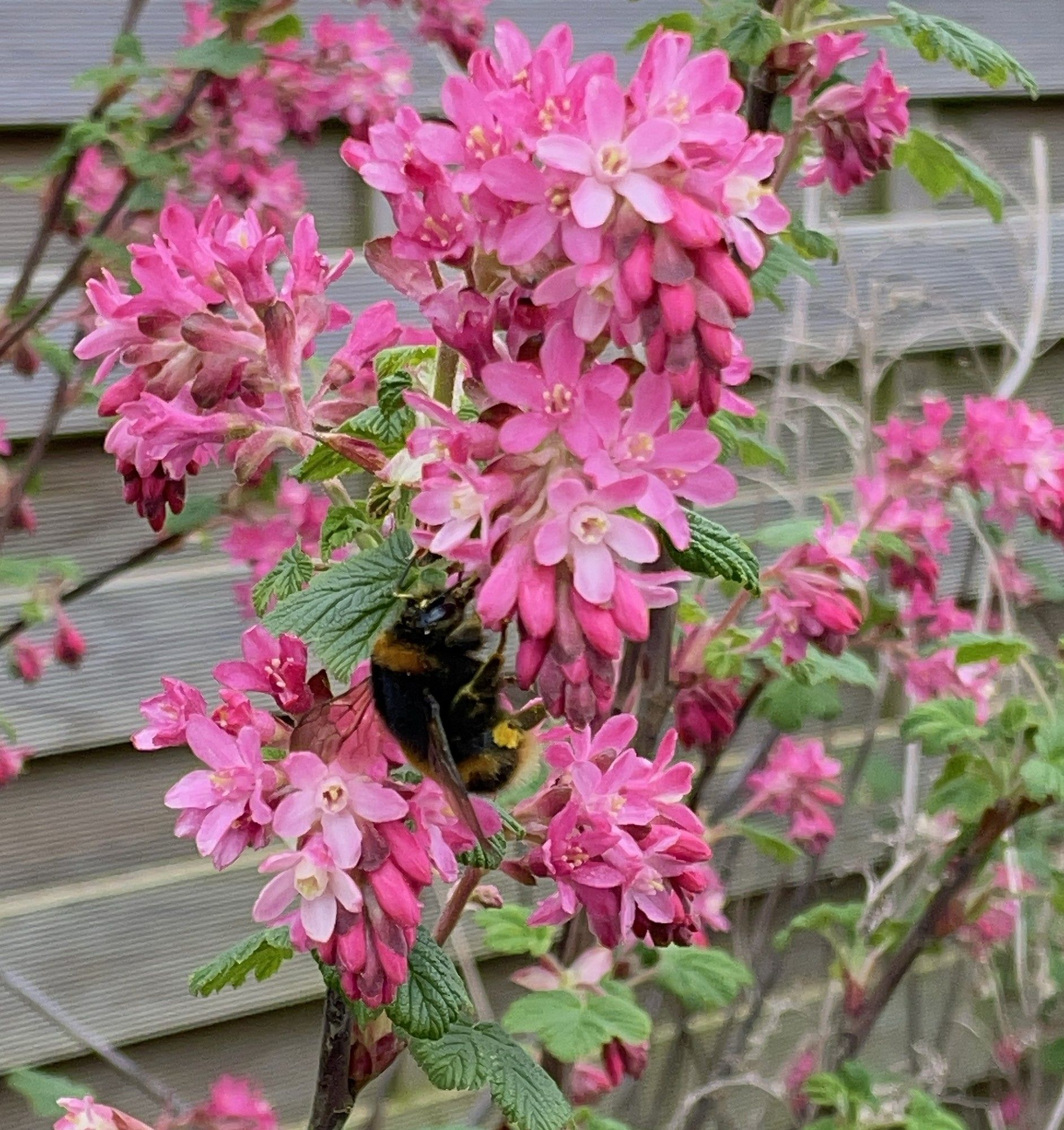
March 22  : Greenfinches buzzing all along the footpath this morning; queen bumblebees out foraging; a wood pigeon on its nest. In the next village, magnolia petals litter the pavement, bruised pink and white.

Buff tailed bumblebee on pink ornamental currant flowers; my picture.

March 23: The world is wind-whipped today, clouds moving southwest in towers of grey; blue sky winking in and out. A jackdaw sails by with nesting material in its beak. Petals from the ornamental prunus in the garden blizzard down.

Image by 3238642 from Pixabay

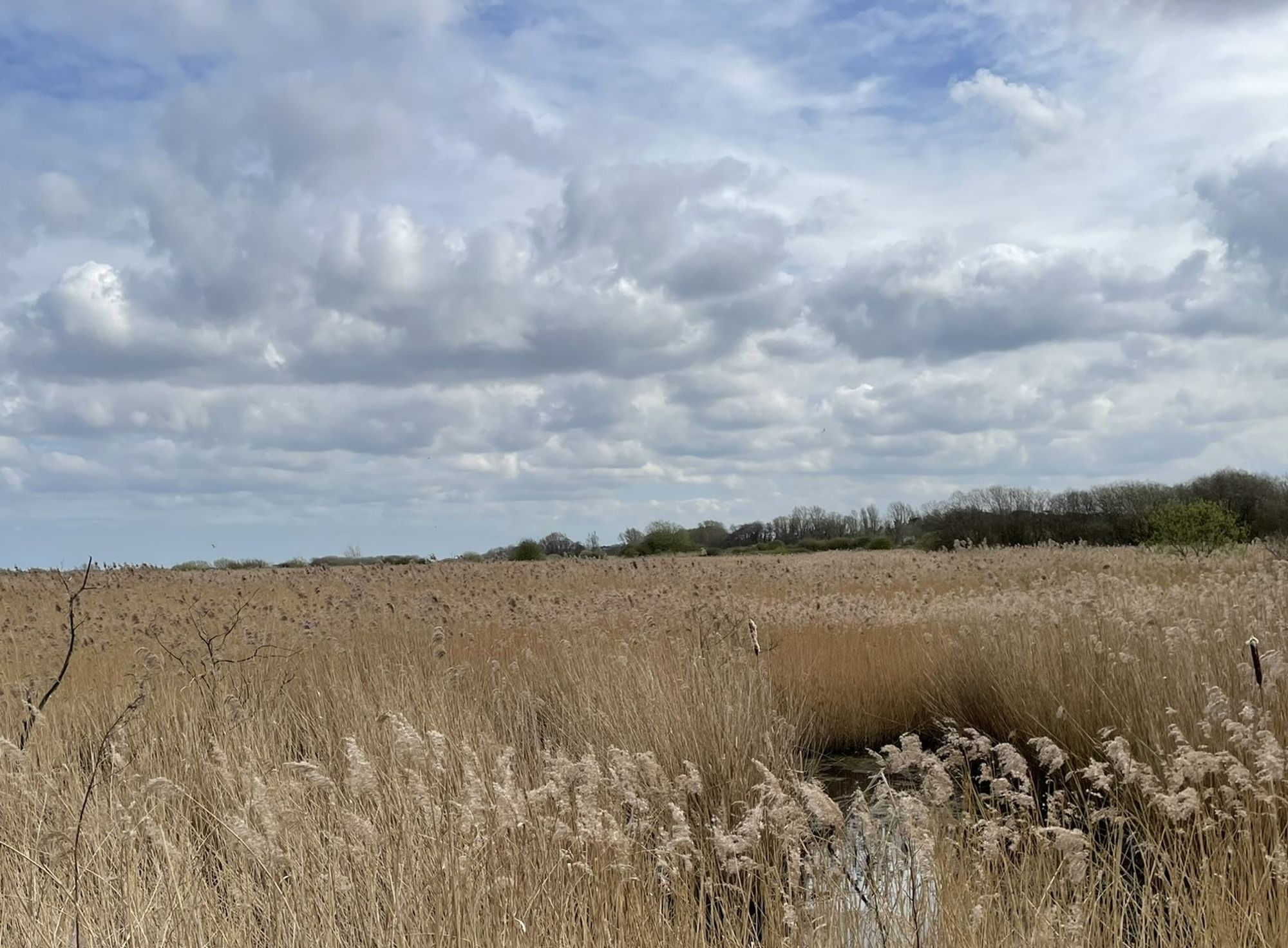
March 25: Marsh harriers drift over the marsh; a blackcap sings in the woods. Brent geese in their evening dress graze the short grass; in the reeds, a Cetti’s warbler staccato song explodes.

Reedbeds under a blue sky half-covered by puffy clouds. (Titchwell RSPB reserve, my photo).

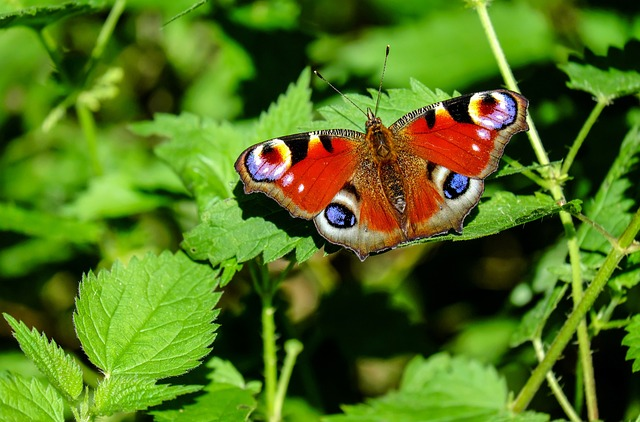
March 26: A continuous chorus today: skylark from the heights; lower, wren & dunnock, robin & chaffinch, blue tit & chiffchaff, late redwings. Bee-loud hedges bright with blossom, hung with butterflies – brimstone, comma, peacock. Buzzards drift in the blue sky.

Image by Couleur from Pixabay

March 27: The train took me to London and back again. In King’s Cross station, pigeons cooed from atop a sign. From the train, swans grazed in the Cambridgeshire fields; rooks carried nesting material; red kites circled. Willows were greener on the afternoon journey than in the morning.

Image by snibl111 from Pixabay

March 28: A nuthatch yelps from high in a bare oak; coal tits tell the world ‘it’s me, it’s me’ from low branches. In the meadow, a jay forages among shelduck and Egyptian geese. A silver squirrel climbs a stump. The larches are bright green with new growth; new leaves unfurl on the brambles.

Photo by: Mmparedes, CC BY-SA 2.5 <https://creativecommons.org/licenses/by-sa/2.5>, via Wikimedia Commons

March 29: Yellowhammers sing from the hedgerows, still white with blackthorn blossom in places. Hares streak across flinty fields or gather in groups in the young wheat. A pair of lapwings circle and cry: will they nest? (Will the nest survive, if they do?) Oystercatchers patrol the furrows; a line of fallow deer crosses the skyline.

Photo by caroline legg, CC BY 2.0 <https://creativecommons.org/licenses/by/2.0>, via Wikimedia Commons

November Diary 3

November 20: University of Guelph Arboretum

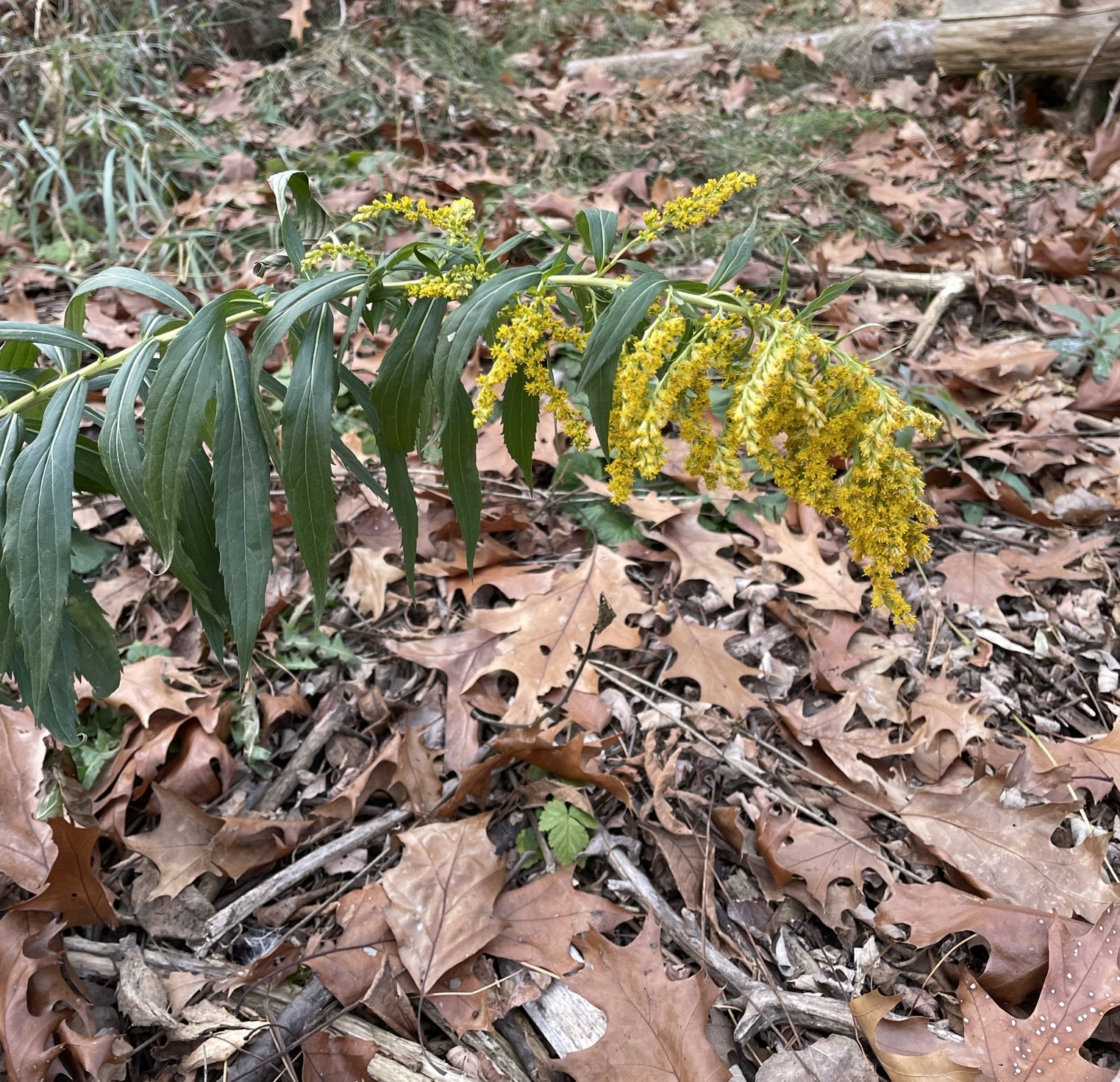
Regardless of the hard frost, a few goldenrod plants are still flowering, bright against the brown leaves. As are the bright red berries of a shrub I can’t identify. The goldenrod is wild, wind or bird seeded; the shrubs are planted. One is likely more appreciated than the others by humans, but I know which the chickadees prefer.

November 22: University of Guelph Arboretum

Neither flowers nor berries were needed to enhance this landscape: the diffuse light, the time of day, the copper and gold of goldenrod and grasses combined were enough. The field glowed.

Further along the path, the white-berried bushes – grey dogwood? – were full of birds. First a flock of starlings, sounding like rusty hinges and oblivious to my presence (or simply not caring); then a dozen robins arrived. Starlings and robins mixed without issue, but in a close bare tree, ten bluebirds (or greybirds, on this cloudy day) waited for the larger birds to leave.

The deciduous trees are bare now, except for the few beeches and oaks still hanging onto their brown leaves. November begins to show us the hidden things, nests in the forks of trees and shrubs, wasps’ nests hanging from branch tips, and high in a maple tree near the old quarry, a porcupine, too far away for my iphone camera to capture anything but a lump.

The last surprise of the day was the fruit of an Osage Orange (Maclura pomifera) at the edge of a hedgerow, their almost lemon-yellow colour standing out against the leaves. Three fruits, scattered across a small area. The closest (and only, I think) Osage Orange tree in the Arboretum is some distance away. I expect these were human-gathered and human-discarded. Will they be there the next time I walk this path?

November 24: University of Guelph Arboretum

First snow, a bare sprinkling arriving mid morning. The air is crisp still at 10 am. I round a curve on one of my favourite paths and freeze. On a waist-high stump not more than 6 or 8 meters from me, a young red-tailed hawk is devouring a squirrel. (The picture below is a terrible record shot, but it’s the best my phone could do.)

I watch the bird through my binoculars for several minutes, its head dipping, the strong yellow beak tearing at flesh, the head rising again, the beak red with blood and meat, the ripple of the throat as it swallows. The hawk is hungry after the cold night, and pays me no attention at all. Even when I move again, it just keeps feeding.

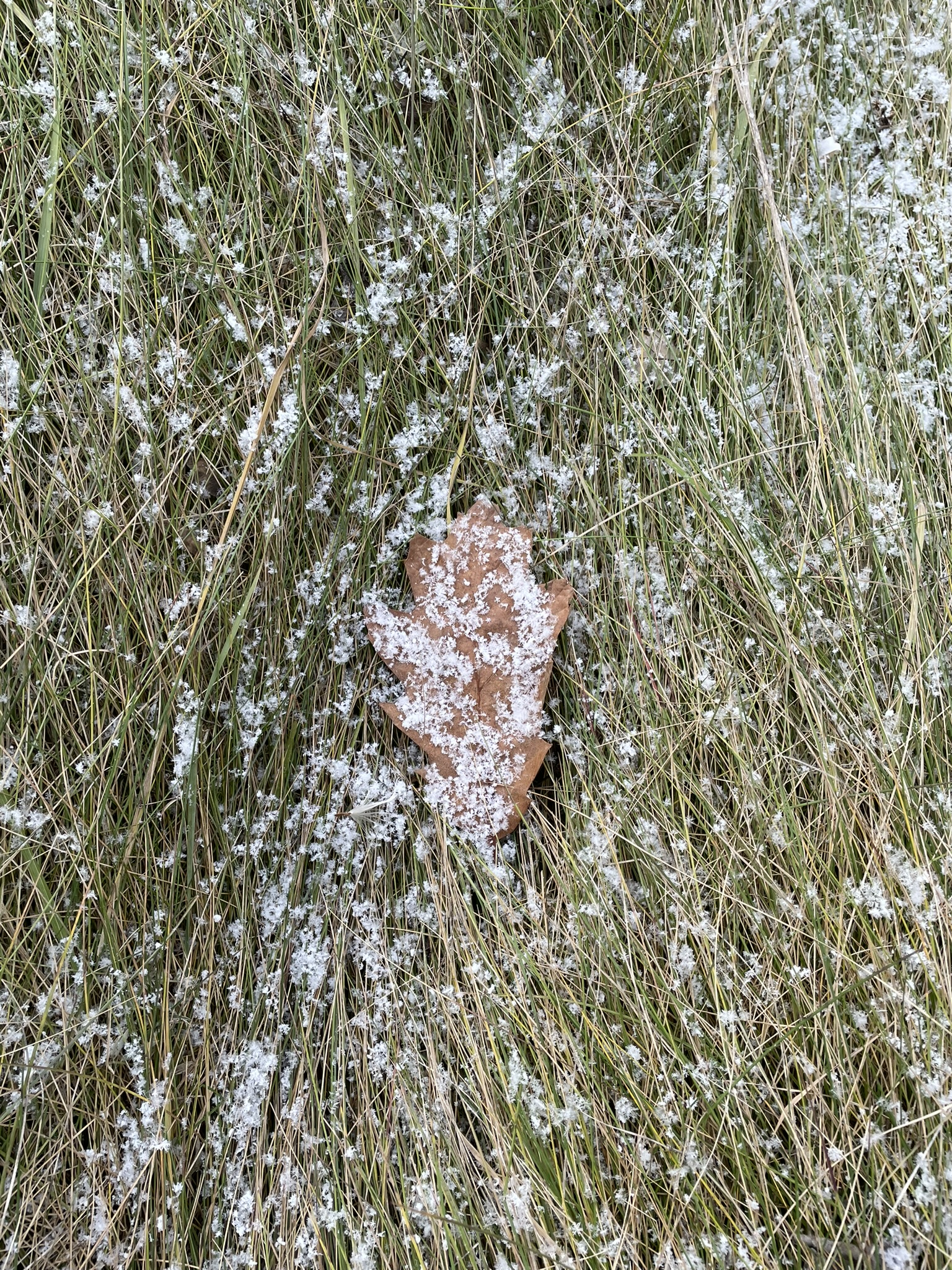
I walk my usual route, looking at the patterns of snowflakes on grass and leaves, hearing juncos and chickadees and crows. When I return to where the hawk was, forty minutes later, there is nothing but a few wisps of fur on the stump.

November 26: University of Guelph Arboretum

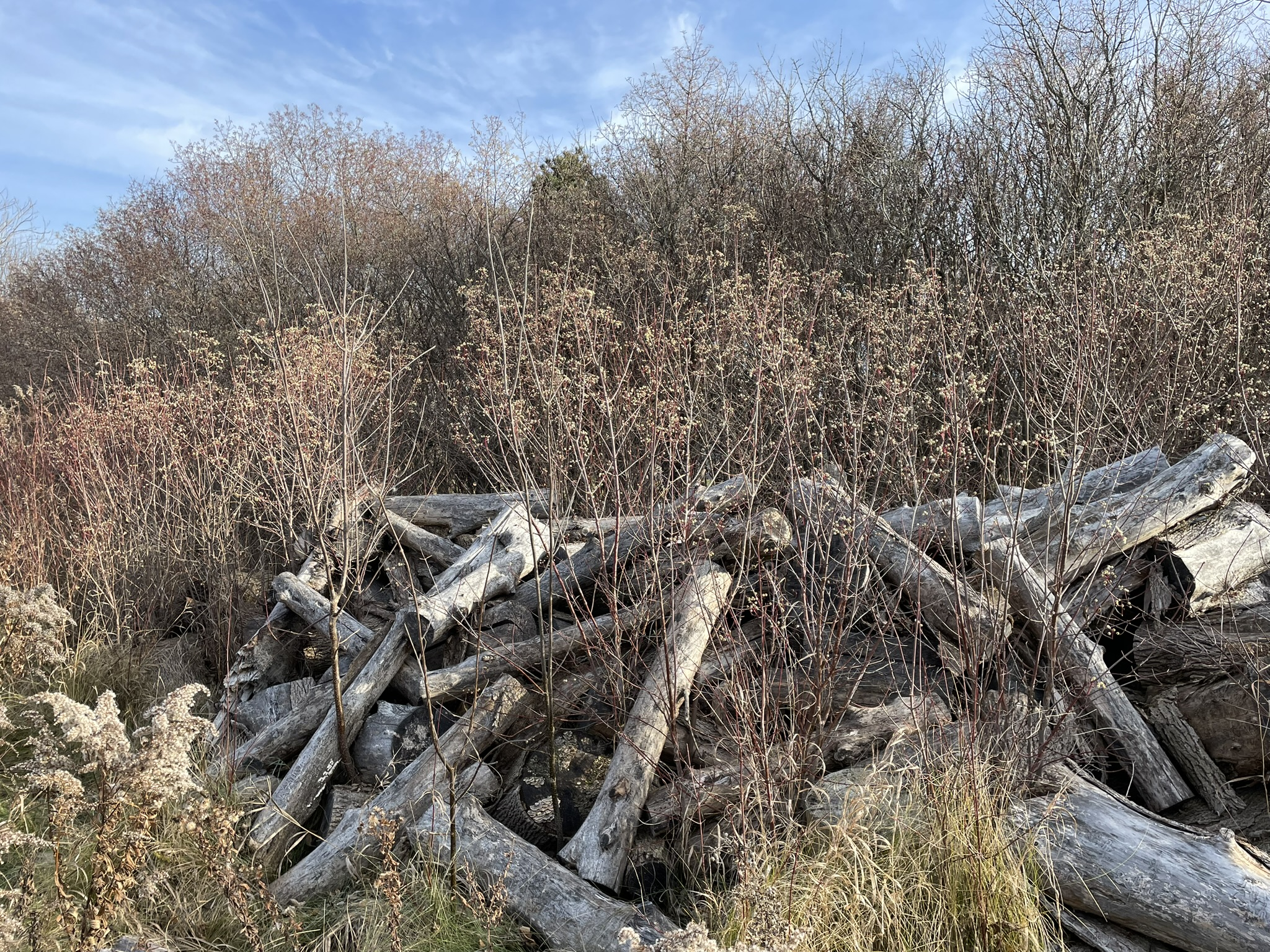
Still sluggish after my COVID shot, I walk slowly around my favourite paths. This location intrigues me: the pile of logs, the perennial plants, the white-berried shrubs (gray dogwood again?) behind them makes for excellent habitat. (The shrubs are full of cardinals this morning, feeding.) If there’s snow on the ground before we leave for England in early January, I’ll come back here to look at the tracks leading in and out of the logpile, to see what stories they tell.

When I’m almost back to the car, the many shades of brown of these red oak leaves catches my attention. On a cloudy day, they probably wouldn’t have, but in the morning sunshine they gleam, a patch of subtle beauty easily overlooked.

November Diary 1

November 3: Paths beckon in sere November, when the bones of things begin to show and the light slants and shortens.

November 5: Frost overnight, roofs and grass sparkling pink at sunrise: a few hours later, a garter snake on the path through Wild Goose Woods, unexpected.

November 8

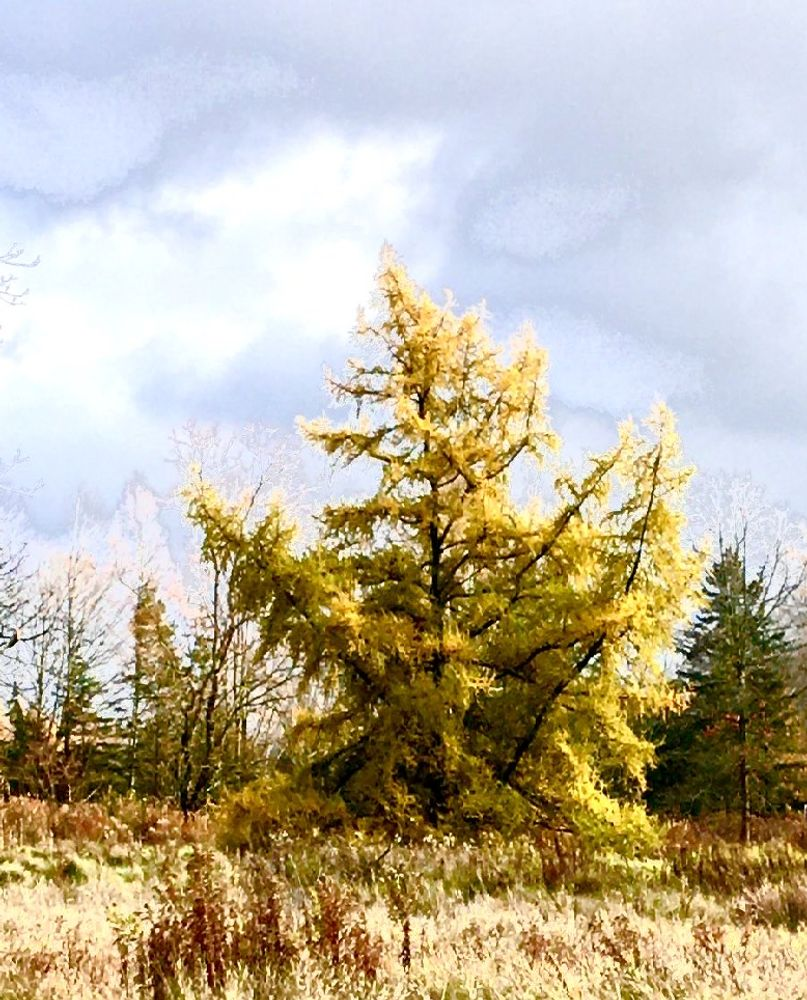
A larch glowed in the fleeting November sun. Close to where I stood, eastern bluebirds flitted from tree to tree, their breasts the colour of autumn oak leaves, their backs and heads refracting the sky, as mercurial as the day.

November 10

Wild Goose pond was still, no ripple of beaver or muskrat or mink, no green heron stalking its edges or mallard leisurely gliding. Above me, the cacophony of a flock of starlings, like a hundred keys turning in rusty locks. Quiet water, loud air.

November 11

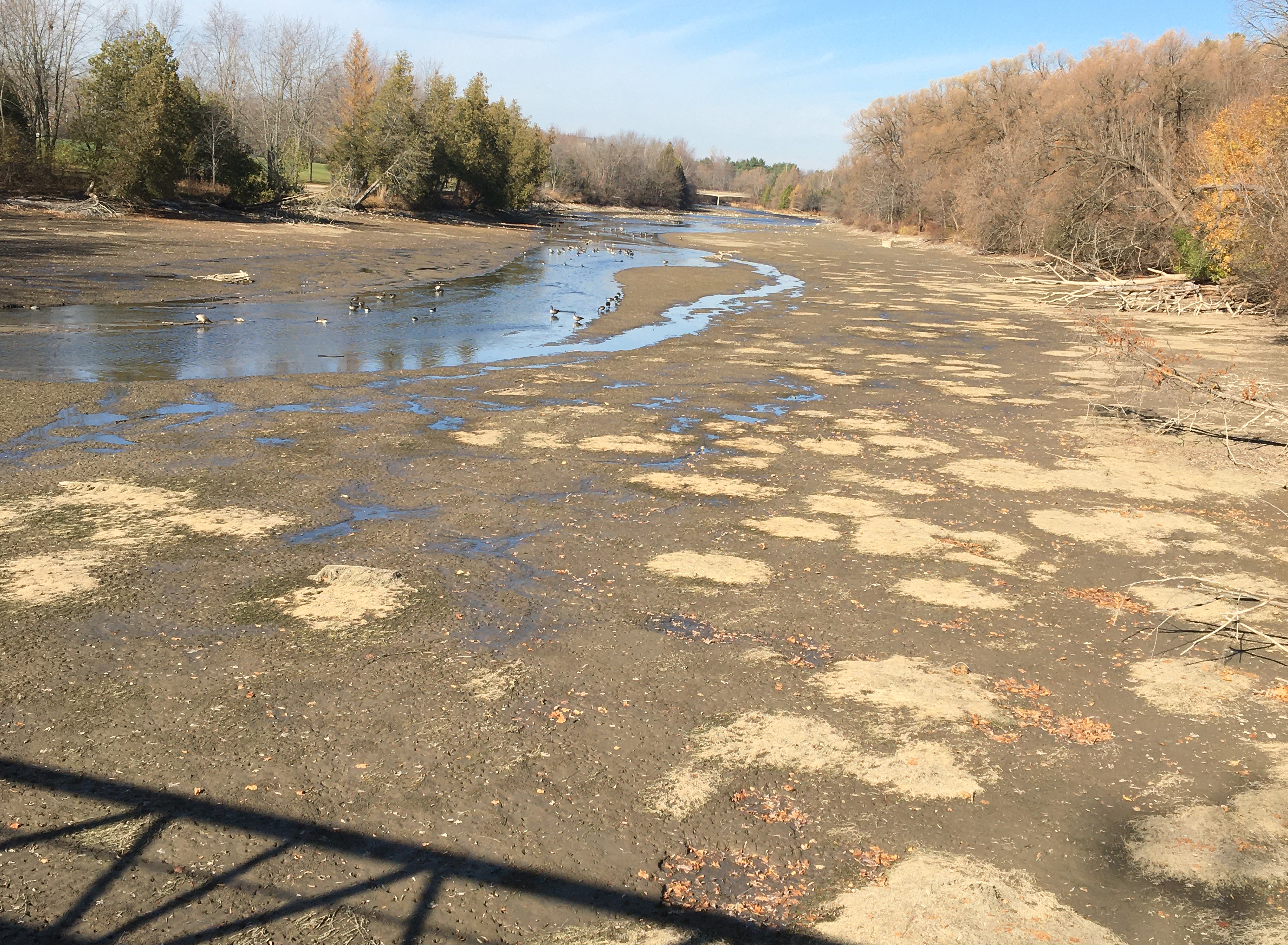
The dam on the Speed is out. Among the rocks and debris scattered in the mud of the river channel, mallards feed. One, in flight, drops diagonally to the water, its descending quacks mirroring its trajectory. By the footbridge, a blue heron stands on one leg, head tucked, motionless, prehistoric, more like a shaggy, shedding tree than a bird.

On the wooded east bank path, a red squirrel is a quivering embodiment of frustration, frantic, angry. It circles and chatters, whipping up and down a cedar’s trunk, returning to a hole to thrust its head in. My approach scares it off. I stand, watching. An eye appears, dark, ringed with pale fur. A nose. A head emerges: another red squirrel. It slides out, glances around, slips down the trunk and away. What disagreement, what trespass, did I disturb?

The First Week of Spring

Spring may be here, but it’s dancing with us: one of those dances where it’s one step forward and one back. We’ve had days of sun and relative warmth, and days of sleet and snow flurries and a temperature hovering around freezing. Blue skies and grey, and on the ponds the ice melts a little, then freezes again, then melts a little.

A line of crabapples near one of the village ponds has been discovered by the robins. The winter-cured fruit is a deep purple-red, its sugars concentrated in the desiccated flesh. The robins love it. So do the starlings, whose starred plumage of winter is just beginning to show the iridescence of summer. On the nearby feeders, male goldfinches too are moulting, black and yellow replacing dun.

Where the snow has melted back from the field edges killdeer forage; I hear them before seeing them, their high, onomatopoeic call audible even from inside the car. At the confluence of the two rivers that shape my city, a lone male common merganser is grooming itself, twisting and splashing, ignoring the mallards and Canada geese and ring billed gulls surrounding it.  Later a single male bufflehead arrows in.

At the Arboretum there are bluebirds, always an early migrant, one song sparrow—and overhead, three tundra swans, brilliantly white against the blue sky. We’re not on their main flyway here, but every year a few come through; tundras, and more and more trumpeters every year, a reintroduction success.

Outside the city, blue piping festoons stands of maple, and even on urban lawns trees have been tapped. The light lengthens, and in xylem and blood and earth, sap and hormones and the green spears of the first bulbs rise.