December Diary II: At the Turning of the Year.

Six days past the solstice, and the daylight lasts a minute longer than it did on that shortest day. We’re still in the period when the change is barely perceptible. It won’t be until early January that the gain will rise to over a minute a day. It feels almost as if the world has paused.

Maybe it’s this sense of stopped time, at the darkest time of the year, that drives so many people to be frantically social, an atavistic response. Safety in numbers, safety in the lights inside and out, presents given and feasts offered to strengthen social bonds.

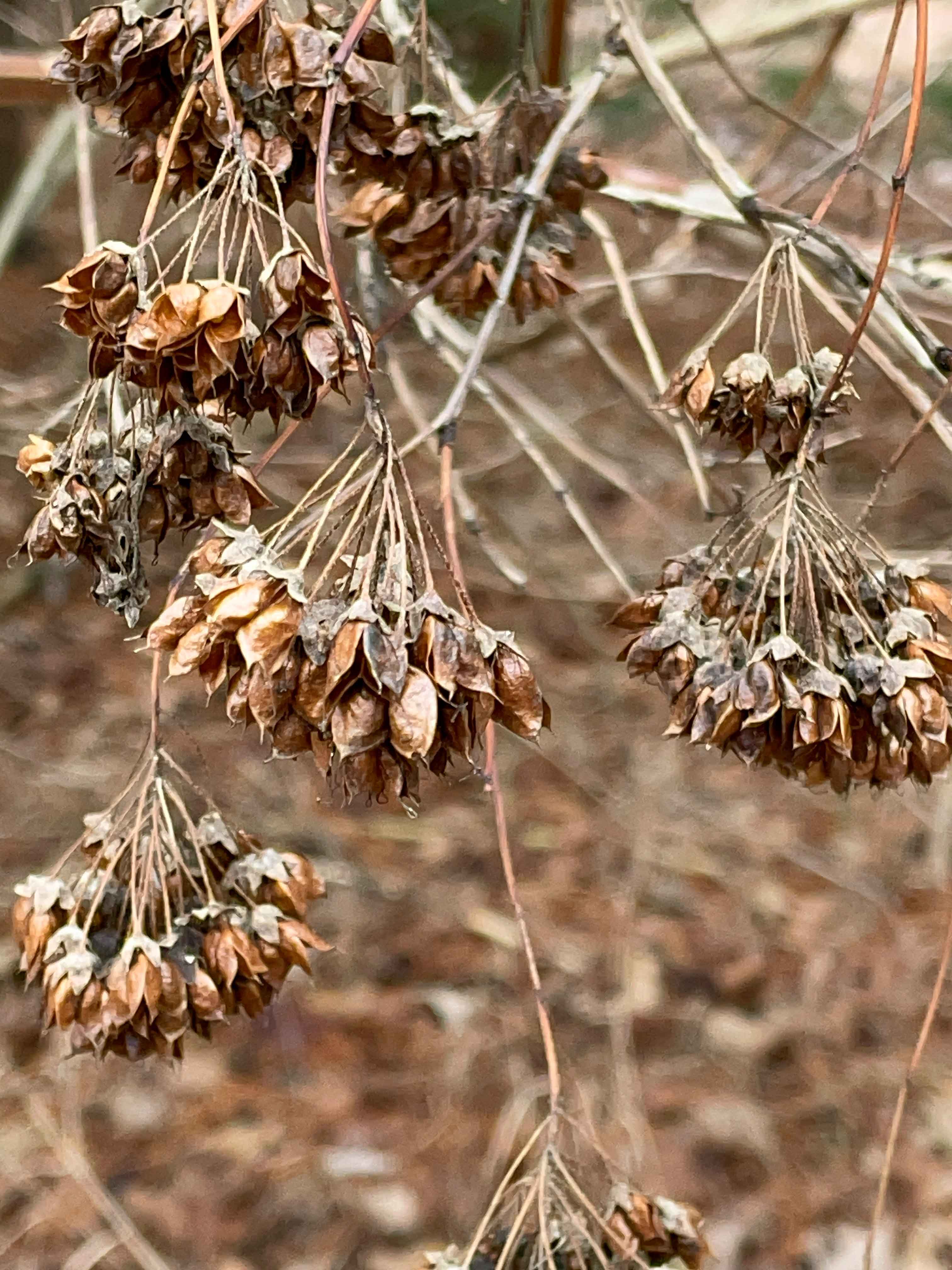
In nature, it’s a time to be wrapped up tight, if possible. It’s not been cold enough this year for mammals to be curled up asleep in dens or dreys; squirrels are still out foraging, the beavers are still cutting down trees. But most insects are dormant, and seeds wait for spring, on or under the soil, or wrapped in a protective layer of cells soft or hard: berries, cones, shells.

The last few days have been either raining or foggy. Red squirrels seemed annoyed by the weather, scolding at me with more vigour than usual. Smaller birds fed almost constantly: juncos among the grasses; starlings on the berry bushes; pine siskins at the cones. In Wild Goose Woods the drum of a pileated woodpecker searching for insects echoed against bare trunks. Only the crows were apparently unperturbed by the damp.

When I first saw the crows, I thought there were two, huddled together in the fog on the top of a glasshouse frame. Two became three, and three became four. They hopped around a bit, made a few conversational caws. And then they took off, all four of them, with purpose and wild, angry calls, to intercept a raven flying by.

They twisted. It dived. They followed. It ascended. They spiraled upward, still shouting. The spinning, sinusoidal dance repeated three times, until the raven had had enough. It arrowed away, the crows following for a few meters. Then they turned almost as one, and flew leisurely back to perch again, a gang of ruffians causing havoc just for fun.

The raven flew east. As I will be, in just over a week, east and 9 degrees of latitude further north. Where the daylight is an hour less than it is here…but for the three paradoxical months where, here, the hours of sun are longer but the air is colder and the world swathed beneath snow, it will be warmer. There are already snowdrops out, and on fields and in woodland and on mudflats and beaches, the northern birds that have come south to Norfolk from Scandinavia are feeding. Pink footed geese and redwings, shore larks and snow buntings. Godwits and redshanks, and, in numbers beyond counting, golden plover and red knots and oystercatchers on the bare mud of the Wash.

January 27, 2023

November Diary 3

November 20: University of Guelph Arboretum

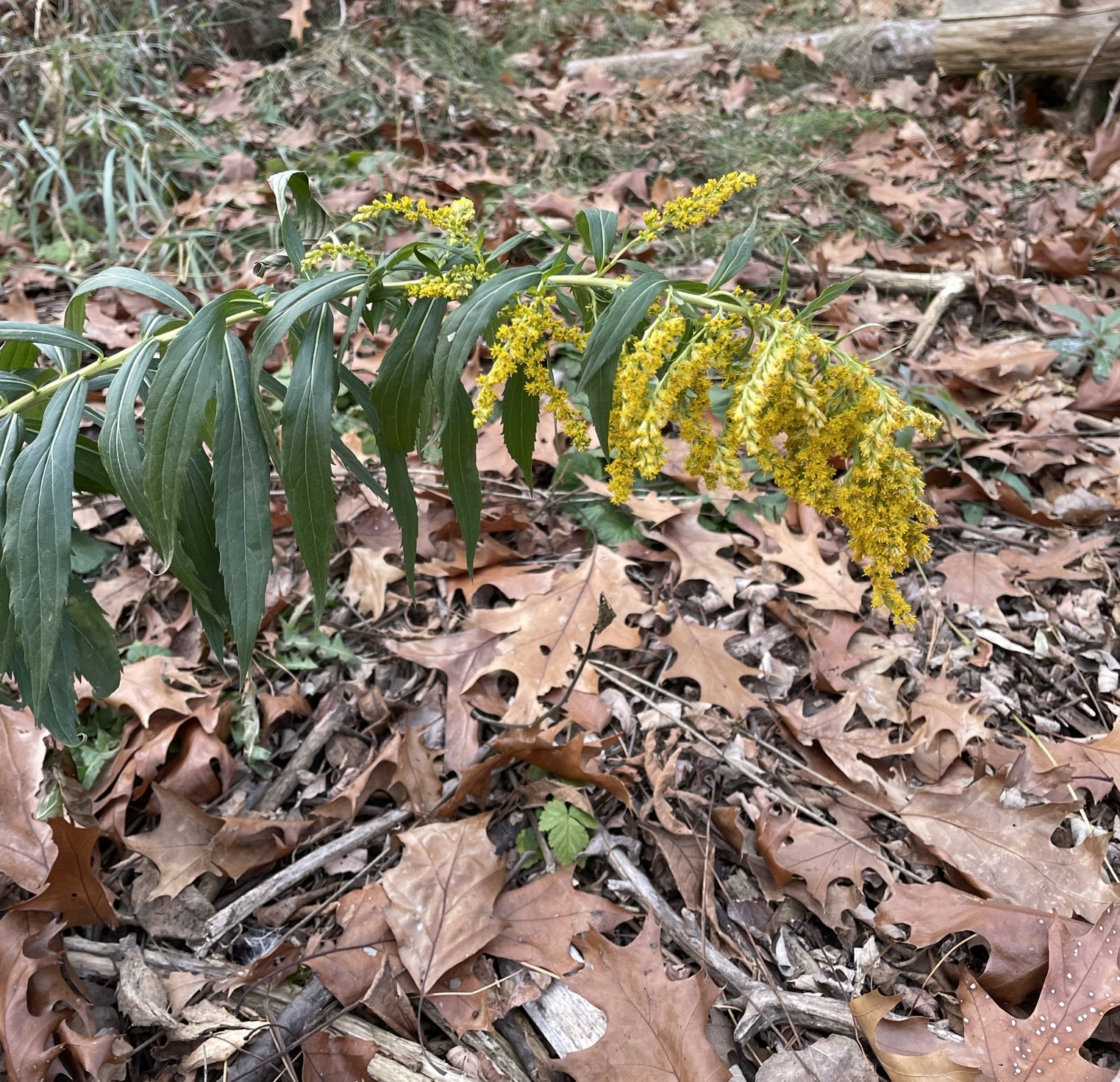
Regardless of the hard frost, a few goldenrod plants are still flowering, bright against the brown leaves. As are the bright red berries of a shrub I can’t identify. The goldenrod is wild, wind or bird seeded; the shrubs are planted. One is likely more appreciated than the others by humans, but I know which the chickadees prefer.

November 22: University of Guelph Arboretum

Neither flowers nor berries were needed to enhance this landscape: the diffuse light, the time of day, the copper and gold of goldenrod and grasses combined were enough. The field glowed.

Further along the path, the white-berried bushes – grey dogwood? – were full of birds. First a flock of starlings, sounding like rusty hinges and oblivious to my presence (or simply not caring); then a dozen robins arrived. Starlings and robins mixed without issue, but in a close bare tree, ten bluebirds (or greybirds, on this cloudy day) waited for the larger birds to leave.

The deciduous trees are bare now, except for the few beeches and oaks still hanging onto their brown leaves. November begins to show us the hidden things, nests in the forks of trees and shrubs, wasps’ nests hanging from branch tips, and high in a maple tree near the old quarry, a porcupine, too far away for my iphone camera to capture anything but a lump.

The last surprise of the day was the fruit of an Osage Orange (Maclura pomifera) at the edge of a hedgerow, their almost lemon-yellow colour standing out against the leaves. Three fruits, scattered across a small area. The closest (and only, I think) Osage Orange tree in the Arboretum is some distance away. I expect these were human-gathered and human-discarded. Will they be there the next time I walk this path?

November 24: University of Guelph Arboretum

First snow, a bare sprinkling arriving mid morning. The air is crisp still at 10 am. I round a curve on one of my favourite paths and freeze. On a waist-high stump not more than 6 or 8 meters from me, a young red-tailed hawk is devouring a squirrel. (The picture below is a terrible record shot, but it’s the best my phone could do.)

I watch the bird through my binoculars for several minutes, its head dipping, the strong yellow beak tearing at flesh, the head rising again, the beak red with blood and meat, the ripple of the throat as it swallows. The hawk is hungry after the cold night, and pays me no attention at all. Even when I move again, it just keeps feeding.

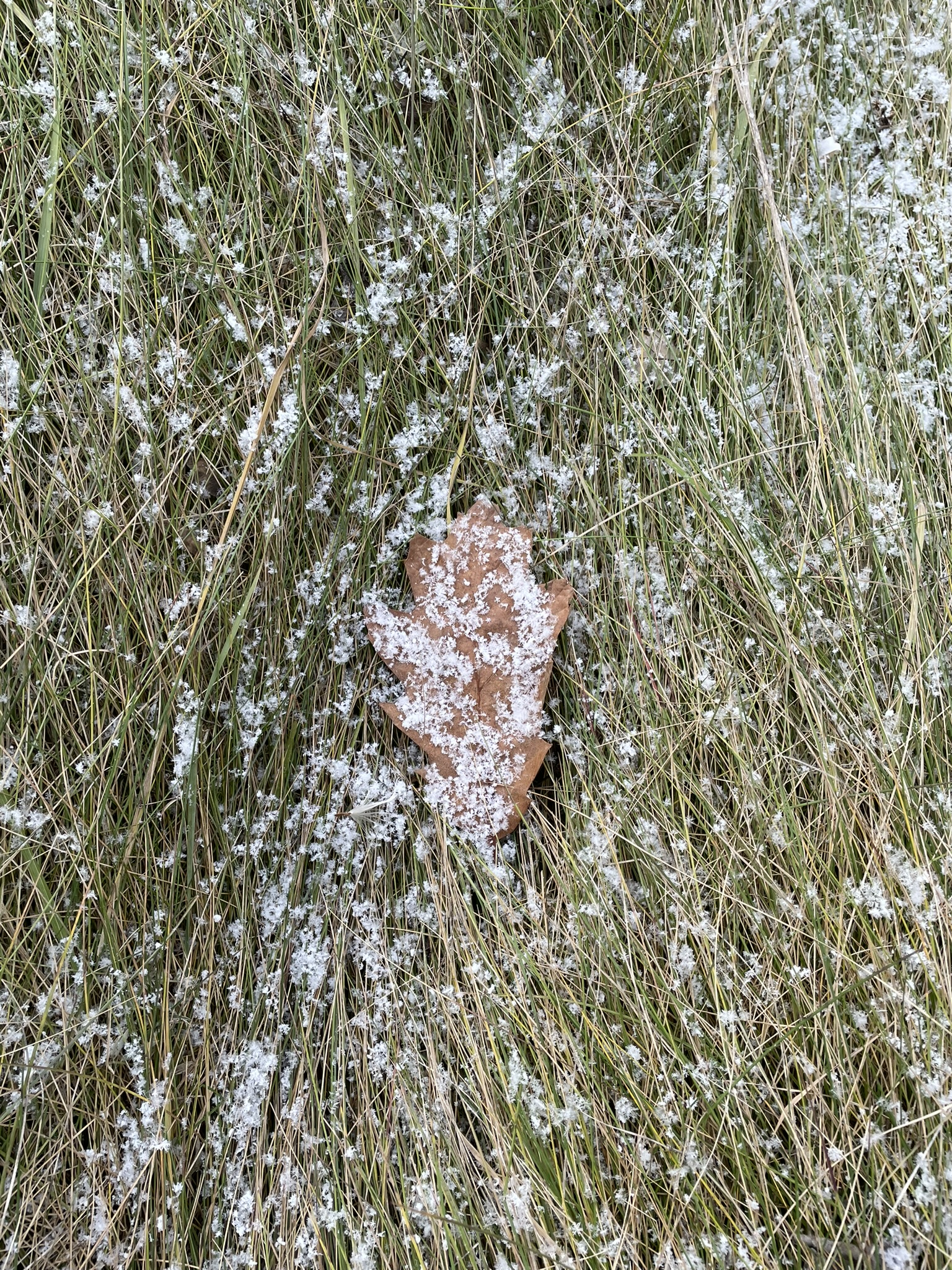
I walk my usual route, looking at the patterns of snowflakes on grass and leaves, hearing juncos and chickadees and crows. When I return to where the hawk was, forty minutes later, there is nothing but a few wisps of fur on the stump.

November 26: University of Guelph Arboretum

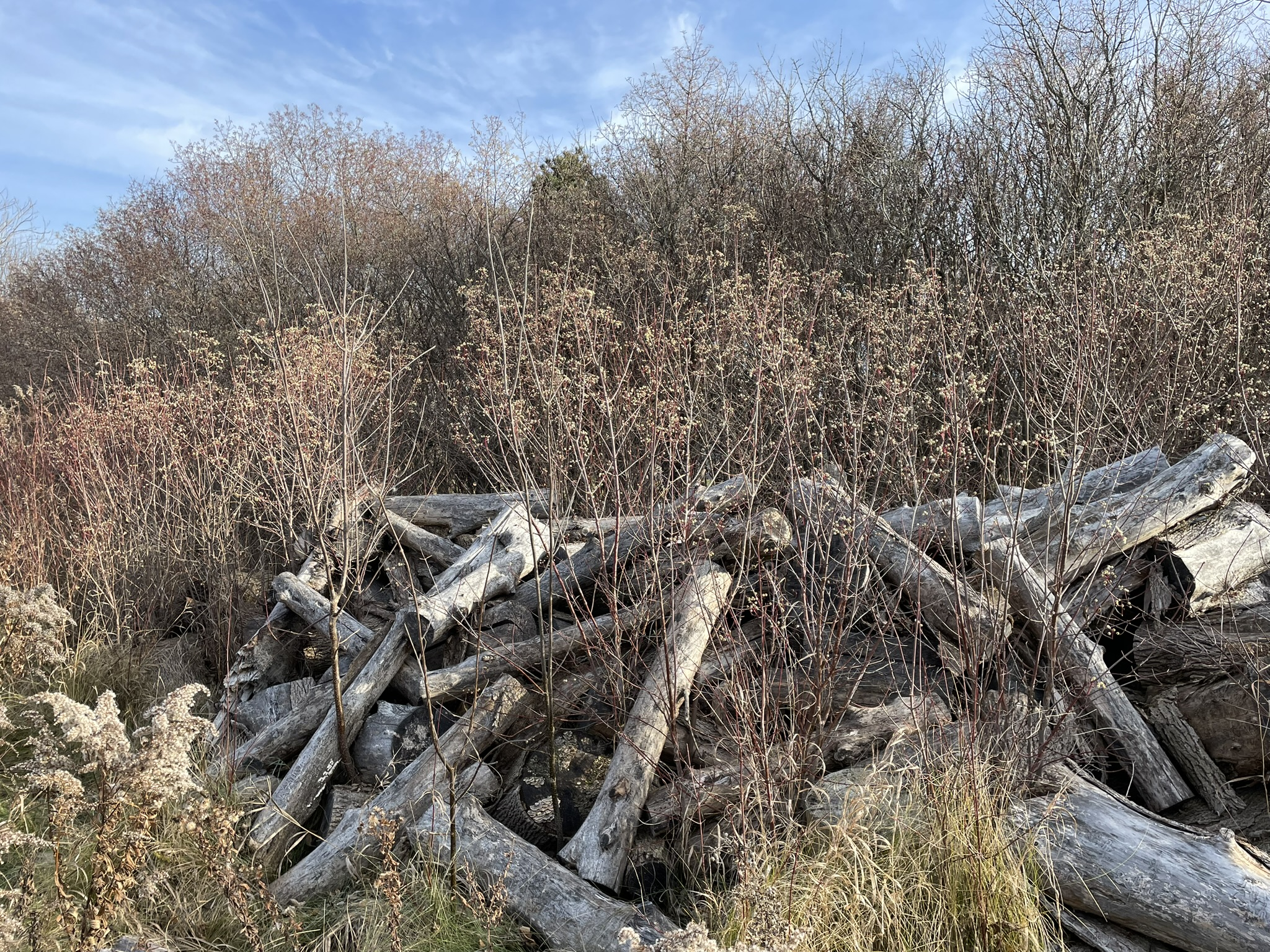
Still sluggish after my COVID shot, I walk slowly around my favourite paths. This location intrigues me: the pile of logs, the perennial plants, the white-berried shrubs (gray dogwood again?) behind them makes for excellent habitat. (The shrubs are full of cardinals this morning, feeding.) If there’s snow on the ground before we leave for England in early January, I’ll come back here to look at the tracks leading in and out of the logpile, to see what stories they tell.

When I’m almost back to the car, the many shades of brown of these red oak leaves catches my attention. On a cloudy day, they probably wouldn’t have, but in the morning sunshine they gleam, a patch of subtle beauty easily overlooked.

Spring, Week V

Rain, this morning, staccato against the skylight. Outside the water puddles in every low spot, overflowing to gurgle into drains. It’s been a week of contrasts and extremes. After the heatwave only a few days earlier, the week began with snow. Daffodils lay flat, and violets were edged with frost like sugar crystals. By Thursday, it was sunny and warm again, the snow long gone.

Over the river, one barn swallow hunted sparse insects alongside the tree swallows. The ospreys are all on their nests, and Canada geese hiss and snap at anyone who comes too close to their brooding partner.  Regardless of the vagaries of temperature and precipitation which my aging human sensibilities object to, the imperatives of spring continue. Reproduction is all, if enough food can be found to sustain life. If enough places remain to provide that food and nesting habitat.

Image by Brigitte Werner from Pixabay 

I sat at a picnic table on the university campus yesterday in 18C sunshine, listening to a cardinal sing from the Norway spruces.  Forty-five years ago, in my first year as an undergraduate at this particular university, I was doing the same.  The cardinal I was listening to then was a forefather of this one by at least fifteen generations, given the average length of a wild cardinal’s life. Little has changed in this spot, although slowly across the entire campus open ground—research plots and gardens and greens, old barns with open courtyards, old fields—has gradually been paved over, or built upon: more student housing, more parking lots, more teaching and research facilities, more sports fields. More land leased for private development, offices and retail. Even the Arboretum loses ground (literally) to research buildings and parking and managed plots. I doubt the cardinal notices, nor will the development affect it or its descendants much. Cardinals like gardens and shrubs and feeders.

But a huge swath of land once leased research ground will become housing in the next five years, and the woods and old fields and riverine habitat on either side of it will be under greater pressure, not just from a greater number of people (and dogs, and roaming cats) but from a desire for more sports fields and playgrounds rather than unkempt and wilder land. Already meadowlarks are sparse, and the sparrows and warblers that need scrubby grassland habitat.

My sense already this spring is that the birds are fewer; it’s my sense every spring now, and I think a valid one for most species. I can rejoice in ravens and sandhill cranes and bluebirds, and the ospreys and bald eagles—but the small birds of woodland and hedgerow and understory are largely disappearing. It’s not all recent; it’s not all climate change or pesticide use or avian viruses or fatal building collisions, but all contribute.

I’m noticing a reluctance to go walking some days, to be confronted by the sparsity of birds, and by woods and fields far too quiet—or disrupted by the sound of chainsaws and diggers. But—almost equally—I know I should, for a myriad of reasons that include bearing witness to what is being lost and appreciating what remains. The cardinal still sings.

Spring, Week III

Image by Brigitte Werner from Pixabay 

Winter birds are still here; spring ones are arriving. Somewhere between thirty and a hundred Bohemian waxwings can be found on the university campus most days, along the laneways between the research glasshouses and the cattle barn and stables, gorging themselves on winter-sweet crab apples. There are cedar waxwings mixed in, and always a few starlings and robins taking advantage of the bounty too. Disturbed, they fly up into the line of Norway spruce that wind-shelter the glasshouses, looking, in their dun and rufous and yellow shades, like a memory of autumn in bird form, but the fruit is too tempting: they’re back down in a minute.

On the ponds east and west of the city, at the old provincial jail and redhead and goldeneye, bufflehead, ring-necked duck and hooded merganser are resting and feeding, and if you’re there early enough in the morning, there’s usually a loon that came in for the night. Here it’s all about contrast, at least in the males: dark shades of green and blue-purple and auburn against white, sharp and bright. See how strong I am, and what good genes I have, is the message: beauty to human eyes is a coincidence. But beauty there is.

Victoria Woods this week is still all duns and greys: tree trunks and dark water, winter-bleached leaf litter and rock. Only the bright green of moss patches brightens the forest floor. But at the pond, I flushed two pairs of wood ducks, a glimpse of colour. They’ll stay, nesting in hollows in the trees that overhang the water. At the edge of the wood, phoebes are calling, always the first of the flycatchers to return. Their high fee-beee, fee-beee is a sharp, welcome sound in the cold air.

Image by Oberholster Venita from Pixabay

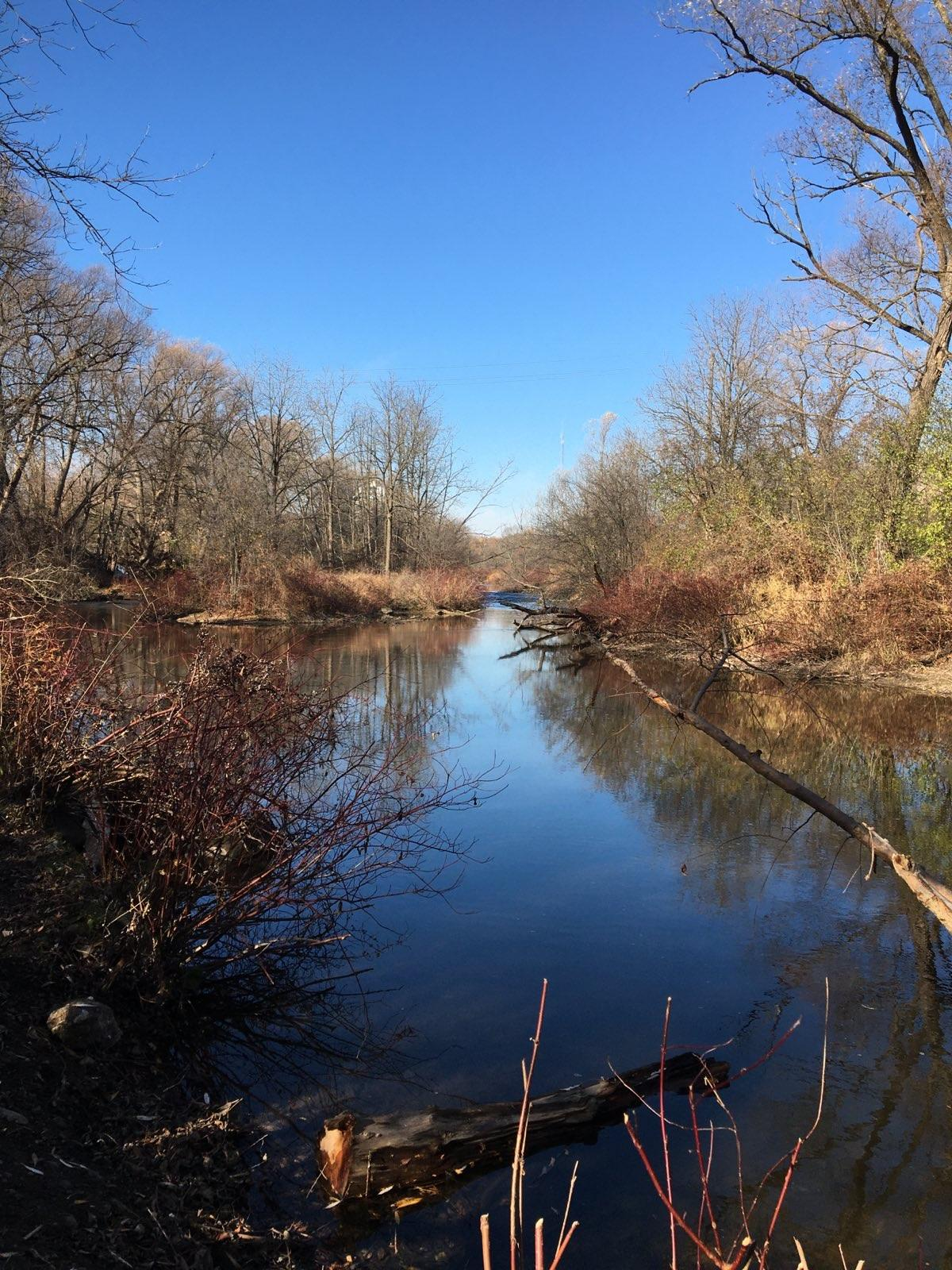
Snowmelt and rain mean the rivers are high and the ground is saturated, ephemeral ponds covering paths. There are few ducks at the river confluence: why use energy fighting the currents when there are plenty of still ponds to be found? The water bubbles and splashes over the rocks and weirs by the mill ruins: a good dipper stream, my mind says, even though I’m on the wrong side of the Atlantic. A flash of blue streaks across the stream: a kingfisher.

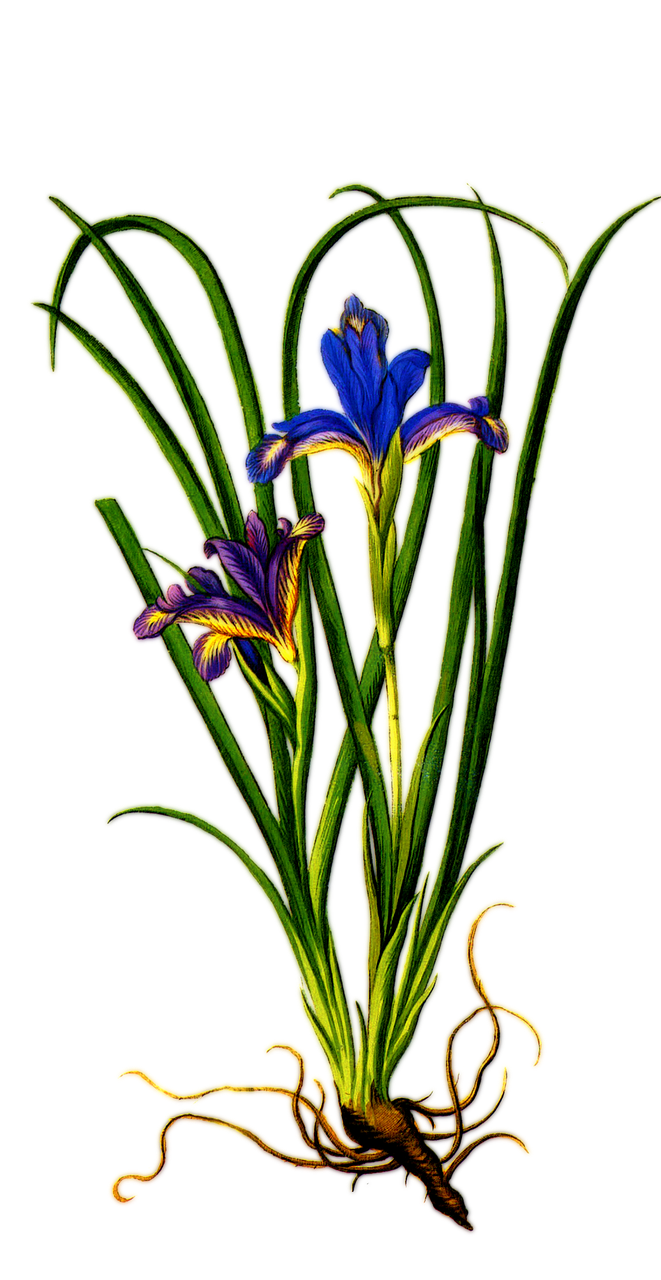
There’s still frost in the mornings: -5C today at 7 am. But there is real warmth in the sun now, and so the ice melts quickly. The first of the species iris is in flower in the front garden, narrow deep purple petals with yellow at the heart. We’re promised temperatures in the high double-digits next week, and if so, spring will pop. Buds will swell, coltsfoot will bloom, and more birds will move north. But cold, fast moving water also means blackfly, the bane of my springs. Perhaps I’ll have a few more days without them.

A Long(ish) Walk

November 10th, and the forecast says warm and sunny. It is, I suspect, the last warm day of the year, and I’m not going to waste it. The wind gusts are forecast to be 35 – 40 kph, however, so it’s not a biking day. I decide, on the spur of the moment, to walk to Riverside Park along the river trails.

Brian joins me for the first part of the walk through the Arboretum to the Eramosa River trail. We follow the paths through Wild Goose Woods, then the old gravel pit and on to Victoria Woods. It’s quiet, aside from the drumming of a hairy woodpecker, the occasional chirp of a junco, and the familiar, cheery call of chickadees. We cross College Avenue, walk up the gravel road, and turn off onto the new Arboretum Side Trail that links the Arboretum trails with the river trail. Where it comes out on Victoria Road, just north of the bridge, we part company: Brian to walk the eastern trail section out to Stone Road, I to head west towards the confluence and the Boathouse.

Lots of dog walkers out, as usual, on this part of the trail. But good dogs, ignoring me. At Lyon Park I leave the river, cross York Road, and walk up through the Ward along Ontario Street to downtown. I’m cheating a little, not staying on the river, but it saves me a couple of kilometers—and anyhow, I like the Ward. We used to live here, and its eclectic mix of houses, old stores that are now houses (some with the signs, painted on the brick, still visible), big vegetable gardens, and old factories being converted to apartments still feels a bit like home.

St George’s bells are ringing ten o’clock when I reach downtown. I’ve been walking nearly two hours; it’s time for a coffee break. My favourite café is closed for renovations, so I choose another on the other side of St George’s Square and settle down with a café latte and an almond croissant. Not too long a break, though, or I’ll stiffen up.

So it’s not too long before I’m up and moving again. Down to Goldie’s Mill Park, and now I have a choice. The paved trail that parallels the railroad tracks out to Speedvale, or the Rapids Side Trail, a hiking trail that drops down to the banks of the Speed? It’ll be rougher, and a bit rugged in places…but it’s right at the river. If there are going to be birds anywhere, they’ll be at the river. I turn onto the blue-blazed side trail.

Speed River from the Rapids Side Trail

There are juncos and chickadees, and two squabbling downy woodpeckers, and a host of Canada geese and mallards on the river. It’s hard to believe I’m in the middle of Guelph. It’s a lot more interesting than the paved trail it parallels (as much as I like biking that one!) At a marshy area a few hundred meters before Speedvale, the path turns back to meet the paved trail.

I cross Speedvale in a break in the traffic, and now I’m in Riverside Park. Slowly, because my feet hurt by now, I walk along the bank of the river, looking at the gulls and waterfowl. There can be unusual ducks here, but not this year. I make my way up to the footbridge, cross the river, and find a bench to sit on for a while. I’ve walked about 10 km, on a whim.

But I take the bus home!

(P.S. -regardless of what Google Maps shows, it took me a bit over three hours, not including breaks.)

Walking Downtown

The past two Sundays I’ve had writer-group meetings downtown in the early afternoon, and on both days I’ve chosen to walk. It’s about 4.5 km (2-3/4 miles) by the most direct route; it takes me about an hour, and it’s a walk I’m growing to love again: we used to do it all the time, back in our university days, but those were thirty-five years ago.

The first part of the walk takes me through the university campus, on its bricked walkways, walking between buildings that range in age and architectural style from the limestone houses of the 1870s to the concrete, wood and glass of the twenty-first century. Only a few students are out and about so the wide walkways aren’t crowded, unlike Monday to Friday. I cross College Avenue and follow a minor path behind MacDonald Hall, in all its red-brick and terra-cotta glory, to University Avenue – and then down a footpath that joins two dead-end streets that more-or-less parallel the main road to downtown. The footpath follows the road allowance, it’s unmarked but partially stabilized with pavers, and I have never known if it’s an official city path or not, but I’ve been walking it for over thirty years and there are no signs to tell me not to.

This brings me out onto Gordon Street, the main road, a steep-ish downhill and busy, but the sidewalk is wide and I only have to use it for 600 m or so. At the bridge over the Speed River I stop to look at the waterfowl: Canada Geese and mallards at the confluence with the Eramosa, and a few ring-billed gulls. Just beyond the bridge is the Boathouse, home to ice-cream and canoe rentals in the summer months, afternoon tea well into December, and the point at which I turn and walk along the gravel driveway to the covered footbridge over the river.

I remember the bridge being built: in 1992, the Timber Framers Guild held a conference in Guelph, and 400 volunteers built this bridge to an 1880’s design, raising it by hand. It was an impressive project, and an important one, because it meant the river trails on either side of the Speed were now continuous. We lived for a decade or so at the far east end of the river trail, and I would walk home from work at the university down Gordon Street and across the bridge, along the trail and home. And vice versa, in the morning.

But now I cross the bridge and turn left, away from the river and towards downtown. I walk up past the Armoury and into downtown proper, find the cafe where the meeting is, buy a coffee and start talking.

Two hours later and it’s time to come home, after a short detour to buy a loaf of bread from one of the downtown bakeries. I have two choices: I can re-trace my steps from earlier, or, at the covered bridge, I can turn east and walk along the river trail to Victoria Road, watching the river for bird life, greeting the dogs out for walks, and avoiding tiny children learning to walk or ride bikes along this safe trail. At Victoria, I turn south, up the hill, walking here on a wide road shoulder for a few hundred meters until a trail turns west into the University’s Arboretum. From here I can follow the trails and gravel roads back to the University gates on Stone Road, and cross the road to home. It’s longer: it takes me about ninety minutes to walk that way, but it’s a lovely walk.

Last Sunday I came home through the longer way; today I chose to retrace my steps. Another day I may go downtown by the long route and come back up Gordon Street hill. There is always something to see: I can stop to look at architectural detail on campus, or watch a soccer practice; on the walk down Gordon the spires of the Basilica dominate the skyline. The downtown itself I never tire of. And if I choose the river-and-arboretum walk, I’m guaranteed some birds, even if it’s just a flock of friendly chickadees. Yes, it takes me two hours at a minimum. But I plan to walk for at least two hours every day, and if some days that walk is in the city rather than the fields and woods of the Arboretum and the river, well, it fills a different need. And not just because I can stop at the Boathouse for a pastry!