
Season’s Change
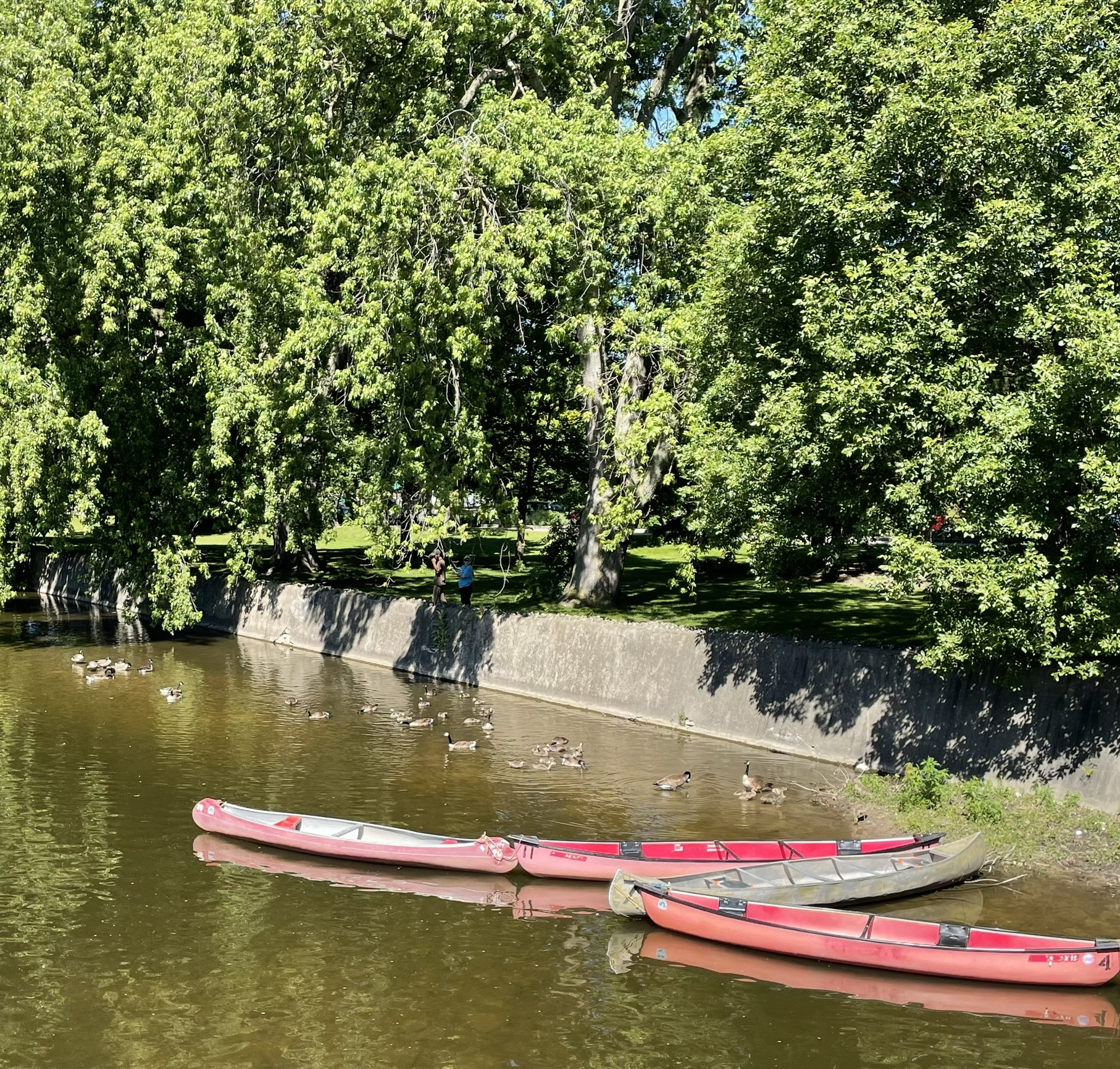
Two flotillas, one of canoes, one of Canada geese. The geese and the canoeists and kayakers on this stretch of river where the Speed and the Eramosa meet are forgiving of each other, tolerant. The geese are used to getting their way on land: walkers and cyclists circle wide around them, and cars routinely stop for the parade of adults and goslings crossing the road. But in the water, there’s a greater equality.
Astronomical summer starts tomorrow. (Meteorological summer is nineteen days old.) I haven’t been birding in some time, not properly, except for a walk in a riverine woods southwest of Cleveland last week. Carolinian forest mixed with some areas of succession from pond to marsh, and alive with birdsong that evening. Veery, blue-gray gnatcatcher, catbird, song sparrow. A redtail circled above us, and a red-winged blackbird carried a fat grub into the cattails for its nestlings. There were no mosquitoes.
Nor are there here, which worries me, especially in a wet spring. And not just mosquitoes: my car windshield, on a 1000 km round trip, had minimal bug splatter, not even enough to wash it. What else I notice, over river and pond, is a dearth of swallows. There are a few, tree and barn and rough-winged, but only a few. No insects, no swallows. I’ll be downtown tonight in the evening for a writing event. Will the swifts be hunting overhead, their high chatter announcing their presence, or will they too be missing?
My job this week, when June temperatures are reaching the high 30s (that’s Celsius) and with a humidex (aka ‘realfeel’) up into the 40s, is to keep the birdbath full. Even on a day of normal summer warmth the squirrels – red and grey – and the chipmunks, and the doves and goldfinches, robins and grackles – can empty it by midafternoon. I expect nocturnal visitors too – raccoons, perhaps possums – searching for water, although they, like the fox that trots by in the early morning most days will access the ponds.
What will this summer bring? The meteorologists are uncertain (of course) but the best guess is for hot and humid, weather that will bring severe thunderstorms and tornadoes. The summers of my childhood in the most southerly tip of Ontario, magnified and extended. The fox will hunt from dusk to dawn, and retreat to its den or a hollow under tree roots during the day. Squirrels will lie along branches deep in the canopy, flat and panting; the chipmunk will take refuge underground. Birds will fall quiet; in the deep summer silence, only insects (are there any?) will be buzzing, stridulating, whirring. This is what I remember. This is not what should be, here north and east of Carolinian Canada. This is what we have done.
What I’m reading:
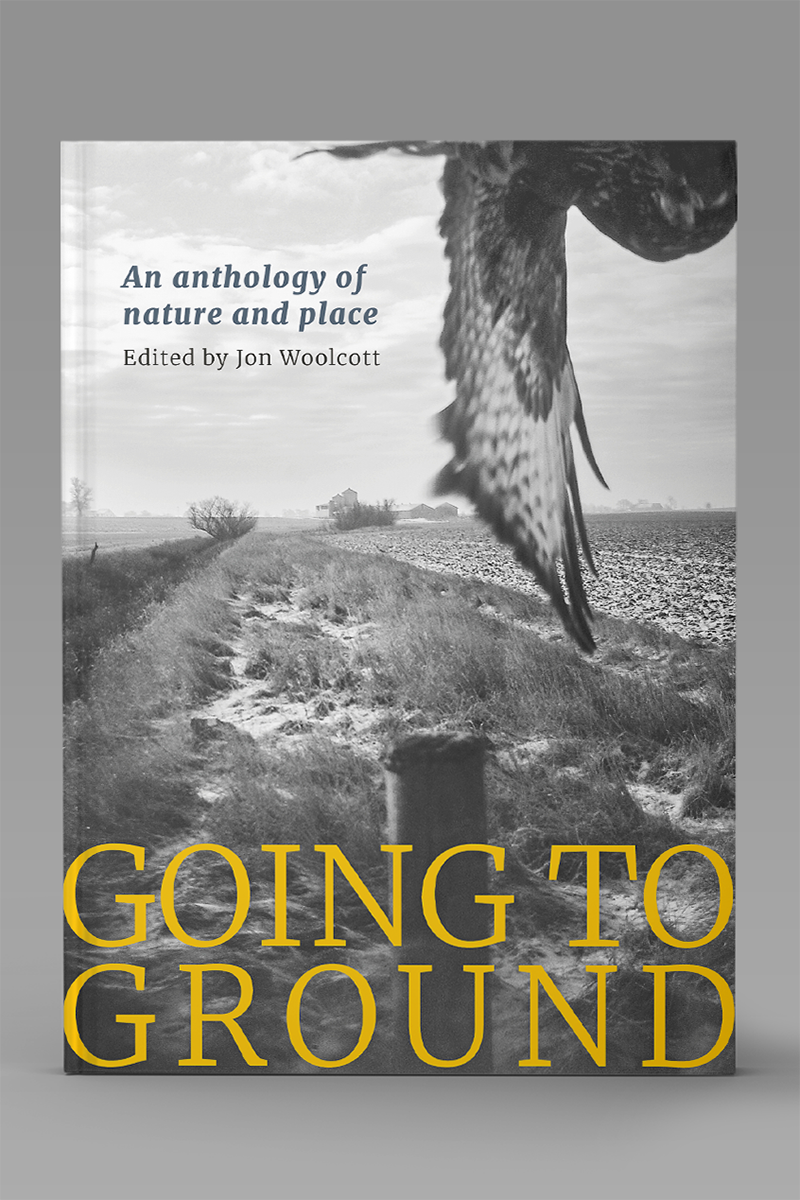
Little Toller, which, I believe, began life as a bookshop and is now a publisher of nature writing, also has on on-line journal called The Clearing, focused on writing about place and landscape. They published an anthology this year. I’m part of the way through it, taking my time with each piece. Thoughtful, lyrical, saddening, clear-eyed, these are essays to consider and reflect on.
In my other life as a writer of fiction, I often suggest to developing writers with whom I work to read about place and landscape, to understand how it shapes a person; that what looks bleak to one person is a place of calm to another; to see the histories and the stories underlying the land. This anthology would be a rich source of reading for that purpose too.
What I’m listening to:
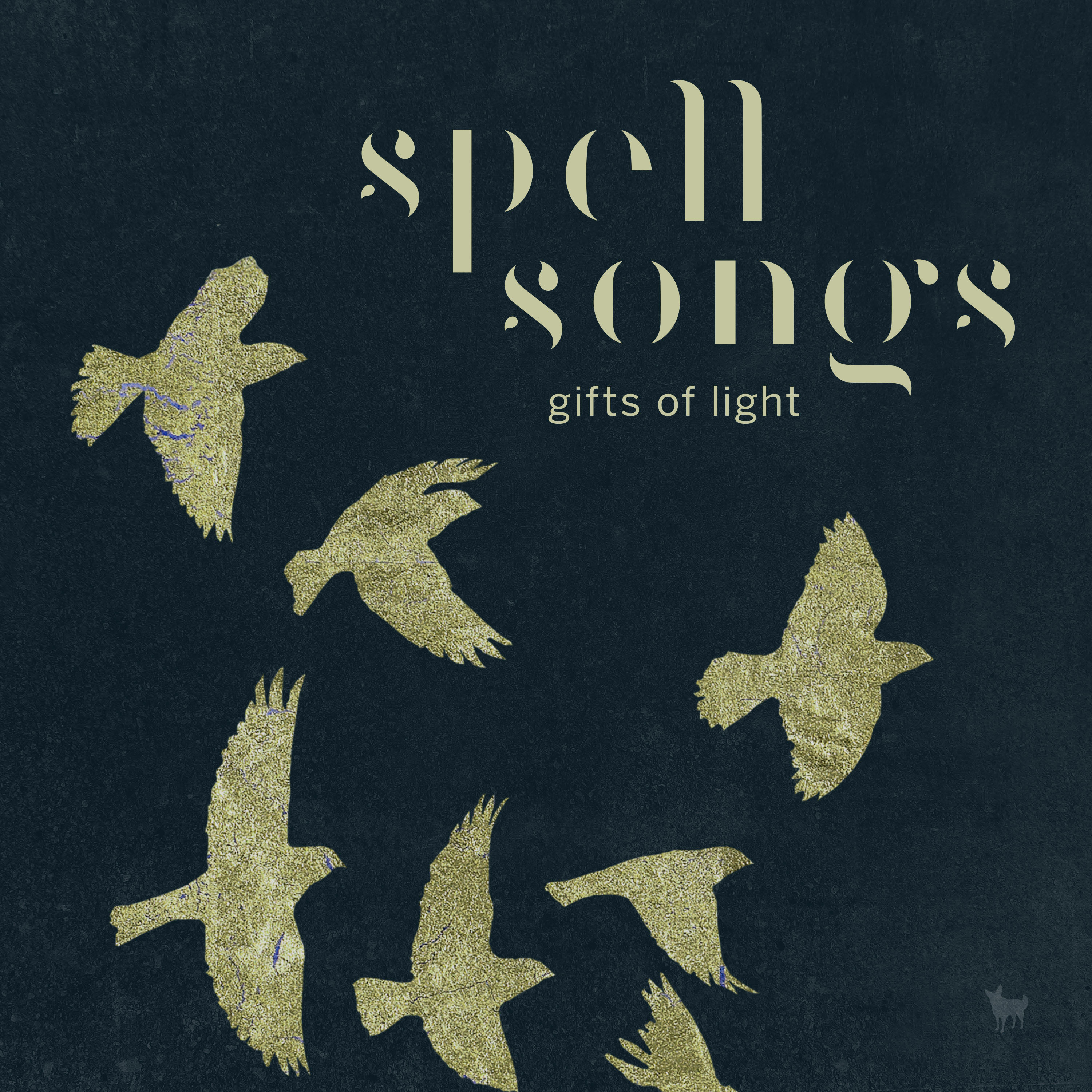
Drawn from the words and illustrations of Robert Macfarlane’s and Jackie Morris’s books The Lost Spells and The Lost Words, Spell Songs is purely wonderful.
Read more about its creation – and order it – here.
I found the album when my latest book, Empire’s Passing, was in the proof stage. One song – The Last Blessing – changed the final scene in that book, made it richer; another song, Curlew, has an oblique reference in the new book-in-progress. But even without that inspiration, I would love this album for the beauty of its lyrics and music.



 Random Ramblings