Ten Days of Spring

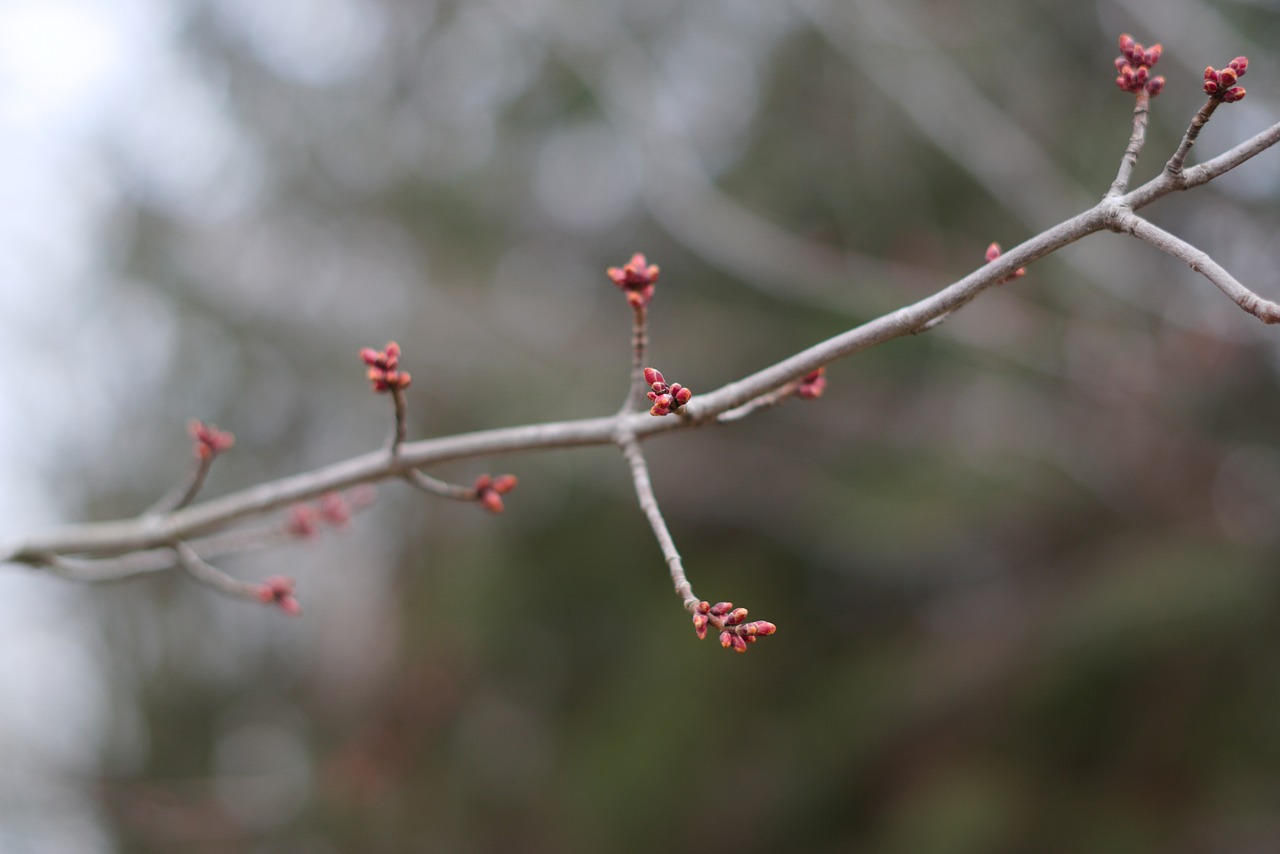
March 20: First day of spring, and two magpies in the field beside the track. Two for joy, the verse says. Blackthorn flowering, the hedgerows as white as the gulls following the ploughs. Plant barley when blackthorn flowers, but prepare too for a cold spell, blackthorn winter. There’s no hint of it in the forecast.

Blackthorn in flower. My photo.

March 21: Today brings primroses, pale yellow against the leaf litter of the woodland, and cowslips in a greening meadow. A fox redder than terra cotta emerges from the hedge, sees us, leaps away, its brush full and the white tip gleaming. Chiff-chaffs see-saw in the bushes every twenty paces or so; dunnocks and robins and wrens sing in the spaces between. Willows are greening; the verges are verdant with alexanders, and the fields ring with pheasant calls, survivors of the winter’s shoots.
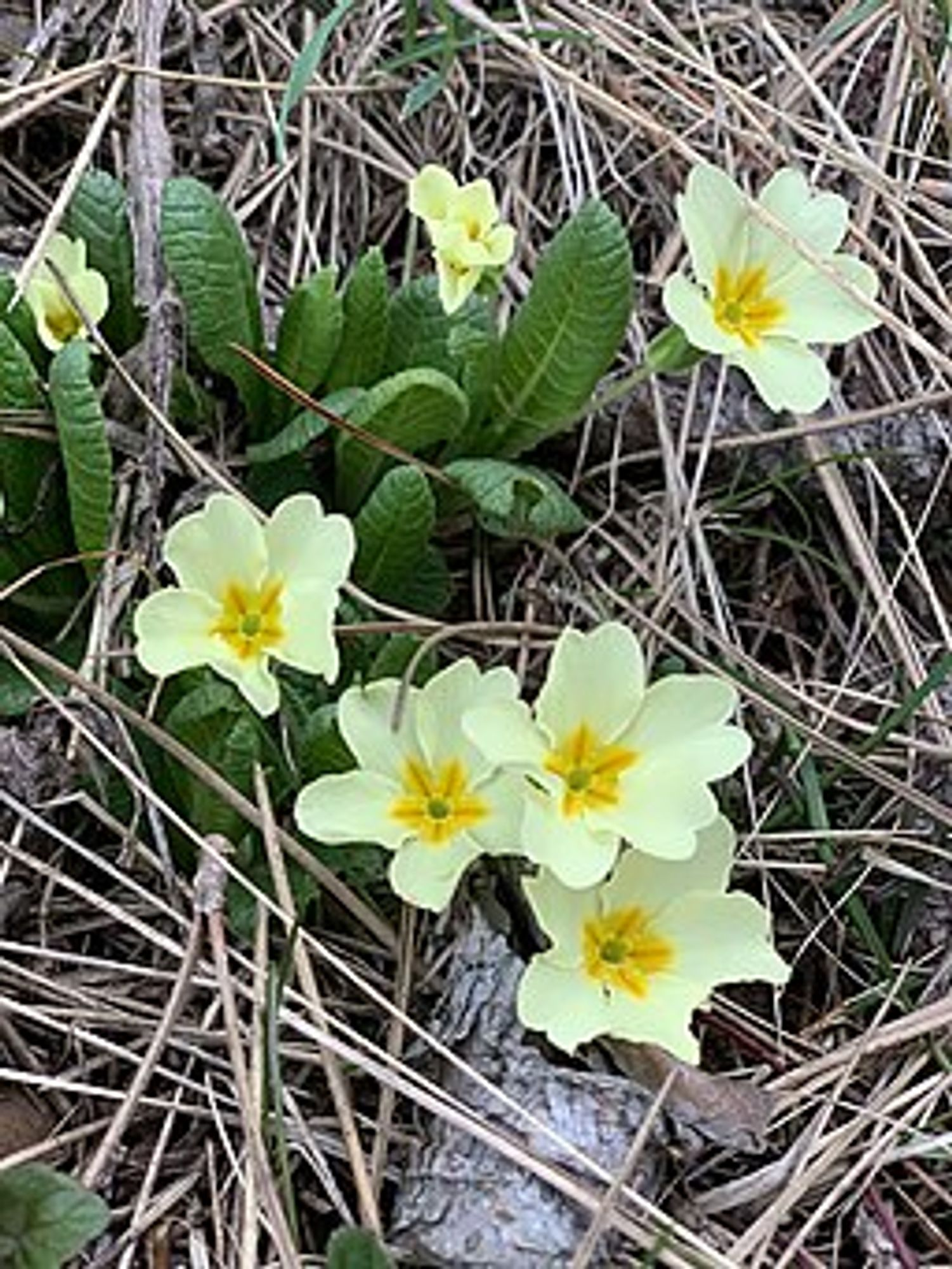
Primroses on a forest floor.
Alexandra Kaganova, CC BY 4.0 <https://creativecommons.org/licenses/by/4.0>, via Wikimedia Commons

March 22  : Greenfinches buzzing all along the footpath this morning; queen bumblebees out foraging; a wood pigeon on its nest. In the next village, magnolia petals litter the pavement, bruised pink and white.
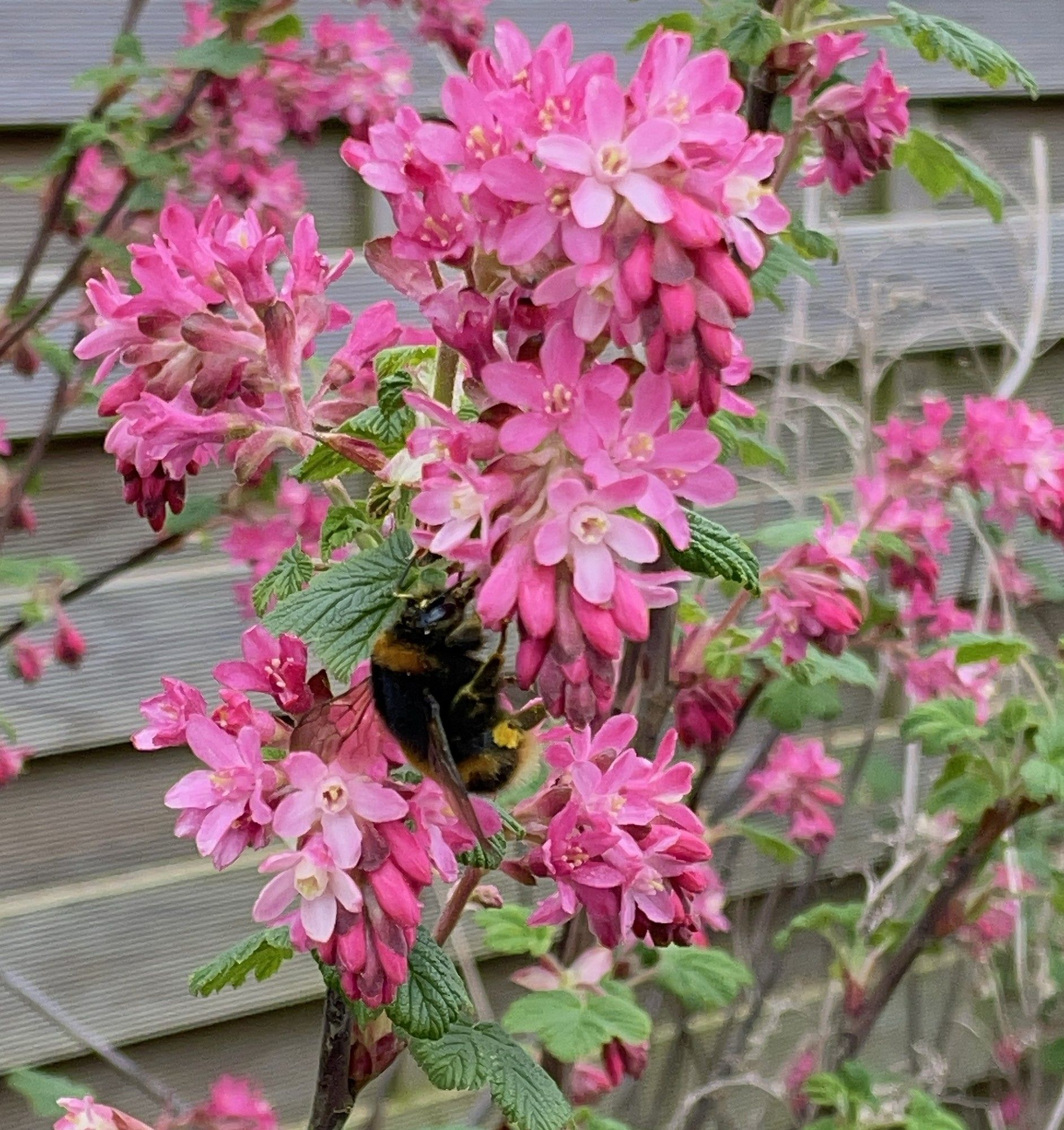
Buff tailed bumblebee on pink ornamental currant flowers; my picture.

March 23: The world is wind-whipped today, clouds moving southwest in towers of grey; blue sky winking in and out. A jackdaw sails by with nesting material in its beak. Petals from the ornamental prunus in the garden blizzard down.

Image by 3238642 from Pixabay

March 25: Marsh harriers drift over the marsh; a blackcap sings in the woods. Brent geese in their evening dress graze the short grass; in the reeds, a Cetti’s warbler staccato song explodes.
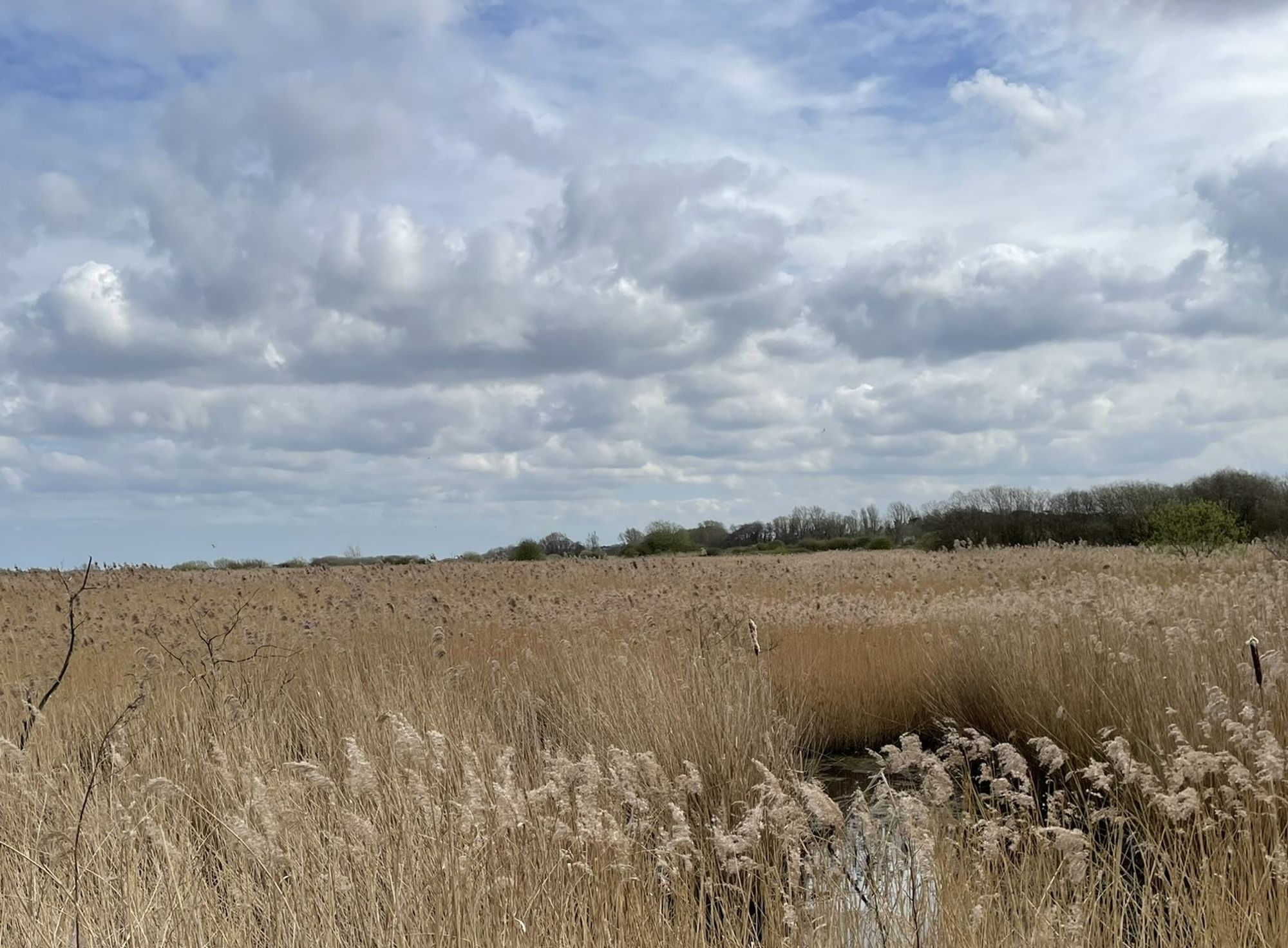
Reedbeds under a blue sky half-covered by puffy clouds. (Titchwell RSPB reserve, my photo).

March 26: A continuous chorus today: skylark from the heights; lower, wren & dunnock, robin & chaffinch, blue tit & chiffchaff, late redwings. Bee-loud hedges bright with blossom, hung with butterflies – brimstone, comma, peacock. Buzzards drift in the blue sky.
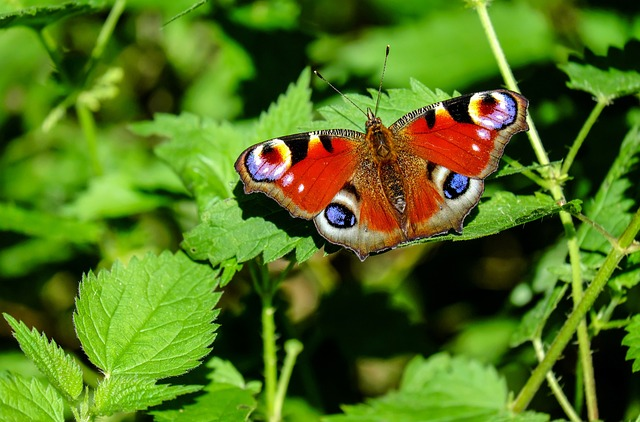
Image by Couleur from Pixabay

March 27: The train took me to London and back again. In King’s Cross station, pigeons cooed from atop a sign. From the train, swans grazed in the Cambridgeshire fields; rooks carried nesting material; red kites circled. Willows were greener on the afternoon journey than in the morning.

Image by snibl111 from Pixabay

March 28: A nuthatch yelps from high in a bare oak; coal tits tell the world ‘it’s me, it’s me’ from low branches. In the meadow, a jay forages among shelduck and Egyptian geese. A silver squirrel climbs a stump. The larches are bright green with new growth; new leaves unfurl on the brambles.

Photo by: Mmparedes, CC BY-SA 2.5 <https://creativecommons.org/licenses/by-sa/2.5>, via Wikimedia Commons

March 29: Yellowhammers sing from the hedgerows, still white with blackthorn blossom in places. Hares streak across flinty fields or gather in groups in the young wheat. A pair of lapwings circle and cry: will they nest? (Will the nest survive, if they do?) Oystercatchers patrol the furrows; a line of fallow deer crosses the skyline.

Photo by caroline legg, CC BY 2.0 <https://creativecommons.org/licenses/by/2.0>, via Wikimedia Commons

High Summer

End of July.  High summer, but with the first intimations of autumn: grain ready to harvest, returning shorebirds, ripening fruit. In southern Ontario, in this year of wildfires and heat domes, floods and record temperatures, El Ninõ has given us a summer from my youth: warm, occasionally hot; humid, with many afternoons ending with thunderstorms.

The ornamental cherries and crabapples that line the streets of my community and the university grounds are heavy with fruit, branches weighted down. Everywhere vegetation is lush and green, rain-and-sun fed. Rivers are high, ponds are full.

On the nest occupying a light standard at the university playing fields, an osprey is calling. I watched the pair nest-build earlier in the year, one breaking off dead branches from trees in the adjacent maple swamp in mid-flight. Then, inexplicably, they abandoned the nest, only to reappear a few weeks later. Young birds, I assume, this year’s nest a practice one, playing house. I’m curious if they’ll return next year.

Image by Manfred Richter from Pixabay

Roadsides are in full bloom: Queen Anne’s lace, chicory, birdsfoot trefoil, teasels. Purple and yellow and white, the chicory adding a rare blue. All European introductions, better suited to the artificial prairie of roadsides than the local, native wildflowers of the Great Lakes Forest that once covered this area. What native prairie plants could be here instead? Joe Pye weed? Bluestem grasses? I should know; I would have, once. It annoys me that I no longer remember, knowledge crowded out by other interests and concerns.

Image by Brett Hondow from Pixabay

The garter snake that slid out from the roadside onto the tarmac of the road, perhaps seeking warmth, doesn’t know those plants aren’t native; they provide a hunting ground for insects and perhaps mice. I managed not to run the snake over with my bike, just. I stopped a few feet ahead to watch it, cognizant that a bus approached. But the bus, unlike my bike, appeared to send enough vibration through the road surface to warn the snake. It slithered back into the vegetation and disappeared.

Image by David from Pixabay

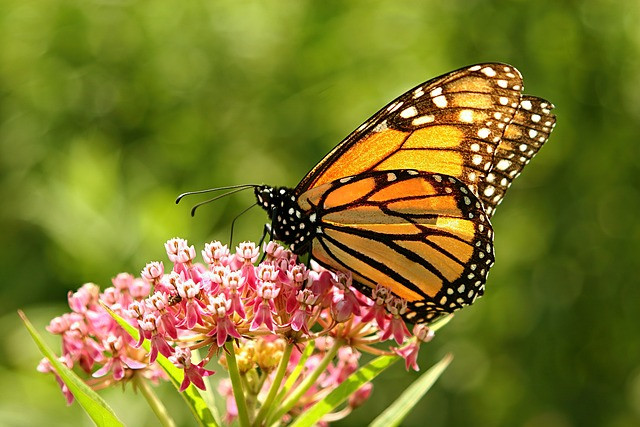
A monarch butterfly half-flies, half-floats by, perhaps heading for the stand of swamp milkweed that borders the stream I’ve just passed. I’m seeing more this year, consistent with the recent data from Journey North, and hopeful.

Days like this—the weather, the wildflowers, the monarchs—blur time, especially as I ride along the gravel road in the north half of the university’s arboretum. I could (if I forget the creaky knee, and all the tasks waiting at home) be ten again, riding the farm lanes and unpaved roads of my home town, summer-free.

Planted in Pennies

Well, this is a first – I published this to the wrong blog!

‘I’ve been thinking about seeing. There are lots of things to see, unwrapped gifts and free surprises. The world is fairly studded and strewn with pennies cast broadside from a generous hand. But—and this is the point—who gets excited by a mere penny? If you follow one arrow, if you crouch motionless on a bank to watch a tremulous ripple thrill on the water and are rewarded by the sight of a muskrat kid paddling from its den, will you count that sight a chip of copper only, and go your rueful way? … if you cultivate a healthy poverty and simplicity, so that finding a penny will literally make your day, then, since the world is in fact planted in pennies, you have with your poverty bought a lifetime of days. It is that simple. What you see is what you get.’

Annie Dillard, Pilgrim at Tinker Creek

I…

View original post 364 more words

Equinoctial Thoughts

I left spring behind in England, missing the reported return of chiff-chaffs to Norfolk by two days. I’d heard of other migrants arriving—stone curlew to a secret site, for one—at the same time the last of the winter redwings were leaving, heading north. The blackthorn was in full flower, the local woods were full of primroses between the stiff green stalks of bluebells poking through the leaf litter, and the wood pigeons were courting in the garden.


Outside my window there is freshly fallen snow, on top of the several centimeters already on the ground. Tomorrow is the first official day of spring, and the forecast is for warmer weather, but also for more snow, falling in the cold nights.


But I will have a year of two springs. Already the turkey vultures are back, and the hooded mergansers; red-winged blackbirds buzz in the swamps and flocks of tundra swans whiten corn stubble fields a little further south and west. Sap is rising; maple syrup is being made.


Over the nine weeks I was in England I watched the field across the road go from stubble to fresh-ploughed soil, gulls and rooks following the tractor, to the hazy green of an emerging cereal. The belt of trees up on the hill changed colour subtly, the dull grey of winter overlaid with the golds and pinks and greens of swelling buds. The blackbirds and robins began singing earlier every day, and continued later.


It’s harder here in my suburban bungalow to watch the gradual shift into spring than it was in my edge-of-village house in England. But I intend to return to paying attention this year. Almost fifty years ago, the first serious writing I did was a journal of the coming of spring to my southern Ontario home, a project sadly interrupted by mononucleosis and a month of exhaustion. That too was from an edge-of-village, mostly rural setting. But I have easy access to woods and fields, rivers and parkland, and little excuse not to observe and record. A.E. Houseman wrote:

Now, of my threescore years and ten,
Twenty will not come again,
And take from seventy springs a score,
It only leaves me fifty more.

And since to look at things in bloom
Fifty springs are little room,
About the woodlands I will go
To see the cherry hung with snow.

A Shropshire Lad

Of my threescore years and ten, sixty-five will not come again. So I shall go look at things in bloom, and listen to birdsong, and watch the gradual transformation of a winter world.

Image by Noma Lotern from Pixabay 

Elemental Norfolk

I wrote this poem a number of years ago, after we started spending a couple of weeks over the turn of the year in England. It was one of my first published works.

Earth

Lane and common, heath and ploughed ground

Lie frozen underfoot. The lands

Decline to the sea: downland and saltmarsh

Diked and ditched by countless hands

Against the sea and winter floods.

Beyond the marshes, the named sands

Will rise and fall with the tide.

Air

Skiff and windpump, sails of cloth and wood,

Are battened down and still. The gust

Strikes salt and icy; harness and rigging,

Tarred and treated for rot and rust,

Await the end of winter’s gales.

Above the marshes, the wind’s cold blast

Will rise and fall with the sun.

Fire

House and cottage, farm and village row

Sit tightly closed and warm. Fire

Kindles in the hearths; desire and habit

Pruned and piled the garden pyre

Against the night and winter’s end.

Beside the marshes, the year’s bonfire

Will rise and fall with the wind.

Water

Stream and river, pond and open broad,

Wait silently for spring. The snow

Bleaches all colour; hedgerow and reedbed,

Trimmed and tight in winter’s throe,

Withstand the wind and killing frost.

Within the marshes, the water’s flow

Will rise and fall with the moon.

© Marian L Thorpe

Image: John Crome, Moonlight on the Yare, Public domain, via Wikimedia Commons. Original in the National Gallery, London.

Book Launch Night! and some freebies.

This evening is the official launch of Empire’s Hostage, Book II of the Empire’s Legacy spinesseries.  It’s being held in a bar downtown, one that is part of an independent bookstore/cinema/restaurant complex that hosts many cultural events, from book launches to indie bands to art shows to indie filmmakers. I’ve invited a couple of other writers to share the stage with me, a poet and a novelist. (I figured that way their friends would come too!)

So how do you spend the day prior to a book launch?  I practiced the excerpt I’m reading one more time. I packed bags with books and cash, raffle tickets, tape, pens, business cards, bookmarks, a receipt book.  That took maybe an hour.  Otherwise…

I went grocery shopping. I did laundry, and made beds. I cleaned bathrooms and bedrooms and the kitchen. I made cookies. Because I have family coming for the launch, and staying overnight, and needing…

View original post 64 more words

Second Books are like Second Children

I’m the third sibling of three…the baby.  My father was an amateur (and then professional, for a while) photographer.  There are hundreds of pictures of my sister, the oldest. (Remember this was 1948, when black & white film had to be hand-developed.) Hundreds. 

When my brother came along, six years later, there are fewer.  A couple of requisite baby shots, the christening, a few more.  But his presence clearly wasn’t as exciting, didn’t need to be recorded in the same way.

This is fairly typical, from what I’ve seen with the photos and video of my nieces and nephews, too.  The first baby gets a lot of attention; the rest…not as much. (There are even fewer photos of me.)

And that’s pretty much how I’ve been reacting to the publication of my second book, Empire’s Hostage. Yes, I’m pleased to see it in print. I’m doing my part to…

View original post 161 more words

Catching Up

Posts have been few and far between recently….my apologies.  Here’s why.  I’ve just finished printing and framing twelve new versions of graphic prints, to be included in atepsave1 cutout351display of eighteen of my works that I’m hanging next Wednesday.  I also completed Empire’s Hostage, Book II of the Empire’s Legacy Series, this week, prepped the files for printing, and sent them off – just waiting now to get the first proof edition. cover ebook under 2MB smaller This was also the last week of the on-line university course I’ve been taking, on the landscape archaeology of Britain…and then there’s been the community newsletter, the community herb garden, retirement parties to attend, books to edit, the kitchen cabinets to prep for painting (next week!), and all those little things – like grocery shopping and meal prep and time with friends – in-between.

“Retirement” still seems to involve twelve-hour days – I’m usually started on the…

View original post 307 more words

Roddons

This is the creative non-fiction piece I read at the Guelph Spoken Word evening, Grounded, on April 22nd.  The theme of the call for submission was ‘exploring our relationship with our landbase’ (in honour of Earth Day).

roddon, also written as rodham, is the dried raised bed of a watercourse such as a river or tidal-creek, especially in the Fen District of East Anglia in England. (Wikipedia)

Beyond the village, west towards that great bay of the North Sea called The Wash, flat fields of barley and wheat, latticed with ditches, lie on either side of the right-of-way out to the water. Once, this was marsh, and from the satellite images on Google Earth, the patterns of waterflow can still be seen, like a ghost, or a memory, held in the soil. Roddons, they are called, these traceries remembered in the land.

I grew up with stories of this…

View original post 975 more words

What may still lie between the mountains and the sea….

“…will you face east with me, and bow to that memory, and to what may still lie between the mountains and the sea?” 

Those enigmatic words seal a truce called in the fifteen-month war between the Empire and Linrathe, the country north of the Wall, binding the Emperor Callan, the Teannasach Donnalch, and their people. But in additional surety of peace, the truce requires hostages, children of the leaders. 

Lena is a Guardswoman on the Wall when this peace is negotiated, one of many women who rode north to defend their land. When the General Casyn asks her to take the place of one of his daughters as a hostage, Lena agrees, to learn that she will be sent to a Ti’ach, a house of learning, for the duration of the truce. Here, perhaps, she can learn more about the east, and what its place is in the history of…

View original post 135 more words