Spring, Week III

Image by Brigitte Werner from Pixabay 

Winter birds are still here; spring ones are arriving. Somewhere between thirty and a hundred Bohemian waxwings can be found on the university campus most days, along the laneways between the research glasshouses and the cattle barn and stables, gorging themselves on winter-sweet crab apples. There are cedar waxwings mixed in, and always a few starlings and robins taking advantage of the bounty too. Disturbed, they fly up into the line of Norway spruce that wind-shelter the glasshouses, looking, in their dun and rufous and yellow shades, like a memory of autumn in bird form, but the fruit is too tempting: they’re back down in a minute.

On the ponds east and west of the city, at the old provincial jail and redhead and goldeneye, bufflehead, ring-necked duck and hooded merganser are resting and feeding, and if you’re there early enough in the morning, there’s usually a loon that came in for the night. Here it’s all about contrast, at least in the males: dark shades of green and blue-purple and auburn against white, sharp and bright. See how strong I am, and what good genes I have, is the message: beauty to human eyes is a coincidence. But beauty there is.

Victoria Woods this week is still all duns and greys: tree trunks and dark water, winter-bleached leaf litter and rock. Only the bright green of moss patches brightens the forest floor. But at the pond, I flushed two pairs of wood ducks, a glimpse of colour. They’ll stay, nesting in hollows in the trees that overhang the water. At the edge of the wood, phoebes are calling, always the first of the flycatchers to return. Their high fee-beee, fee-beee is a sharp, welcome sound in the cold air.
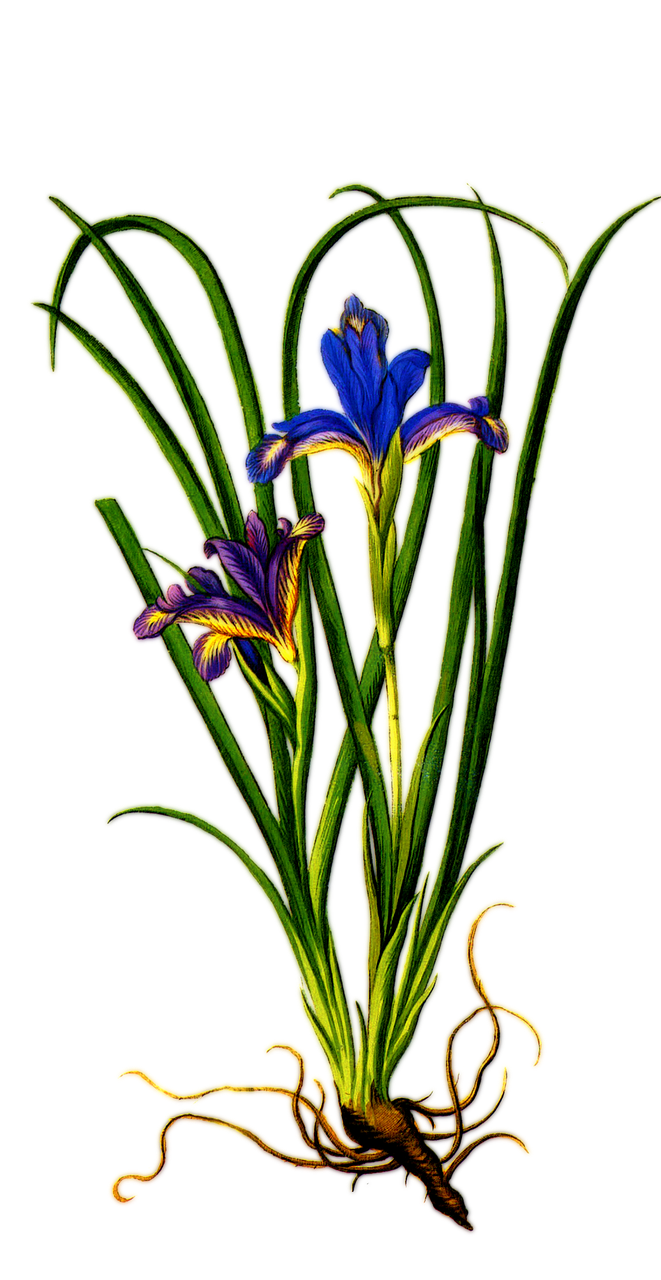
Image by Oberholster Venita from Pixabay

Snowmelt and rain mean the rivers are high and the ground is saturated, ephemeral ponds covering paths. There are few ducks at the river confluence: why use energy fighting the currents when there are plenty of still ponds to be found? The water bubbles and splashes over the rocks and weirs by the mill ruins: a good dipper stream, my mind says, even though I’m on the wrong side of the Atlantic. A flash of blue streaks across the stream: a kingfisher.

There’s still frost in the mornings: -5C today at 7 am. But there is real warmth in the sun now, and so the ice melts quickly. The first of the species iris is in flower in the front garden, narrow deep purple petals with yellow at the heart. We’re promised temperatures in the high double-digits next week, and if so, spring will pop. Buds will swell, coltsfoot will bloom, and more birds will move north. But cold, fast moving water also means blackfly, the bane of my springs. Perhaps I’ll have a few more days without them.

Spring, Week II

The world this morning was freshly washed, yesterday’s rain blown away by strong winds, leaving a brilliantly blue sky and air with the clarity of the oceanside. Where yesterday was freezing rain followed by dismal drizzle, temperatures hovering near freezing, everything the grey of concrete, today was birdsong and 8C, and by the time I’d walked the 4 km downtown I was too hot.

The rivers are high and fast, higher than I’ve seen them for some years, and other than Canada geese and mallards there were no birds at the confluence. I grew tired waiting for spring this week: growing up as far south as you can get in Canada, my internal seasonal clock still expects it to be well on its way by the end of March. This year, too, returning from England mid-March, having already experienced the first flush of spring, I was doubly confused. So I cheated, and drove the two-and-a-bit hours down to Long Point, on Lake Erie, with two goals in mind: sandhill cranes, and tundra swans. Anything else would be a bonus.

Cranes, as I’ve written before, are birds that always make me stop in wonder, from the first I saw in a Texas dawn, to the uncountable thousands on the Platte in March; the multiple, magnificent species on the Yangtze in winter, the birds coming in at dusk to an Australian pond, or the breeding pairs foraging in the English fens. Sandhills, so long gone from southern Ontario and now returning in greater numbers every year, are one of the (sadly) few success stories of conservation. They give me hope.

I found the sandhills by sound: the field they’d been in last year wasn’t corn stubble this year. But I pulled over, turned off the car, and opened the windows. The haunting, warbling calls came from a bit further west. It only took a few minutes to find them.

I sat and watched and listened for about half an hour, watching the cranes feeding in small groups, almost always three close together—parents and last year’s chick. Every so often one would raise its red-capped head and bugle, and then another, the sound uncanny in the light fog hanging over the fields.

A single pair of tundra swans flew low over the fields, just at the limit of my vision in the fog. Time to see if there were more. I drove down the Long Point causeway; the fog thickened as I got further out on the sandspit with open water on one side and marsh on the other. No swans that I could see, but I couldn’t see, except a few meters out into the bay. I’d have to go inland.

I was a couple of weeks late for the huge flocks, but I found enough to make me happy, to reset my internal clock to say, yes, it’s late March, yes, it’s spring. I know what to expect now; my brain is firmly back in Ontario.

And now it’s April, and the sun is shining and the first of my daffodils in the front garden is budding.

The First Week of Spring

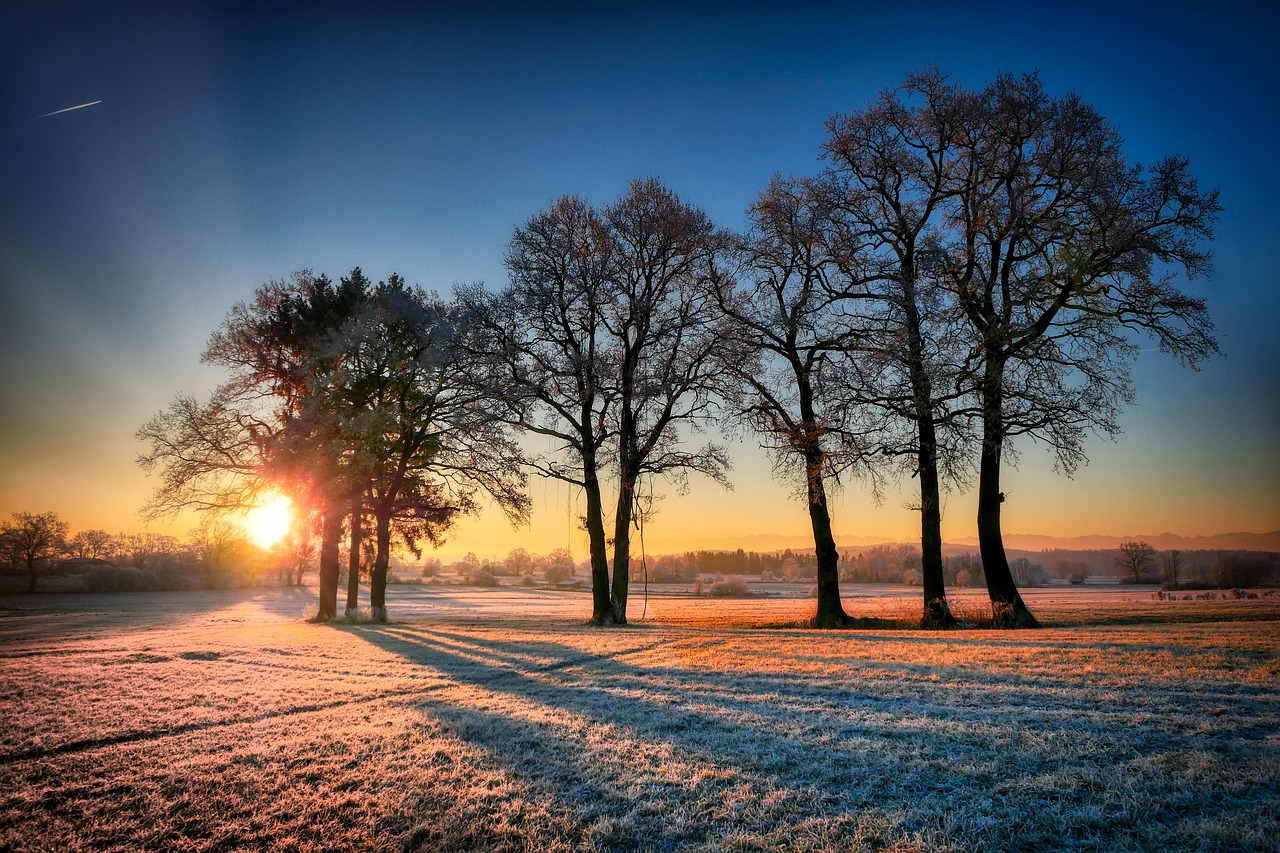
Spring may be here, but it’s dancing with us: one of those dances where it’s one step forward and one back. We’ve had days of sun and relative warmth, and days of sleet and snow flurries and a temperature hovering around freezing. Blue skies and grey, and on the ponds the ice melts a little, then freezes again, then melts a little.

A line of crabapples near one of the village ponds has been discovered by the robins. The winter-cured fruit is a deep purple-red, its sugars concentrated in the desiccated flesh. The robins love it. So do the starlings, whose starred plumage of winter is just beginning to show the iridescence of summer. On the nearby feeders, male goldfinches too are moulting, black and yellow replacing dun.

Where the snow has melted back from the field edges killdeer forage; I hear them before seeing them, their high, onomatopoeic call audible even from inside the car. At the confluence of the two rivers that shape my city, a lone male common merganser is grooming itself, twisting and splashing, ignoring the mallards and Canada geese and ring billed gulls surrounding it.  Later a single male bufflehead arrows in.

At the Arboretum there are bluebirds, always an early migrant, one song sparrow—and overhead, three tundra swans, brilliantly white against the blue sky. We’re not on their main flyway here, but every year a few come through; tundras, and more and more trumpeters every year, a reintroduction success.

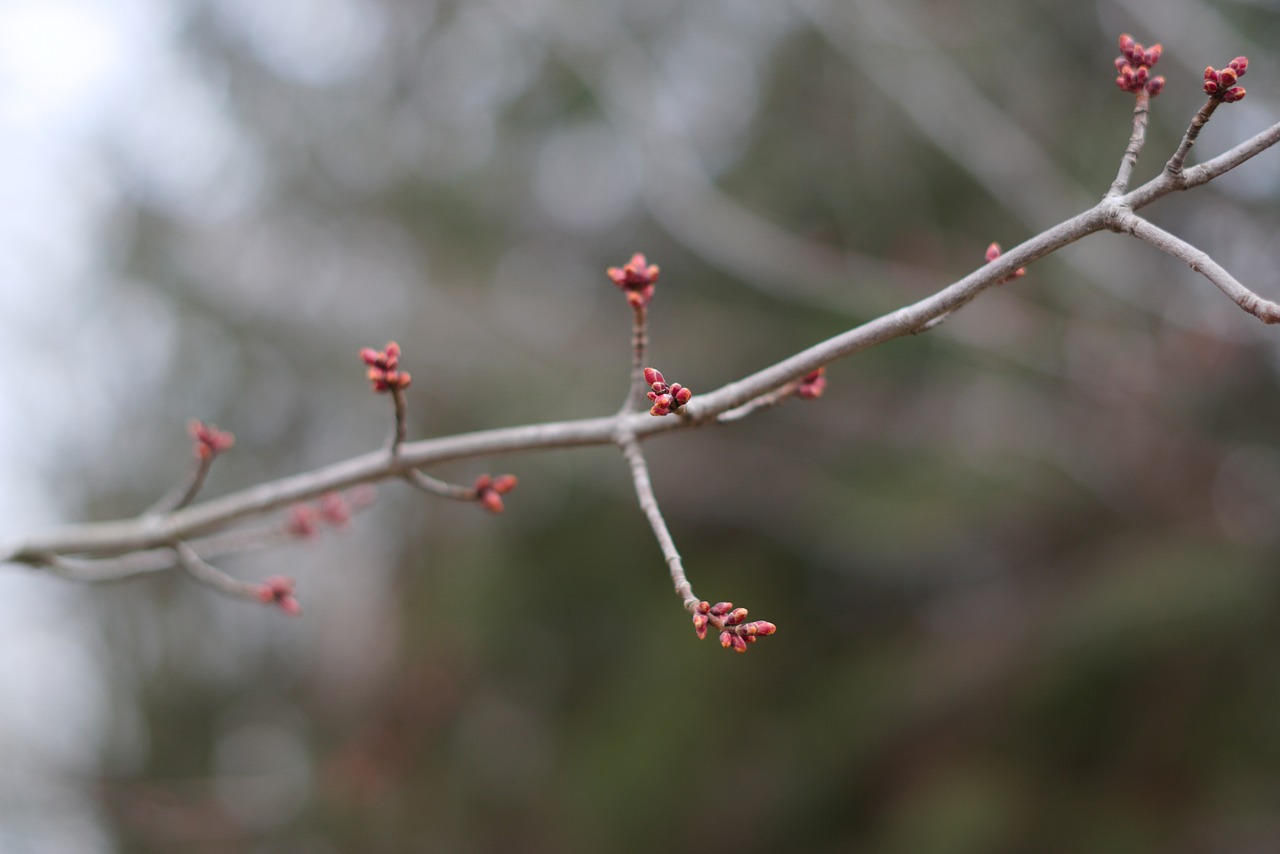
Outside the city, blue piping festoons stands of maple, and even on urban lawns trees have been tapped. The light lengthens, and in xylem and blood and earth, sap and hormones and the green spears of the first bulbs rise.

Equinoctial Thoughts

I left spring behind in England, missing the reported return of chiff-chaffs to Norfolk by two days. I’d heard of other migrants arriving—stone curlew to a secret site, for one—at the same time the last of the winter redwings were leaving, heading north. The blackthorn was in full flower, the local woods were full of primroses between the stiff green stalks of bluebells poking through the leaf litter, and the wood pigeons were courting in the garden.


Outside my window there is freshly fallen snow, on top of the several centimeters already on the ground. Tomorrow is the first official day of spring, and the forecast is for warmer weather, but also for more snow, falling in the cold nights.


But I will have a year of two springs. Already the turkey vultures are back, and the hooded mergansers; red-winged blackbirds buzz in the swamps and flocks of tundra swans whiten corn stubble fields a little further south and west. Sap is rising; maple syrup is being made.


Over the nine weeks I was in England I watched the field across the road go from stubble to fresh-ploughed soil, gulls and rooks following the tractor, to the hazy green of an emerging cereal. The belt of trees up on the hill changed colour subtly, the dull grey of winter overlaid with the golds and pinks and greens of swelling buds. The blackbirds and robins began singing earlier every day, and continued later.


It’s harder here in my suburban bungalow to watch the gradual shift into spring than it was in my edge-of-village house in England. But I intend to return to paying attention this year. Almost fifty years ago, the first serious writing I did was a journal of the coming of spring to my southern Ontario home, a project sadly interrupted by mononucleosis and a month of exhaustion. That too was from an edge-of-village, mostly rural setting. But I have easy access to woods and fields, rivers and parkland, and little excuse not to observe and record. A.E. Houseman wrote:

Now, of my threescore years and ten,
Twenty will not come again,
And take from seventy springs a score,
It only leaves me fifty more.

And since to look at things in bloom
Fifty springs are little room,
About the woodlands I will go
To see the cherry hung with snow.

A Shropshire Lad

Of my threescore years and ten, sixty-five will not come again. So I shall go look at things in bloom, and listen to birdsong, and watch the gradual transformation of a winter world.

Image by Noma Lotern from Pixabay 

Solstice Sacrifice

Image by Albrecht Fietz from Pixabay 

The woods were quiet, the first full day of winter. The occasional chickadee, mourning doves flying over. A grey day, no sun, and only the red of berries and dogwood stems to alleviate the greys and brown of wood and field.

And then another splash of red: blood, on the snow beside the path. I crouched to look. A squirrel, I think. Blood, and tufts of fur wavering in the light breeze, caught by crystals of ice. And a neat pile of guts. Nothing else. A fresh kill, not more than an hour or two old.

The path was tamped down by many feet, and the softer snow at the wood’s edge pocked with the tracks of dogs. In the grey light there were no shadows to give shape and depth to a set of prints leading away into the trees. No drops of blood or the marks left by dragged prey, either. Nor were there wing marks to suggest an owl or hawk, and the neat evisceration made that unlikely to my mind. There were, simply, not enough clues for my small store of woodcraft. Weasel, mink, fox, coyote—all these were candidates. I took a photo or two, and kept walking.

At home I turned to my computer for research. An hour later, I more-or-less had consensus, from the style of the kill, that the predator was a member of the Mustelidae – a weasel or mink. Both were possible: I’d seen a weasel only days before, and a mink shares the pond in Wild Goose Woods with the resident beaver. A pond that, as a mink moves, was perhaps 600 metres away.  

Today the woods and fields are in the grip of a blizzard, and mink and squirrels both are likely denned and quiet, conserving energy, the mink curled in its underground den, the squirrels in hollow trees. Fresh snow has covered the kill site. When I walk there again, after this storm has blown itself out in a day or two, there will be no sign of it.  

A predator taking prey is an everyday occurrence, repeated in one form or another multiple times across these 400 acres of semi-wild land where I walk and think and observe. Only the human need for pattern and meaning, for significance, made me see it, on the first day after the longest night, as a solstice sacrifice.

Winter Encounter

I woke today with a strong need to be out-of-doors, after yesterday’s freezing rain and snow kept me in. I wanted fields and trees, not concrete and houses. By 8:30 I was at the Arboretum.

The temperature hovered just around freezing: just above, because trees dripped water and the snow was slush in most places. I took the path through Wild Goose Woods, stopping often to listen: silence. Far in the distance crows called, and a V of Canada geese honked their way to feed in stubble fields somewhere to the south, but the woods themselves were quiet. No chickadees or nuthatches, not even a woodpecker.

The path was free of human footprints, but a fox had used it, not too much earlier from the crispness of the prints in the snow. Squirrel tracks crossed it here and there. I took the wide path to the beaver pond. So had the beaver, sometime in the night, from its trail, but there was no sign of it – or the mink that likes this place too– at the pond. I waited for a while, hoping for ripples in the patch of open water, but it stayed smooth. I moved on before my feet grew cold.

Out into the old field, and along the ecotone between woods and field. Still no human footprints, but a coyote – or two – had passed this way: I can’t tell coyote prints from dog, but coyote scat is usually distinctive, and this one had eaten a fair bit of fruit. Chickadees called, fast and urgent, from ahead of me: I wondered if they had found a small owl, but their behaviour didn’t back that up. They weren’t focused on one place, but moving between bushes, feeding, along with a junco and a downy woodpecker.

Far to the east a raven called, the deep gronk unmistakable. I came out through the rhododendron wood onto the wide roads, and people. But not many, and I left them behind as I returned to the paths.

Curving back towards where my car was parked, on a trail through old field and scattered shrubs, I was still birding by ear and looking at tracks in the snow. Because I was looking down, I saw the tiny white head poking out from cover at the edge of the path, the dark eyes in a pointed face, and the quick, fluid turn of the pure white body—and the black tip to its tail. A short-tailed weasel in winter moult.

Kalabaha1969, CC0, via Wikimedia Commons

I walked a few steps, crouched down to see its tiny prints in the snow. I’m sure the man who passed me then had no idea what I was smiling about, the gift just given, the grace granted. A moment and a memory.  

Acrobatic Accipiters

Cephas, CC BY-SA 3.0 https://creativecommons.org/licenses/by-sa/3.0, via Wikimedia Commons

Our bird feeders, caged to deter squirrels and greedy grackles, attract mostly finches and chickadees, both nuthatches of northeastern North America, and the occasional downy woodpecker, all small enough to slip between the crossbars of the cage.  The eat an expensive diet of hulled sunflower seeds, and so there are frequently no empty perches. The feeders are also on the hunting route of an accipiter. From it size and tail and the flatness of its head, I’d say it’s a Cooper’s Hawk, the medium-sized accipiter of North America.

Accipiters are wily hunters. They learned early in their interaction with settlers and their chickens to use buildings to spring surprise attacks on the free-ranging flocks, whipping around corners to pick off young birds and earning them the sobriquet ‘chicken hawk’. We saw this behaviour at our previous house, where the hawk would use the space between our house and the neighbours as a hidden route to the feeders, taking—at speed—a too-late-startled cardinal off the tray feeder before the bird had a chance to do more than launch itself into the air.

At this house, the first accipiter to find our feeders used a simple but crafty technique: swoop in and scatter the finches. One, panicked, would almost always hit the window or the patio doors. The hawk just picked the stunned bird out of the air as it fell, returning to the nearest tree to pluck it.

I’m not sure how often the hawk hunts at our feeders: I’m not in the living room that often during daylight hours. I wander into the kitchen to make coffee or tea, or empty the dishwasher, little movement breaks from my desk, and I’ll see the hawk once or twice most days. Most of the time it is unsuccessful in its attack, but every so often it takes a finch. I think we’re just one fly-through lane on its daily patrol of the neighbourhood feeders, a place for a quick snack to energize it before it goes after a larger meal of mourning dove somewhere else.

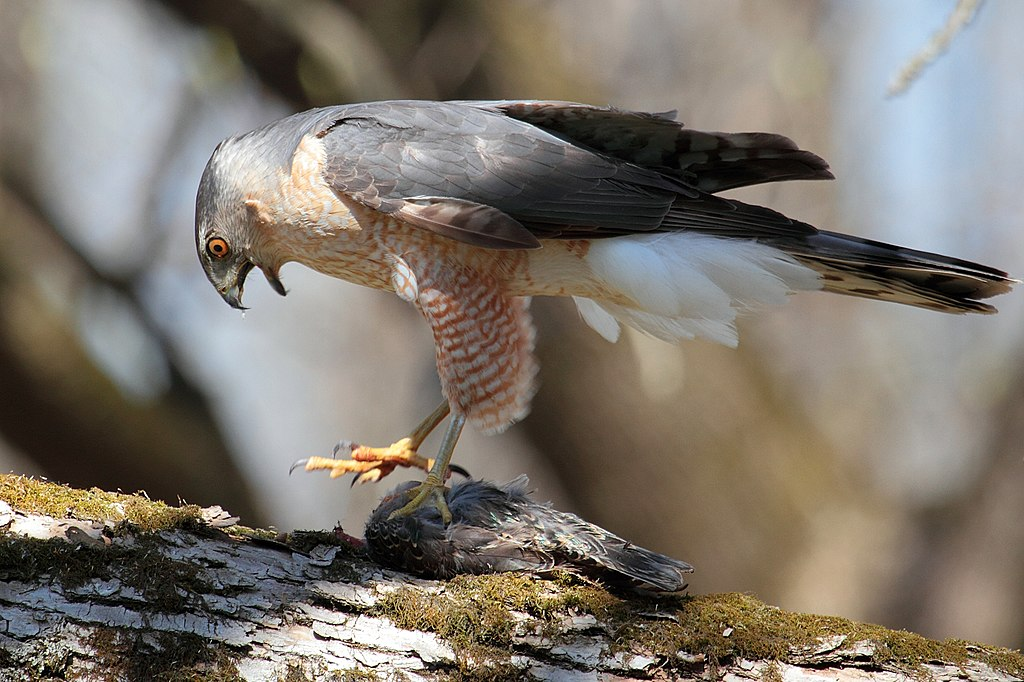
But how it gets that quick snack is something new to me. The caged feeder hangs from a tall pole. The hawk flies in low, turns upside down, and hooks its talons onto the bottom of the cage. Then it reaches in with one foot and pulls a goldfinch off its perch. It reminds me of the hunting technique of the gymnogene, or African harrier-hawk, which pulls nestlings and eggs from cavity nests with its talons.  Somehow, this particular southern Ontario Cooper’s Hawk has learned this is a successful technique.

I haven’t read or heard of other accipters doing this, but surely ‘our’ hawk isn’t unique?

Thirty-five Years Ago

The world was shades of copper and bronze, the sand of the desert glowing pink in the dawn light. Wisps of clouds over the mesas reflected the glow of the rising sun. It was already hot, the sky as it lightened a clear blue, the only sounds the rasp of ravens. Overhead, a long V of birds crossed the sky: not geese, long necks, long legs, birds the colour of the desert sands. We stood by our car in the Texas dawn and watched them fly south, heading for the Gulf of Mexico and their wintering grounds. Sandhill cranes, birds we’d never seen before, birds that the great American writer Aldo Leopold predicted would disappear: “the last crane will trumpet his farewell and spiral skyward….” (Marshland Elegy, 1937). In 1987, fifty years later, the populations had just begun to increase. We knew we were watching something special, something that could have been lost to the world forever.

Image by Jason Gillman from Pixabay 

We were there in Texas in November because in ten days, we were both due to be giving graduate student papers at the American Society of Agronomy conference in Atlanta. With our theses supervisors’ blessings, we had taken two weeks holiday prior to the conference, and had driven our Honda Civic, laden with camping gear, south. Two days of steady driving; on the third morning, we left the last green fields behind and drove into the vast deserts of southern Texas, a world completely alien then to us both, and filled with birds we’d never seen.

It seemed that November that we could barely drive a mile without stopping. The fences were full of sparrows; the cactus and sage full of wrens and thrashers. In a little wash along a highway somewhere we stopped to scramble down the side to see what might be found in the green scrub along the side of the tiny creek, and found our first wild turkeys. Bay-winged hawks (Harris’s hawk) or Swainson’s were on every utility pole, it seemed. At dusk of the same day that had started with sandhill cranes in the dawn, we stood at the Rio Grande, where it runs between huge, bare cliffs, and heard for the first time the haunting, sorrowful descent of the canyon wren’s song.

There were so many ‘firsts’. Some stand out without recourse to notes: the Say’s phoebe at the headquarters of Big Bend National Park; the vermilion flycatcher in a stand of cottonwoods in the same park. The “King-Kong-fisher” (the ringed kingfisher) at Bentsen-Rio Grande State Park, and the tiny green kingfisher on a creek at the Santa Margarita Ranch – a Spanish land-grant ranch, held in the same family from the years when Texas was part of Mexico, not the USA; to enter, you drove in, honked the horn, held up your binoculars, and paid the non-English-speaking old woman who came out from the ranch house two dollars. Green jays and plain chachalaca. Crested cara-cara. And from a boat, where as Canadian visitors we were given the best seats, the last flock of migratory whooping cranes in the world, wintering at Aransis.

Seeds were sown that trip; not just the seeds of birding further afield, but those of a love for cranes. From that first V of sandhills in the dawn, and the fragile tenacity of that flock of whooping cranes began my connection to these birds; birds of grassland and wetland, wanderers of the great plains of the world. The ‘Birds of Heaven’* would take me to the Platte River in March and the muskeg of Manitoba in July; to South Africa, to China, to the Norfolk Broads. Ten springs ago, just north of the tiny southern Ontario hamlet we lived in at the time, I stopped the car in wonder and joy: in a field of corn stubble, four sandhill cranes were feeding. I was looking, with tears in my eyes and my hands shaking, at birds not seen in my locale in the best part of a hundred years. Aldo Leopold was wrong, on this. I am thankful beyond words he was, and I believe he would have been, too.

The Birds of Heaven is the title of Peter Matthiessen’s beautiful book about his travels to see the cranes of the world.

A Long(ish) Walk

November 10th, and the forecast says warm and sunny. It is, I suspect, the last warm day of the year, and I’m not going to waste it. The wind gusts are forecast to be 35 – 40 kph, however, so it’s not a biking day. I decide, on the spur of the moment, to walk to Riverside Park along the river trails.

Brian joins me for the first part of the walk through the Arboretum to the Eramosa River trail. We follow the paths through Wild Goose Woods, then the old gravel pit and on to Victoria Woods. It’s quiet, aside from the drumming of a hairy woodpecker, the occasional chirp of a junco, and the familiar, cheery call of chickadees. We cross College Avenue, walk up the gravel road, and turn off onto the new Arboretum Side Trail that links the Arboretum trails with the river trail. Where it comes out on Victoria Road, just north of the bridge, we part company: Brian to walk the eastern trail section out to Stone Road, I to head west towards the confluence and the Boathouse.

Lots of dog walkers out, as usual, on this part of the trail. But good dogs, ignoring me. At Lyon Park I leave the river, cross York Road, and walk up through the Ward along Ontario Street to downtown. I’m cheating a little, not staying on the river, but it saves me a couple of kilometers—and anyhow, I like the Ward. We used to live here, and its eclectic mix of houses, old stores that are now houses (some with the signs, painted on the brick, still visible), big vegetable gardens, and old factories being converted to apartments still feels a bit like home.

St George’s bells are ringing ten o’clock when I reach downtown. I’ve been walking nearly two hours; it’s time for a coffee break. My favourite café is closed for renovations, so I choose another on the other side of St George’s Square and settle down with a café latte and an almond croissant. Not too long a break, though, or I’ll stiffen up.

So it’s not too long before I’m up and moving again. Down to Goldie’s Mill Park, and now I have a choice. The paved trail that parallels the railroad tracks out to Speedvale, or the Rapids Side Trail, a hiking trail that drops down to the banks of the Speed? It’ll be rougher, and a bit rugged in places…but it’s right at the river. If there are going to be birds anywhere, they’ll be at the river. I turn onto the blue-blazed side trail.

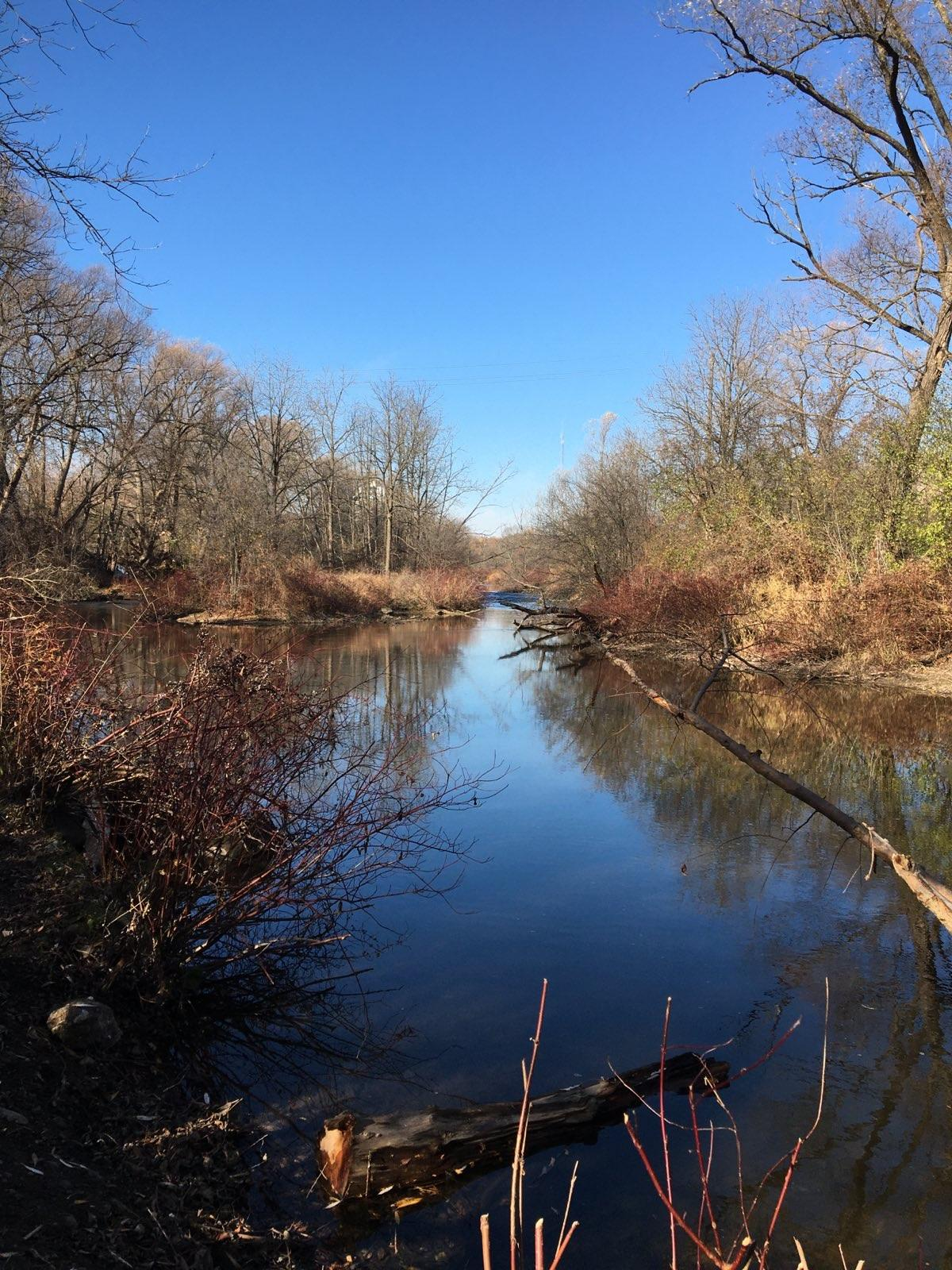
Speed River from the Rapids Side Trail

There are juncos and chickadees, and two squabbling downy woodpeckers, and a host of Canada geese and mallards on the river. It’s hard to believe I’m in the middle of Guelph. It’s a lot more interesting than the paved trail it parallels (as much as I like biking that one!) At a marshy area a few hundred meters before Speedvale, the path turns back to meet the paved trail.

I cross Speedvale in a break in the traffic, and now I’m in Riverside Park. Slowly, because my feet hurt by now, I walk along the bank of the river, looking at the gulls and waterfowl. There can be unusual ducks here, but not this year. I make my way up to the footbridge, cross the river, and find a bench to sit on for a while. I’ve walked about 10 km, on a whim.

But I take the bus home!

(P.S. -regardless of what Google Maps shows, it took me a bit over three hours, not including breaks.)

Drawing a Squirrel

It’s been five years and more since I wrote anything here. Two Simple Lives started out as a blog about early retirement, about learning to live with a (little) less, about appreciating the small things in life after a life of extensive birding travel. When I started it, my first book had just been published. When I stopped writing it, my second had just come out. For the last five years, most of my life’s been taken up, one way or the other, with being an author.

The seventh book comes out in six weeks. I loved writing it, the challenge of a difficult voice, the interweaving of two very different stories. And during the height of the pandemic, writing kept me centred and purposeful. I’m not about to stop: there’s one more book in the current series to write, and the glimmers of an idea for at least one after that.

But this week I made a list of all the things I’d like to do. It’s an eclectic list:  draw squirrels and birds and leaves (why squirrels?); write poetry again; look at maps; read a lot more; cook creatively. All things I used to do. On top of that, there’s no denying we’re living in challenging, difficult, times: the climate crisis; the erosion of human rights in every country; increasing intolerance and division; soaring inflation.  I feel a need to respond to these, even if it will be in small and local ways. (And without preaching about it, don’t worry.)

I tend to get restless every five to six years, wanting a change. Most of this year’s been spent working out what that change needs to be. What it came down to (I think – only trying it out will tell) is that I don’t want to be a writer with a few snatched moments for other interests on the side: I want to be the birder/walker/biker/artist/landscape historian who also writes books. Which is who I was, before.

I make sense of my world through words (except when it’s maps, but that’s a different subject), so I must write – just less fiction for a while, and more observations and thought. For those of you who want that last book of Lena’s story – it’ll come. Just a bit more slowly, probably.

I hope some of you enjoy what ends up on this blog, although that’s not why I’m writing it. Book reviews and articles related to writing will remain over at marianlthorpe.com.  

And now, I’m going to go draw a squirrel.

Image by Peace,love,happiness from Pixabay