What are the odds? ONE resolution for 2024.
As 2024 approaches, my ‘finish by the end of the year’ list is just about manageable. My ‘to do in January’ list is—umm—a little packed. More so than it should be, but it’s so I can take February off completely and go birding in Spain and Portugal.

Except…I have a book coming out in February: Empire’s Passing, the eighth and last of my Empire’s Legacy series. But it isn’t a standalone, and if people who’ve read the others don’t find out it’s out for a few weeks, frankly, so what?  Books don’t go bad. My nine-year-old first book, Empire’s Daughter, still sells steadily. There would have been I time I would have worried about not being present online for Passing’s release. That time is past.

I’m making one New Year’s resolution this year: to stop overachieving. This past year is a blur. I spent three months nearly 6000K away from home, dealing with the funeral and settling the estate of a cousin, learning to navigate a new legal and tax system, clearing the house, selling the house. And writing a book, because I had promised it would be out, and I was going to honour that promise.

 I also wrote five short stories, four for an on-line magazine (of which I am also the webmaster) and one for an anthology. And edited three other books. And chaired and edited our community newsletter, co-coordinated a writing group, read and reviewed a number of books for a book tour company, drove a van with my niece’s furniture to Nova Scotia, took a cousin on a ten-day driving holiday, developed and ran two full day planning sessions for a community group, gave a guest lecture in Philadelphia, kept up (well, sort of) with my two blogs and my newsletter, and tried to maintain some sort of social media presence. While attempting to learn Spanish, volunteering for another community writer’s group, and doing in-person book sales and open mic nights. Are you tired yet?  I am.  And not just from this year.

2014 – a decade ago, nearly– was a watershed year for me: a year in which I was diagnosed with Stage 3, high-grade cancer. It was also the year in which my publisher went out of business, the rights to Empire’s Daughter reverting back to me. In that year of surgery, radiation, and chemotherapy, I got Daughter ready for self-publication (I wasn’t going to spend another two years querying again – I didn’t know if I HAD another two years). While renovating the house, driving myself back and forth to radiation (an 80 k round trip, five days a week, for five weeks), and doing almost all the grocery shopping and cooking.  Are you rolling your eyes yet? But I was determined. Life went on as close to normal as it could, I learned to create an epub, and then format a paperback, and navigate KDP.

Two weeks after my chemo ended, we flew to Texas to go birding. Then I went back to work for a short time, and took official retirement, as did my husband, on the 15th of May. The next day, we flew to England for a month. Then we came home, bought a new house in town, and put the country one up for sale. My father had died (at almost 99) that winter of my treatments, and I helped (a bit) with clearing that house, as well as packing up our own,

We moved. I started volunteering with the community newsletter, and with a local writing group. I started the next book, and a blog, and then another one. I walked a lot, biked, and birded. I started editing and formatting books for others, and began a small imprint that has now published my own eight books and five for other people. We went to England in the winter to walk and bird. I took a lot of on-line university courses, on Roman and medieval history, and on landscape archaeology.  I read a lot of books, and wrote a few more. They were short-listed for and/or won a bunch of awards, which was nice.

We travelled, a lot: Australia, Fiji, New Caledonia. The Caribbean – ten islands in ten days, or close to it, for birds. Japan, Taiwan, Mongolia, for the snow leopard I thought I’d never see. Rome, for me, for research. And always England, for ten weeks or so each January to March.

One year I flew back from England for four days for my brother’s funeral, a too-quick, too-young death from cancer. Then I went back, and kept writing, and walking, and birding, because that’s what I do, and came home and kept on doing what it is I do here, too. You don’t waste second chances, and I got one. My brother didn’t.

And then came COVID, and the world changed. I wrote more books, of course. Social media became more important, just to talk to people and make connections. Zoom became part of my life: the community newsletter meetings, the writing group meetings, even family. Until this year.

Maybe a younger person, or a better organized one, could have juggled things better. Maybe I should have just admitted I’m 65 years old and I don’t have the physical or mental energy I once had. And it did all get done – the newsletter and writing group meetings done across time zones 5 hours apart; the newsletter layouts done and PDFs made and emailed for printing; the social media posts scheduled, the Amazon ads planned and monitored. Books were read and reviewed. Short stories were written. The English estate was settled, the house sold, the legacies distributed. Empire’s Passing was finished, and beta read, and edited (and edited and edited) and formatted. Maps got drawn. I even went birding, and wrote some blog posts, and did all the other things I listed in the fourth paragraph.

But I’m tired, as I said. It’s enough. It’s more than enough. I’ve proven, mostly to myself, that I could do what I always wanted to, and write good books, and the series is done. I’m not planning to stop, but I am going to slow down. (My husband is laughing, by the way. He doesn’t believe me.) More reading. More photography, maybe a return to some artwork and some poetry. Things I’ve neglected. Less productivity. Fewer social media posts, probably fewer blog posts. Some new learning, and some ‘getting to know you’ stories about new characters. Longer walks. A slower life.

Think I can do it?

Image by Gordon Johnson from Pixabay

December Diary II: At the Turning of the Year.

Six days past the solstice, and the daylight lasts a minute longer than it did on that shortest day. We’re still in the period when the change is barely perceptible. It won’t be until early January that the gain will rise to over a minute a day. It feels almost as if the world has paused.

Maybe it’s this sense of stopped time, at the darkest time of the year, that drives so many people to be frantically social, an atavistic response. Safety in numbers, safety in the lights inside and out, presents given and feasts offered to strengthen social bonds.

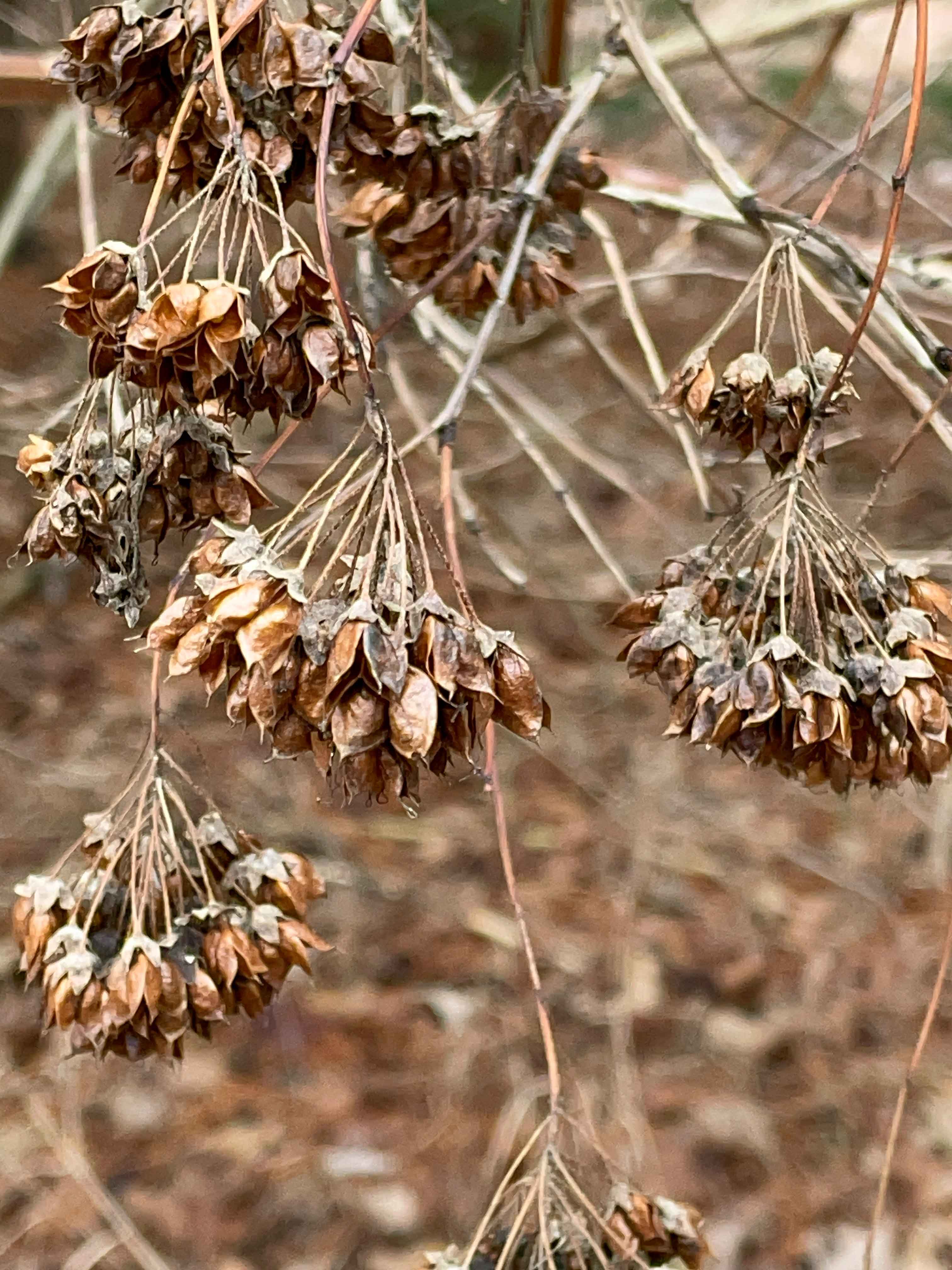
In nature, it’s a time to be wrapped up tight, if possible. It’s not been cold enough this year for mammals to be curled up asleep in dens or dreys; squirrels are still out foraging, the beavers are still cutting down trees. But most insects are dormant, and seeds wait for spring, on or under the soil, or wrapped in a protective layer of cells soft or hard: berries, cones, shells.

The last few days have been either raining or foggy. Red squirrels seemed annoyed by the weather, scolding at me with more vigour than usual. Smaller birds fed almost constantly: juncos among the grasses; starlings on the berry bushes; pine siskins at the cones. In Wild Goose Woods the drum of a pileated woodpecker searching for insects echoed against bare trunks. Only the crows were apparently unperturbed by the damp.

When I first saw the crows, I thought there were two, huddled together in the fog on the top of a glasshouse frame. Two became three, and three became four. They hopped around a bit, made a few conversational caws. And then they took off, all four of them, with purpose and wild, angry calls, to intercept a raven flying by.

They twisted. It dived. They followed. It ascended. They spiraled upward, still shouting. The spinning, sinusoidal dance repeated three times, until the raven had had enough. It arrowed away, the crows following for a few meters. Then they turned almost as one, and flew leisurely back to perch again, a gang of ruffians causing havoc just for fun.

The raven flew east. As I will be, in just over a week, east and 9 degrees of latitude further north. Where the daylight is an hour less than it is here…but for the three paradoxical months where, here, the hours of sun are longer but the air is colder and the world swathed beneath snow, it will be warmer. There are already snowdrops out, and on fields and in woodland and on mudflats and beaches, the northern birds that have come south to Norfolk from Scandinavia are feeding. Pink footed geese and redwings, shore larks and snow buntings. Godwits and redshanks, and, in numbers beyond counting, golden plover and red knots and oystercatchers on the bare mud of the Wash.

January 27, 2023

The Shepherd

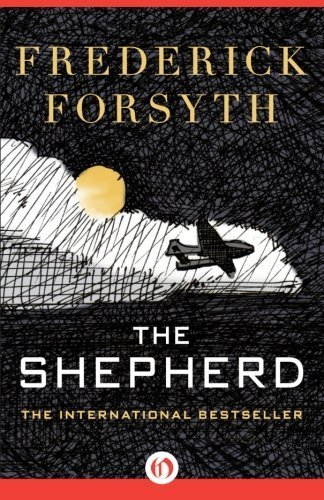
Lost Aviator Coffee was started a few years ago by two pandemic-grounded pilots. They occupy a small repurposed space in the Ward, an originally working-class, primarily Italian-immigrant, section of Guelph. I used to live in the Ward, in a tiny post WWI bungalow. It was the first place we looked for houses when we returned to Guelph. It’s not where we ended up, but I still bike through it almost every day of biking weather, and Lost Aviator is where I buy my ground coffee. Their holiday blend – ‘The Shepherd’ – is what took me there originally.

The seasonal blend isn’t named for the story of the shepherds who saw a star, but for a much newer story: Frederick Forsyth’s The Shepherd, a story that’s been part of my midwinter celebrations for most of my adult life. In the Victorian tradition, it’s a Christmas ghost story: a post WWII tale of a young pilot flying at night in fog across the North Sea, his fuel down to fumes, his instruments useless – and the impossible rescue that ensues.

It’s a classic story, its writing spare, perfectly paced, understated. Every Christmas Eve – its setting – we light the fire, turn off the lights, and listen to the audio version produced many years ago by the Canadian Broadcasting Corporation, read by the man who was, for many years, the co-host of As it Happens, the CBC’s national evening current affairs program: Alan Maitland. He was also my godfather.

Not that I really knew him; he’d been a friend of my parents, but had moved away to do greater things at CBC-Toronto than he could accomplish in the little CBC station in Windsor, I suppose. Nor did he do the ‘godfathery’ things some people in that role do. But I do remember meeting him at least once, and so that tenuous connection was there. But ‘Fireside Al’ read a lot of stories on the CBC over the years, and The Shepherd is the only one I listen to, for another, much less tenuous (now) connection. The Shepherd is set over the flat fields of Norfolk – and Norfolk is my second home, a place I know and love. (It was also home to more WWII airfields than any other county of the UK, due to both its proximity to Europe and its flatness.)

There’s not a central point to this little essay, really, except that it’s about connections. Were we playing the ‘six degrees of separation’ game, the folks at Lost Aviator could claim a three-point connection to Alan Maitland — and perhaps a four-point to Frederick Forsyth, if my godfather ever met him. (I wouldn’t be surprised if he had.) In naming their holiday blend after Forstyth’s story, they gained a regular customer. Little things that bring people together, make connections across time and space, from the power of words and imagination: from the power of stories. Which, as the 11th Doctor said, is all any of are, in the end. So make it a good one.

December Diary 1

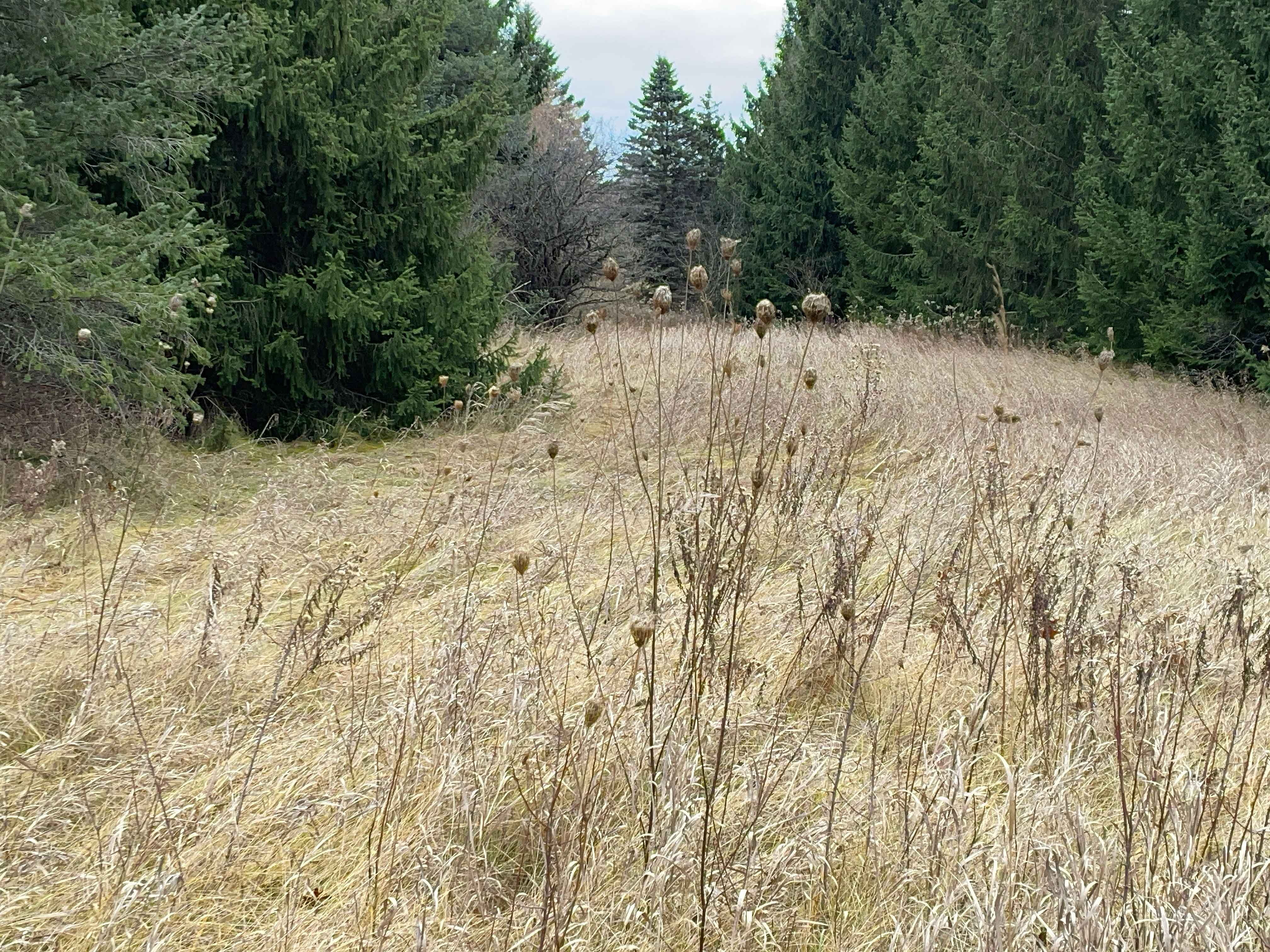
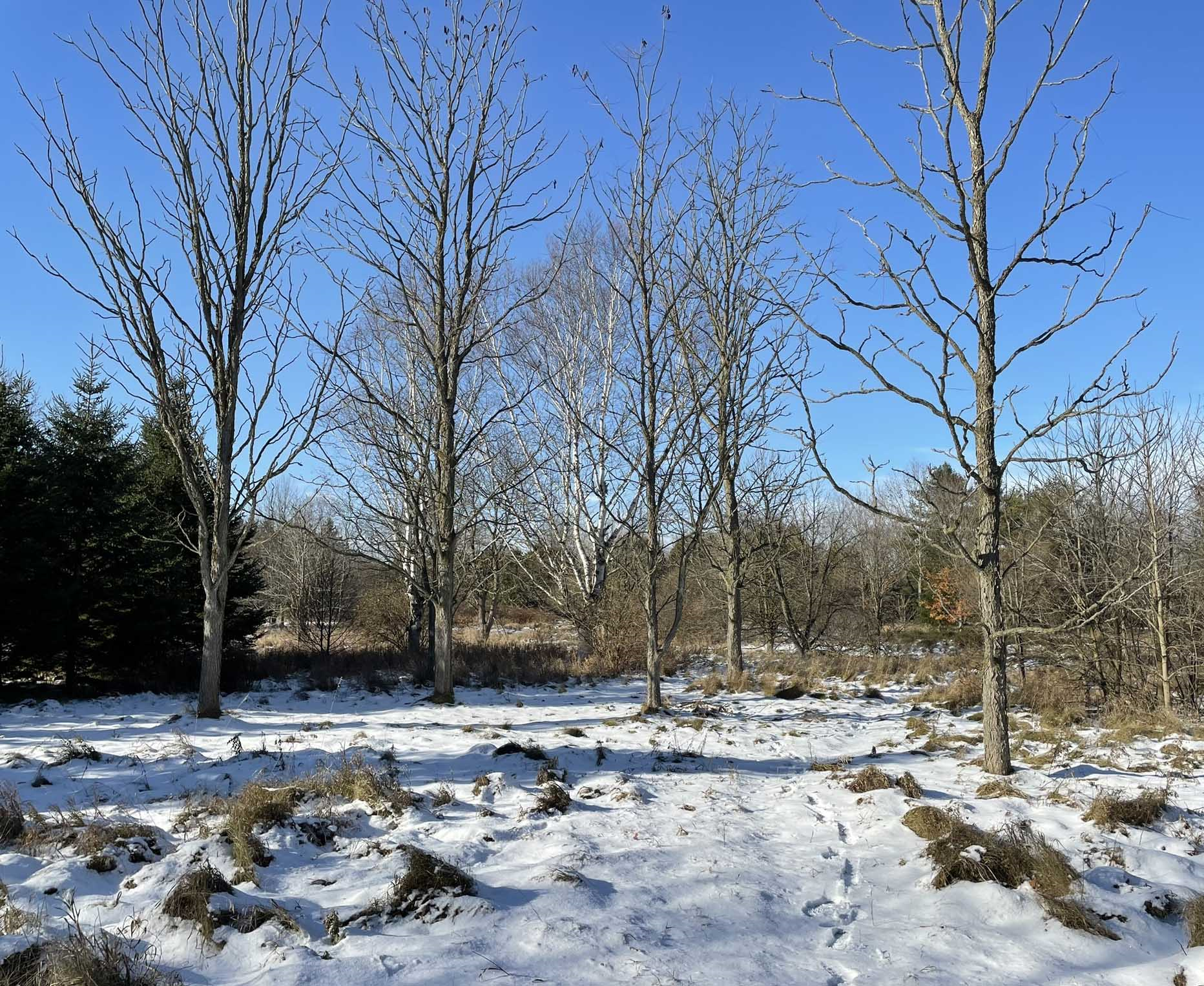
University of Guelph Arboretum: first week of December.

Fifty-four years ago, this place where I walk and bird was officially designated as the University’s arboretum. The land, home first to the Haudenosaunee, Anishinaabe and Attawandaron peoples, and later part of the three million acres ceded to the crown by the Mississauga of the New Credit’s Between the Lakes Purchase Treaty, No. 3, had been farmed since the 1850s by the Hamilton family. In 1910, they sold the farm to the Ontario Agricultural College as a research farm.

Traces of this use still remain: a collapsed stone wall – likely dating from the Hamiltons’ years, the old post-and-wire fence lines: these are the most obvious. But other relics are being claimed by the wild, hidden among the trees and shrubs: the gate on the path that used to be a farm road; a cart, left at the side of a field and forgotten; a roller. The metal rusting into the soil, the rubber breaking down, aided by sunlight and bacteria, slowly, slowly.

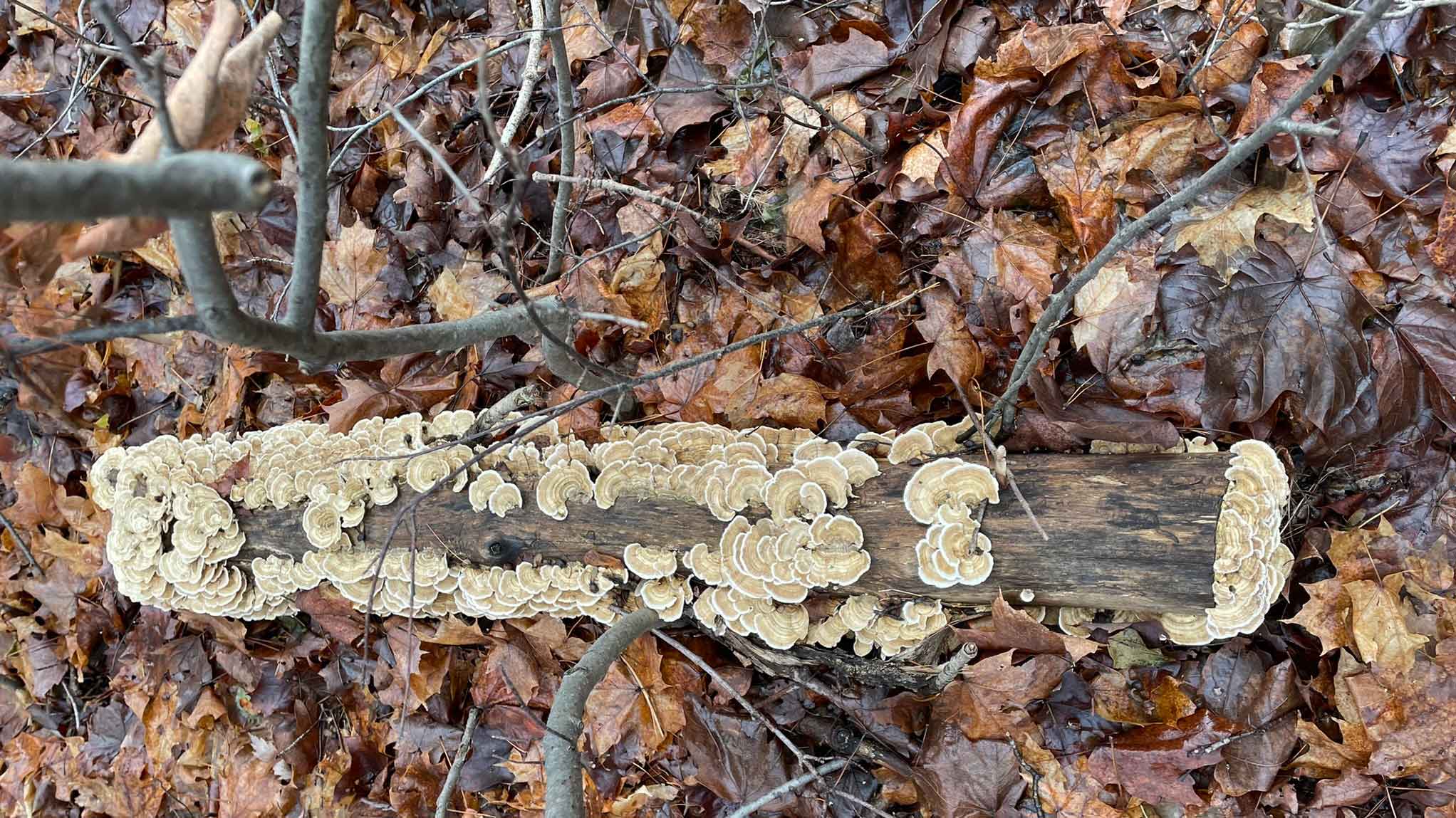
In these shortening days of December, the fecundity of summer gone and the world laid bare, the processes of decay—a word loaded with negative meanings—are on display. Saprophytes are working their necessary transformation on wood both fallen and standing; unlike the brief fruiting bodies of mushrooms that appear in the autumn, these fungi aren’t ephemeral. They spread along trunks and across fallen logs, lines and layers of living tesserae, rippled and curved.

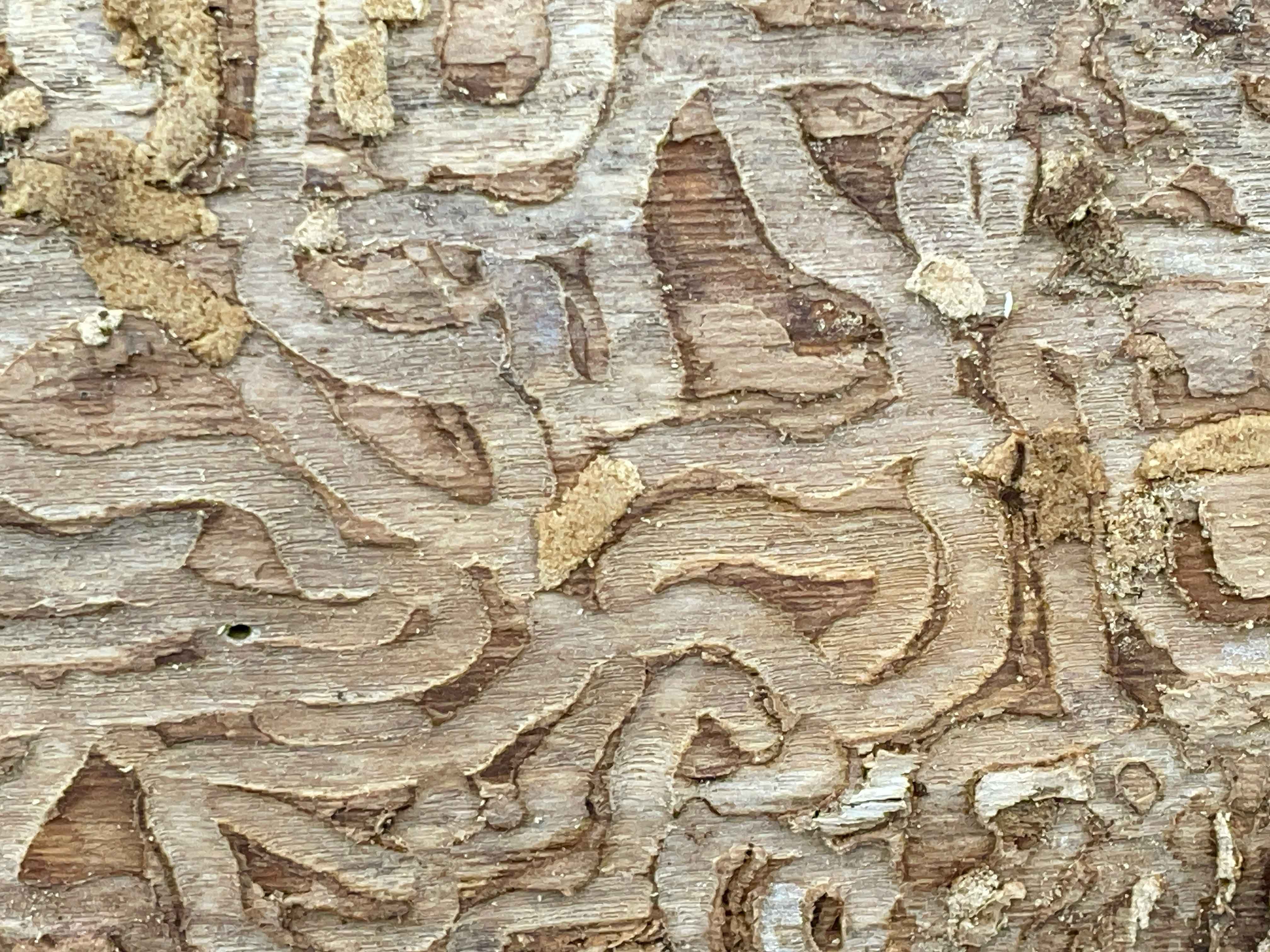
Hidden behind bark—until it loosens and falls—bark beetles create mazes of intertwining paths on the phloem, a traced, random, undecipherable writing, telling a tale of slow death for the tree, life for the beetle. The Janus-faced interdependence of life and death. 

The next ten days will have less and less daylight, until the world turns again and midwinter’s darkness begins to oh-so-gradually give way. But longer days won’t ease the cold and snow for many weeks. Will the young red-tailed hawk who has learned to catch squirrels survive when they’re sleeping deep in their dreys? Blood will stain the snow; scattered feathers tell their tales; trees will be stripped of berries. Curled together in their lodge, surrounded by the ice of Wild Goose pond, the beavers will sleep.

November Diary – last day of the month.

November 30: University of Guelph Arboretum.

Snow squalls, or, rather, the high winds associated with snow squalls kept me close to home for a few days. But the last day of November dawned still and sunny, with morning temperatures just above freezing.

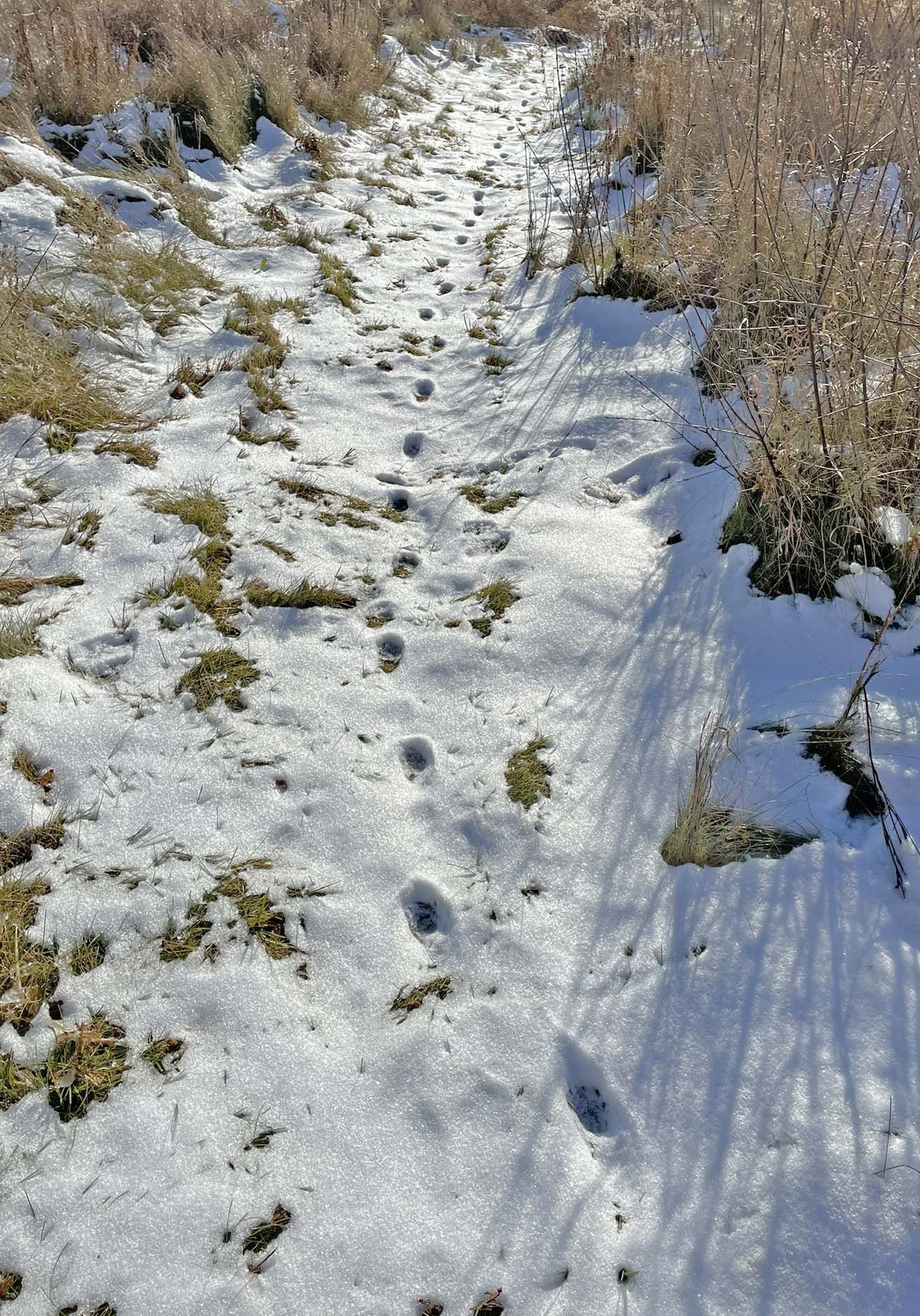
The Arboretum was quiet, but snow tells tales. Many bootprints, one set of ski tracks, lots of dogs. But there were also canid prints on paths where no human had walked :

Coyote on the left, the prints slightly offset; fox on the right, the prints a straight line. (I think.)

That woodpile I thought would have many creatures using it for shelter?

One set of squirrel tracks.

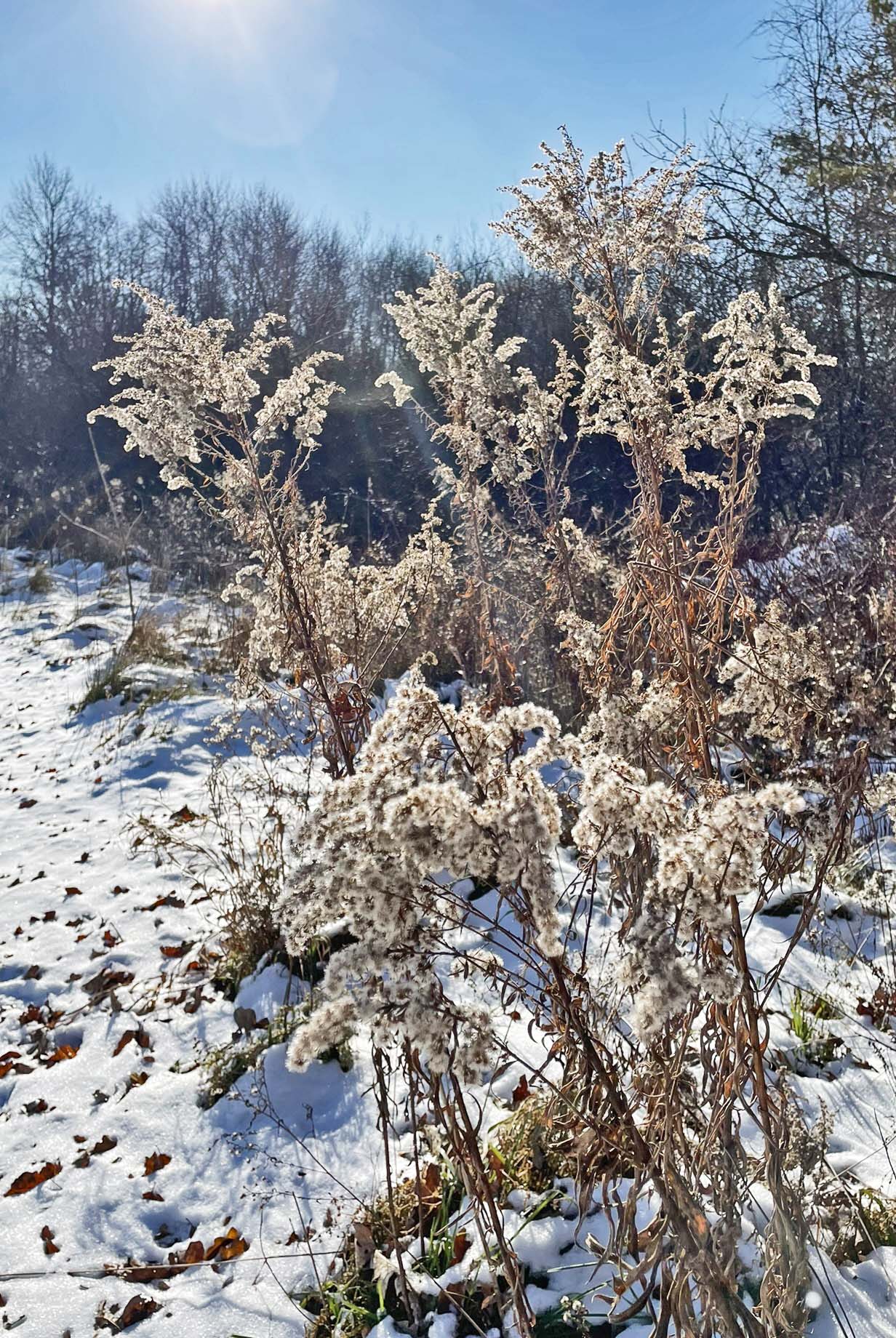
But the day had other compensations.

December tomorrow, and the beginning of meteorological winter. A month where I need the quiet and space of the Arboretum and other natural areas more than usual, to escape the world, which, in the weeks leading up to Christmas, is definitely ‘too much with us…getting and spending…’ I will, instead, go in search (in Annie Dillard’s words) of the ‘unwrapped gifts and free surprises’ waiting for me in the fields and woods.